Ardh Kumbh 2027 Haridwar: Complete Travel, Stay & Pilgrimage Guide
The Ardh Kumbh 2027 Haridwar runs for 97 days, from Makar Sankranti on 14 January to Chaitra Purnima on 20 April 2027. It starts in the cold of a north Indian winter, when the Ganga is clear and green and the mornings are foggy, and ends in the warm days of Baisakhi. Most people come for one of the ten bathing days listed above, and nearly everyone wants the same thing: a dip at Har Ki Pauri without spending half the night in a queue or a traffic jam.
This guide answers the questions our Haridwar desk hears every day — which snan to choose, how to reach, where to stay, how to move around when the roads close, and what to see between baths. It is written by our team in Haridwar, where Pulp Hotels is based.
What Is the Ardh Kumbh, and Why Haridwar?
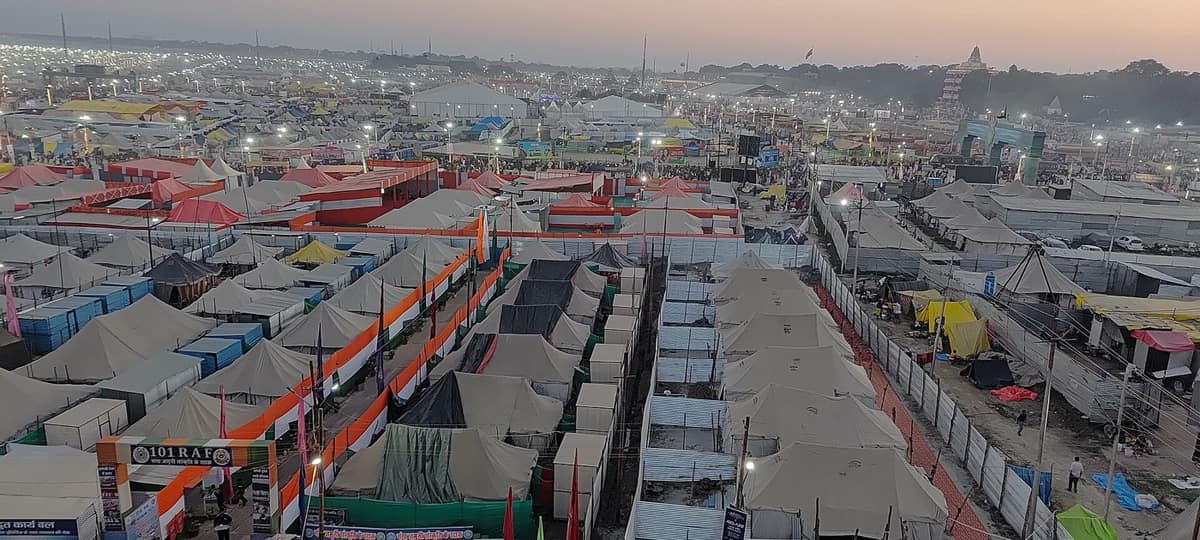
Haridwar is one of the four Kumbh cities. A full Kumbh is held here every twelve years, when Jupiter is in Kumbh rashi (Aquarius) and the Sun enters Mesh (Aries); an Ardh — "half" — Kumbh falls six years after each one. The last full Kumbh was in 2021 and the last Ardh Kumbh in 2016. For 2027 the Uttarakhand government is preparing on the scale of a full Kumbh, with the akharas, Amrit Snans and a tent city along both banks of the Ganga.
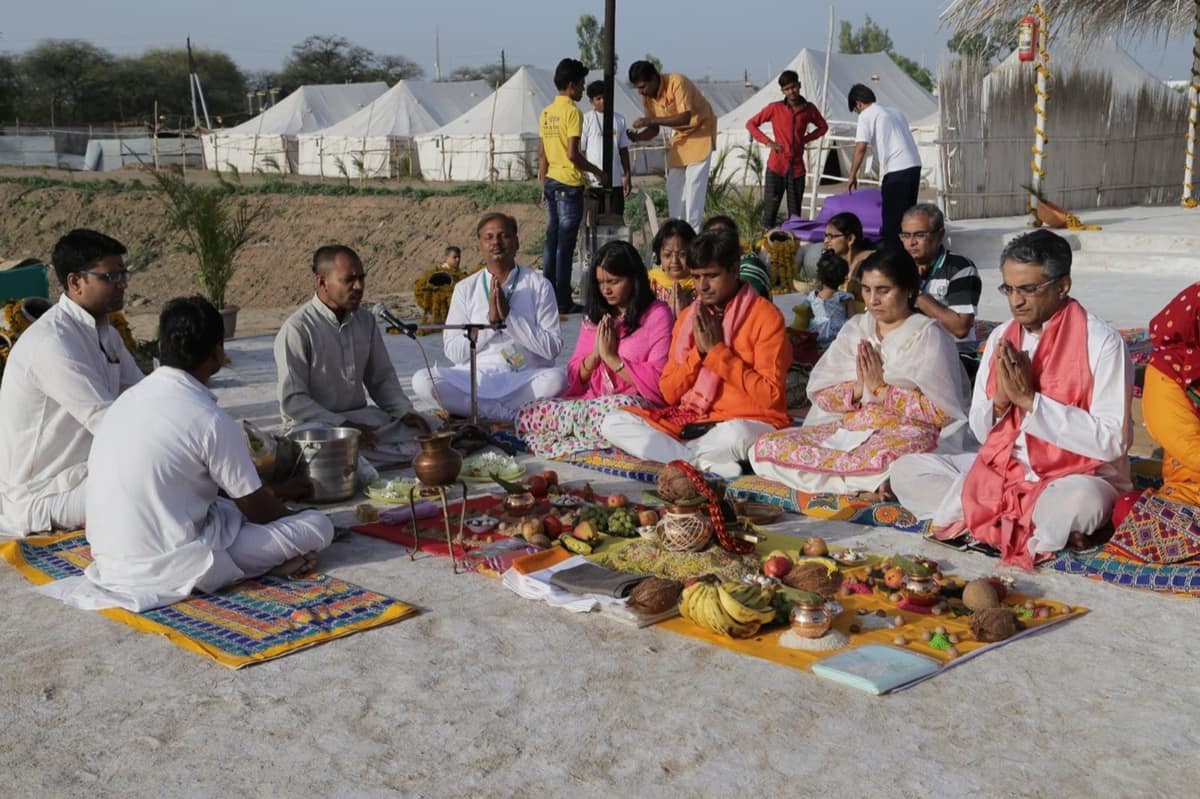
The tradition holds that a drop of amrit from the Samudra Manthan fell at Brahma Kundat Har Ki Pauri — "the steps of Hari" — which is why that one stretch of ghat is the heart of every Haridwar Kumbh. Haridwar is also where the Ganga leaves the Himalaya for the plains, the gateway to the Char Dham, and the town where families have come for generations for asthi visarjan, pind daan and mundan. During the Kumbh all of that happens at once.
Amrit Snan Days: Which One Should You Choose?
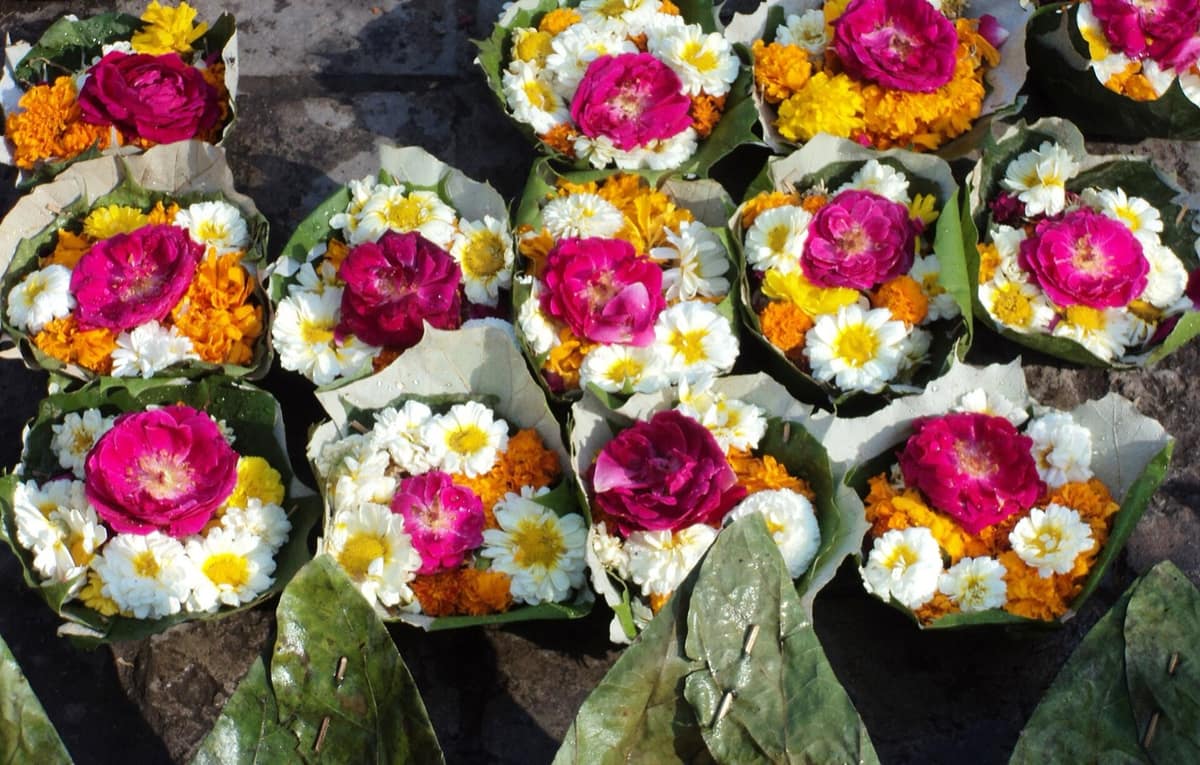
The three Amrit Snans — 6 March (Maha Shivratri), 8 March and 14 April 2027 (Mesh Sankranti / Baisakhi) — are the days the akharas process to Har Ki Pauri in a fixed order. They are spectacular and they are the most crowded days of the mela; the ghat is reserved for the akharas for hours, and pilgrims bathe before or after them at the other ghats.
- For the full spectacle: an Amrit Snan, with a stay you can walk from.
- For elders and small children: a non-Amrit bathing day such as Basant Panchami (11 February) or Magh Purnima (20 February), or any ordinary weekday.
- For a long stay: come in late January or February, when the camps are settled and the weather is crisp but dry.
The full list of ten bathing days is in the snan dates table on this page.
Where Is the Haridwar Kumbh Held?
The mela stretches far beyond Har Ki Pauri. The Kumbh area runs along the Ganga from Kankhal in the south to Rishikesh in the north, with sectors on both banks.
Har Ki Pauri and Brahma Kund
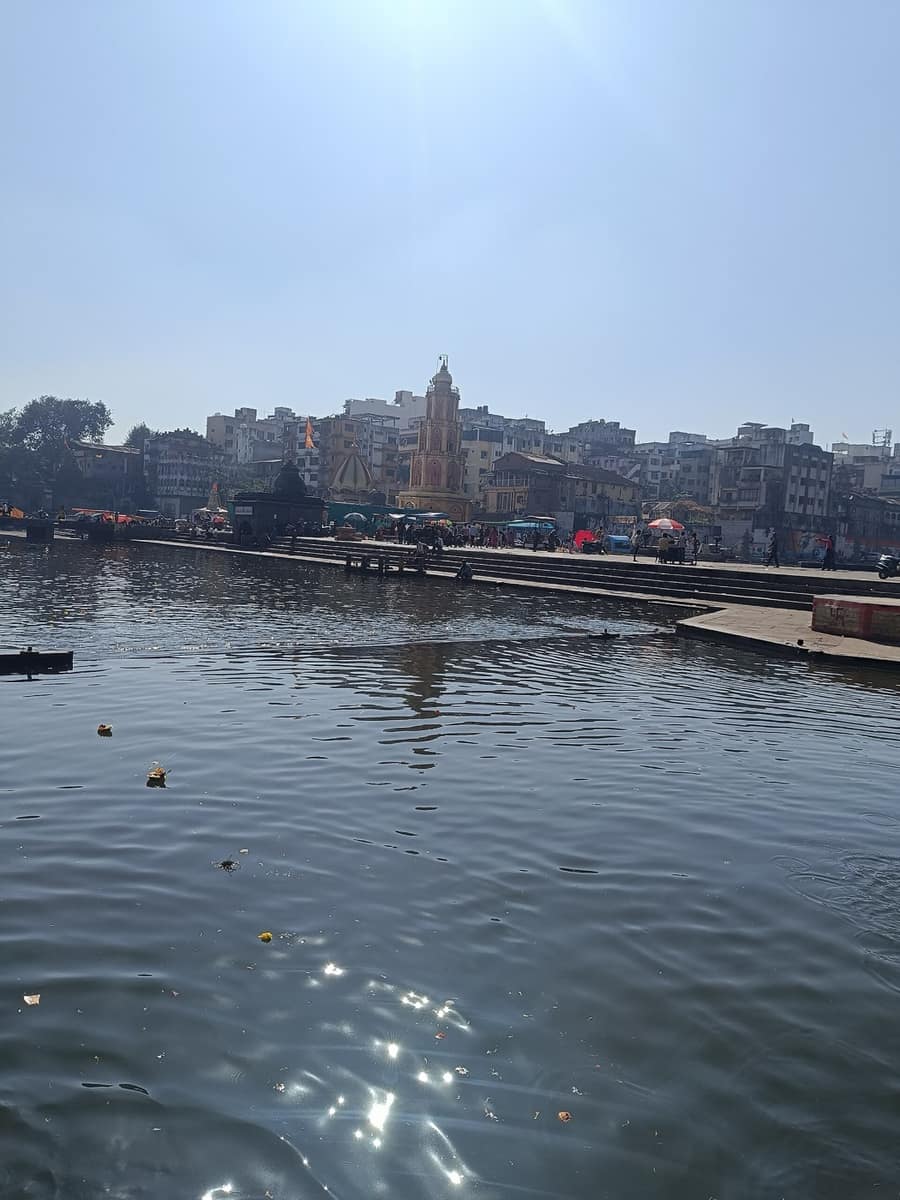
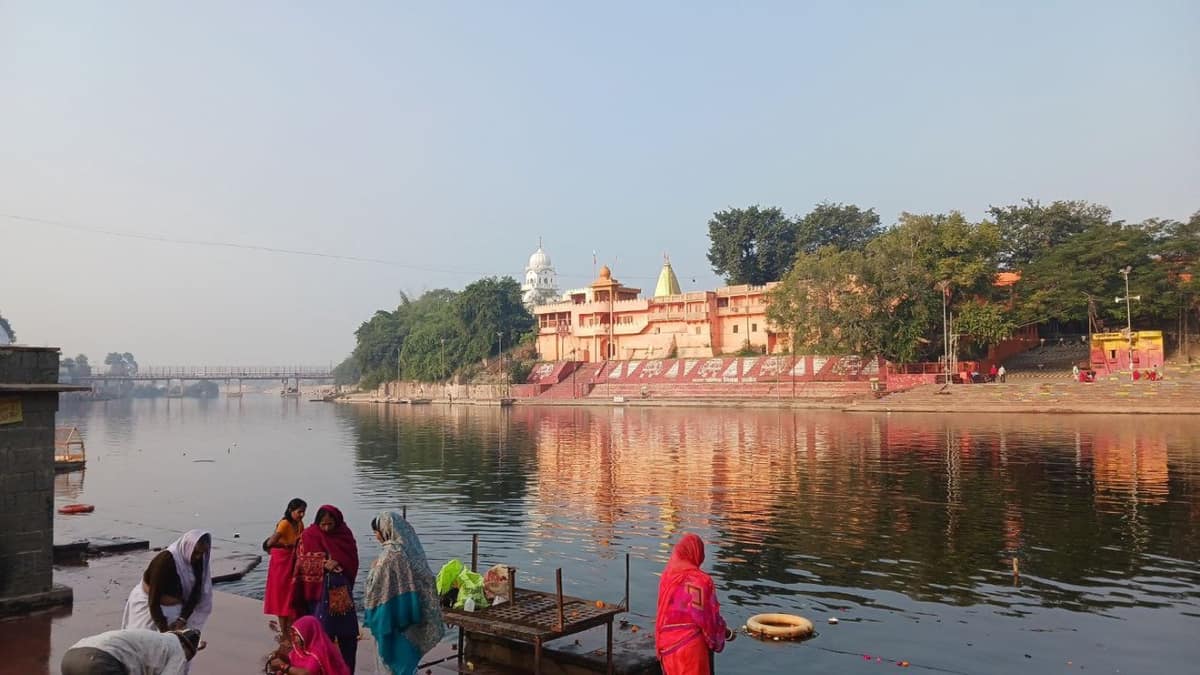
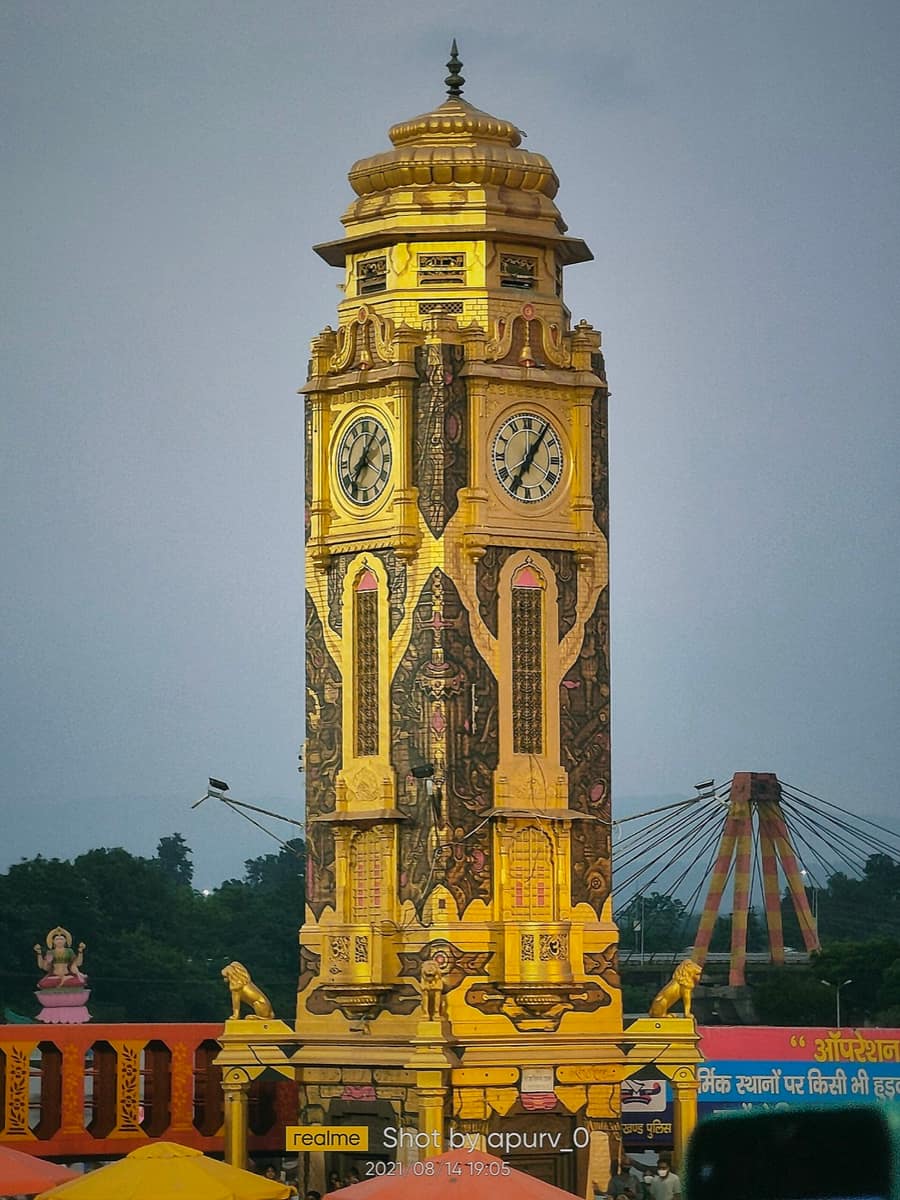
The main ghat, with the clock tower and the evening aarti. On Amrit Snan days it belongs to the akharas first. On other days it is busy but manageable before 7 a.m.
The other ghats
Dozens of ghats line the river and the canal on either side of Har Ki Pauri, and the mela administration builds new ones for each Kumbh. Bathing at any of them during the Kumbh counts the same in tradition — the river is the same Ganga. Ghats in Kankhal and on the Neel Dhara side are far calmer on big days.
Bairagi Camp, Neel Dhara and Daksh Dweep
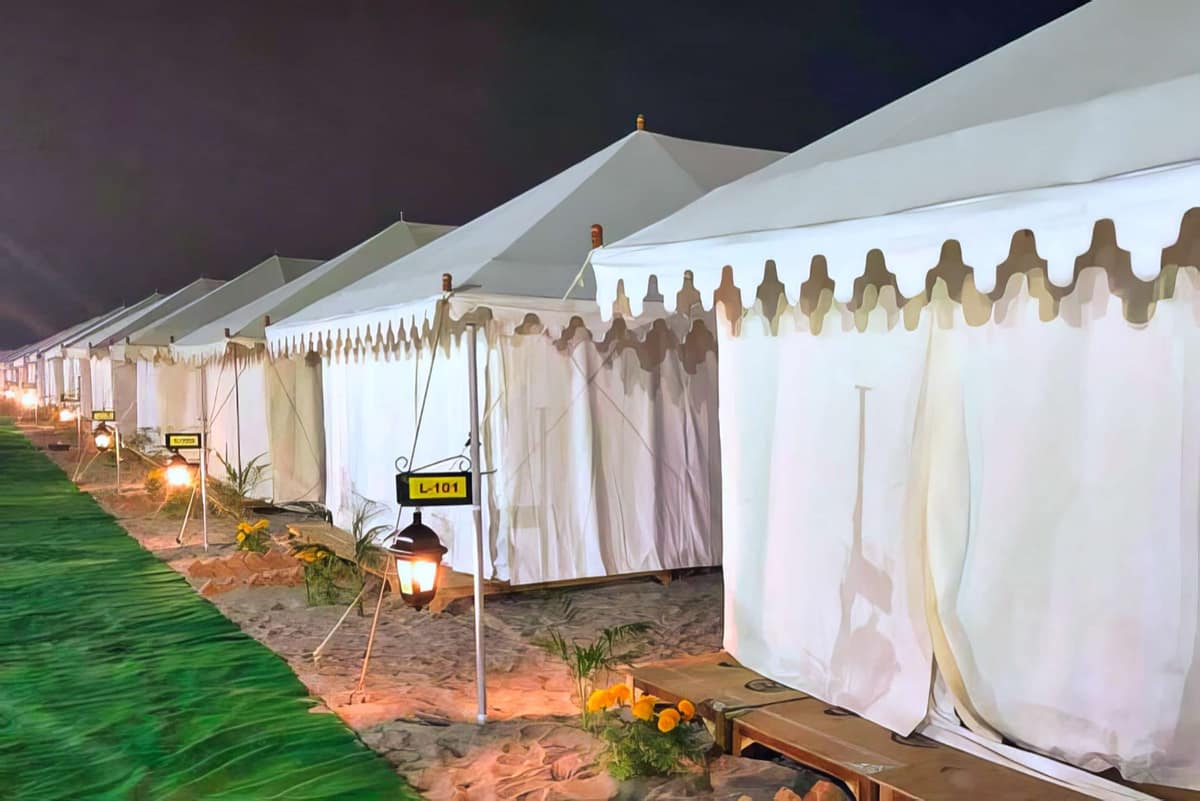
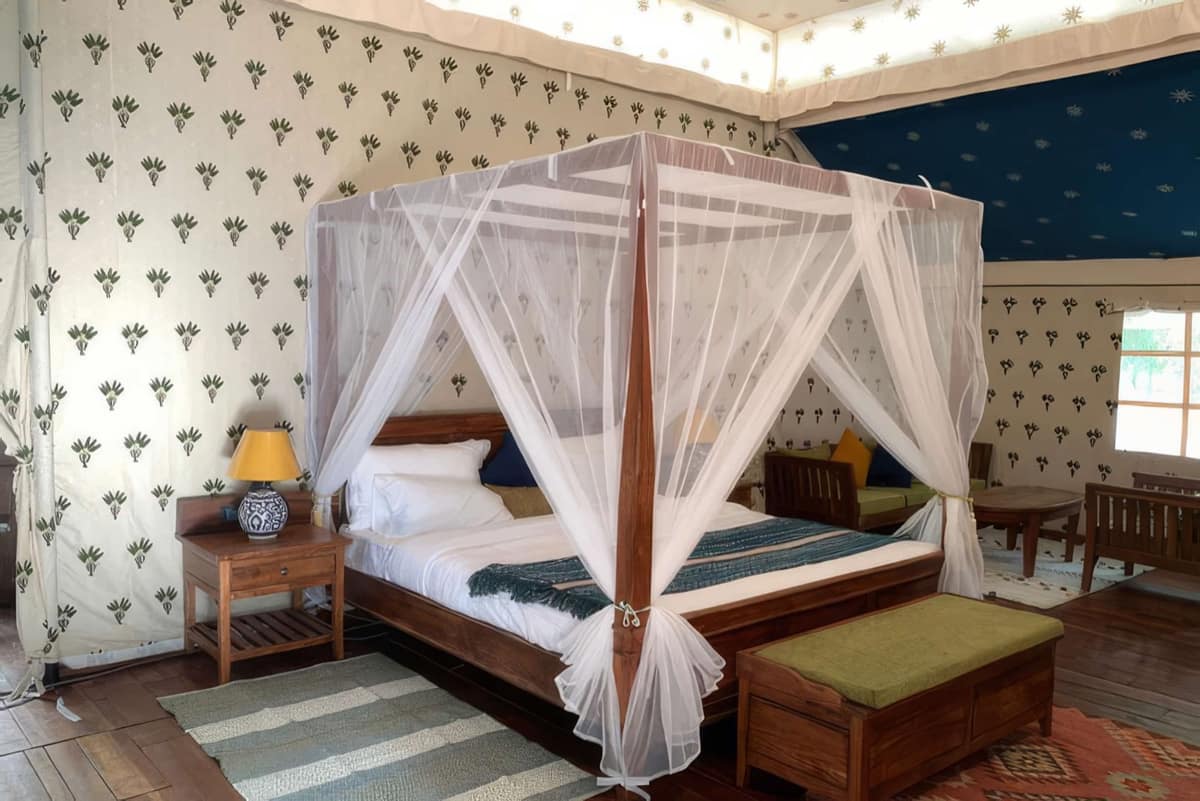
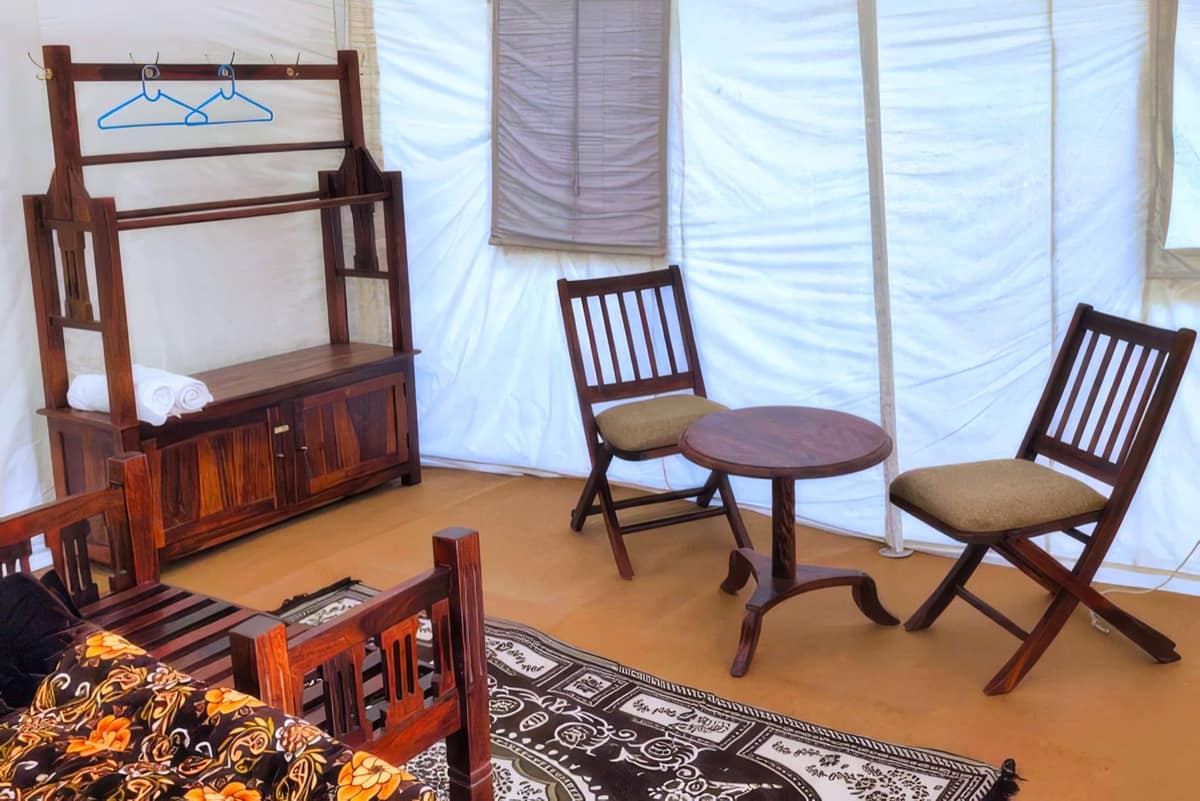
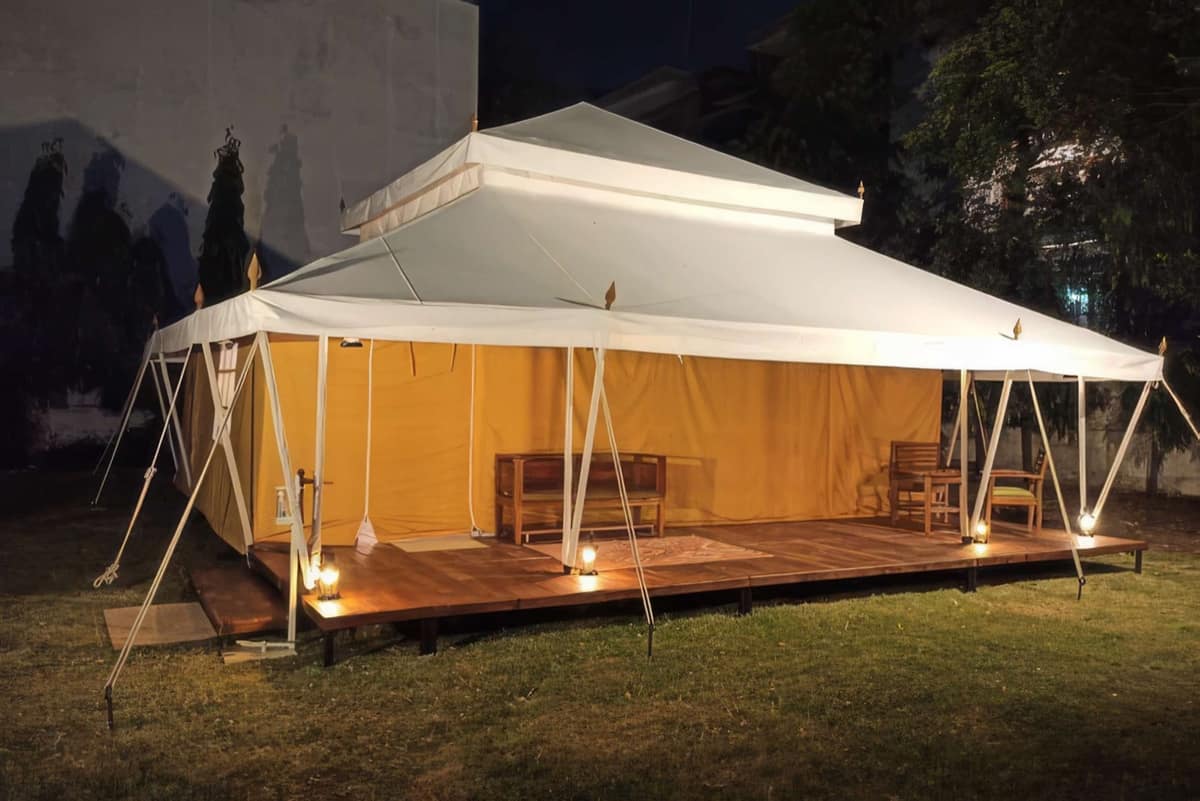
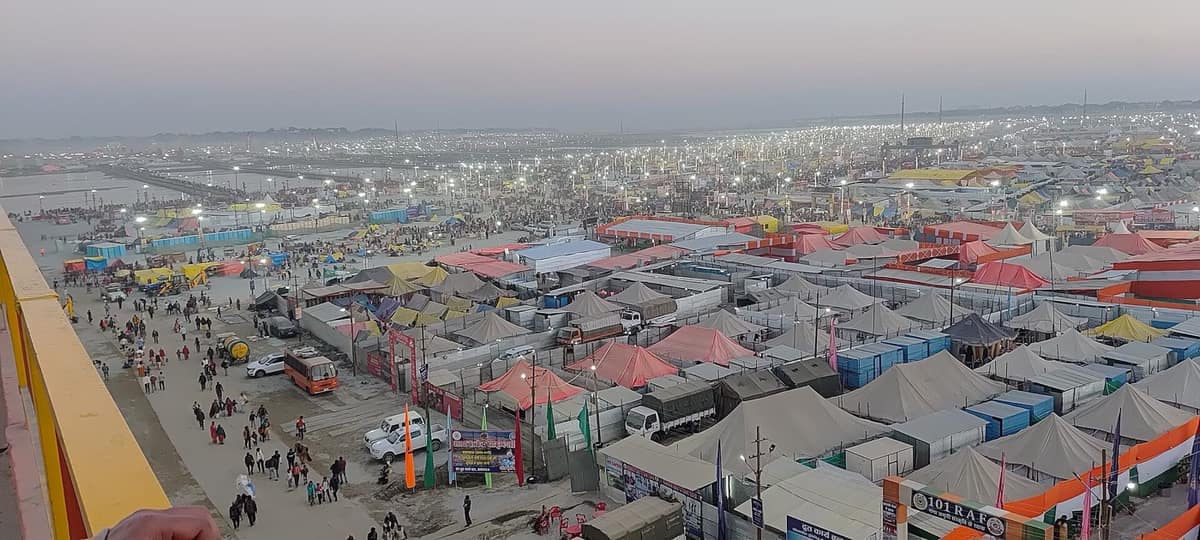
These are the tent-city areas. Bairagi Camp is where the Vaishnav akharas and Kalpwasis settle; Neel Dhara is the main channel of the Ganga across from Har Ki Pauri, below Chandi Devi; Daksh Dweep in Kankhal sits by the Daksh Mahadev temple and the Kumbh parking. Our Bairagi Camp, Neel Dhara and Daksh Dweep camps are in these areas, and our Rishikesh camp sits at the northern end of the Kumbh corridor.
How to Reach Haridwar for the Kumbh
By Air
The nearest airport is Jolly Grant (Dehradun), roughly 35–40 km from Haridwar — about an hour by taxi on a normal day. It has direct flights from Delhi, Mumbai, Bengaluru and other cities. In January, morning fog can delay flights, so keep a margin before any snan.
By Train
Haridwar Junction has direct trains from Delhi (the Shatabdi takes about four and a half hours), Mumbai, Kolkata, Varanasi, Amritsar and many more. Indian Railways usually adds Kumbh special trains and temporary platforms. Book the day the reservation window opens, and expect winter fog delays on the Delhi line.
By Road
Delhi is about 220 km away — five to six hours by car or Volvo bus outside the mela days. Chandigarh, Dehradun and Rishikesh are all well connected. During the Kumbh, outside vehicles are routed to designated parking areas on the edges of the city and shuttle buses run inward; on Amrit Snan days the parking moves even further out.
Getting Around During the Kumbh
Inside the city, e-rickshaws and Vikrams (shared autos) work on ordinary days. On the big days, the stretch around Har Ki Pauri is a no-vehicle zone, bridges are made one-way, and the police hold crowds in batches. Plan to walk — often two or three kilometres each way if you are staying outside the old city. This is why the walk from your bed to the ghat matters more than anything else you book.
Where to Stay During the Ardh Kumbh 2027 Haridwar
Haridwar has thousands of rooms, and almost all of them are full on the bathing days. This table shows the main areas and roughly how far each is from Har Ki Pauri.
| Area | Good for | Distance to Har Ki Pauri |
|---|---|---|
| Har Ki Pauri / Upper Road / old city | Walking to Brahma Kund before dawn | 0–1 km |
| Neel Dhara (across the Ganga) | Camps facing Har Ki Pauri, quieter nights | 1–2 km |
| Bhupatwala / Sapt Rishi | Ashrams and dharamshalas on the Rishikesh road | 3–6 km |
| Kankhal / Daksh Dweep | Old temples, Kumbh parking, family stays | 3–5 km |
| Haridwar station / Jwalapur | Train arrivals, budget hotels | 3–6 km |
| Ranipur / BHEL / Shivalik Nagar | Newer hotels, easier driving | 7–10 km |
| Rishikesh | Ashrams, yoga, Triveni Ghat | about 25 km |
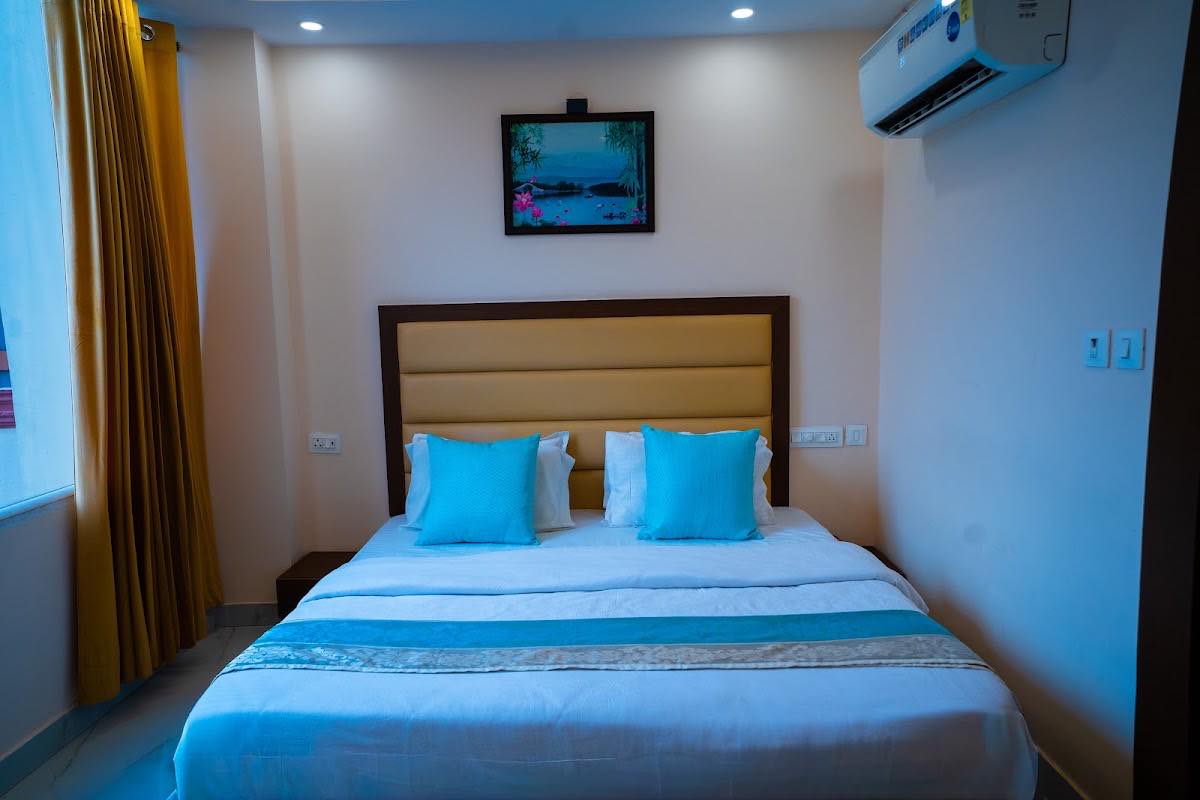
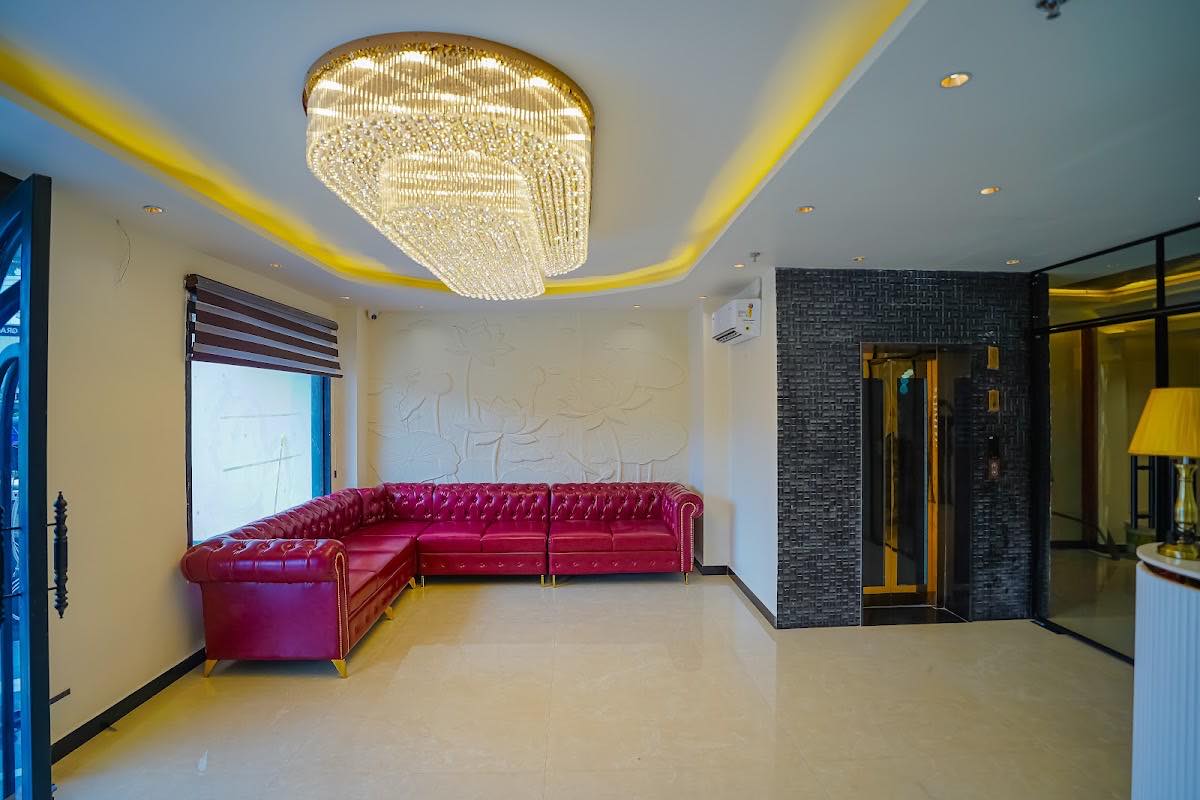
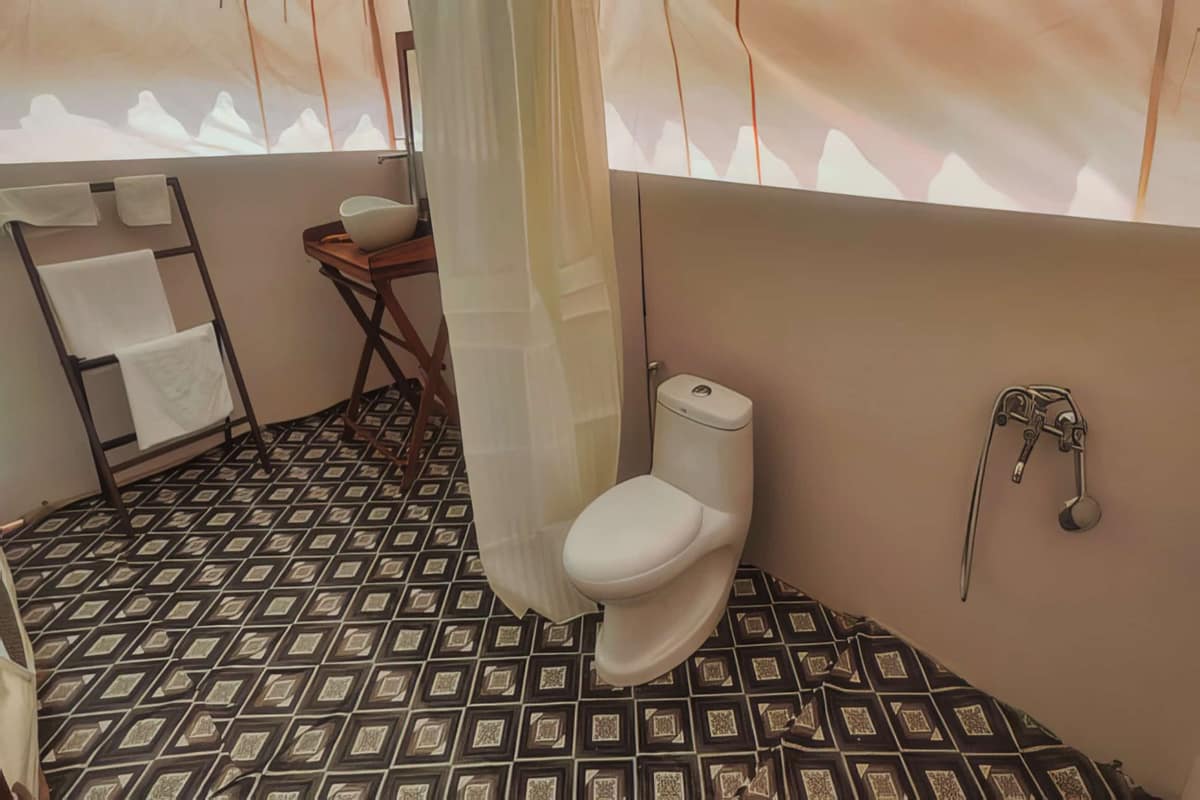
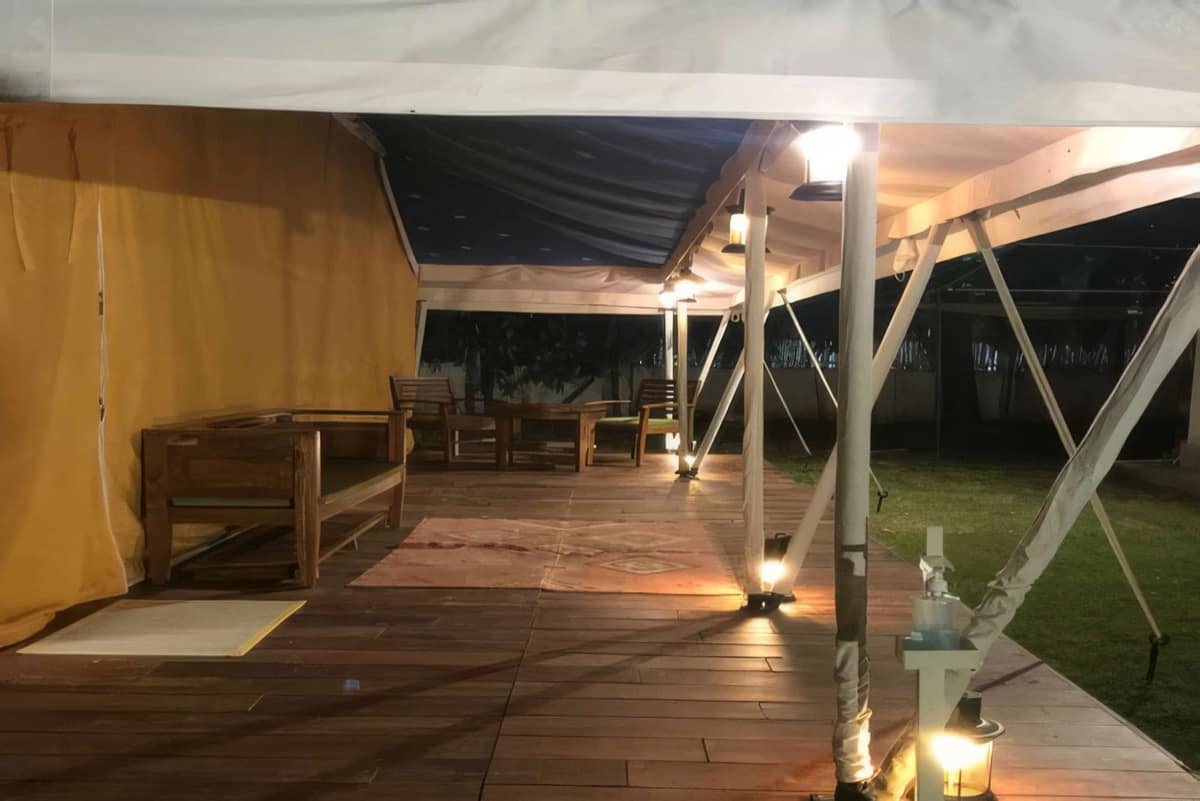
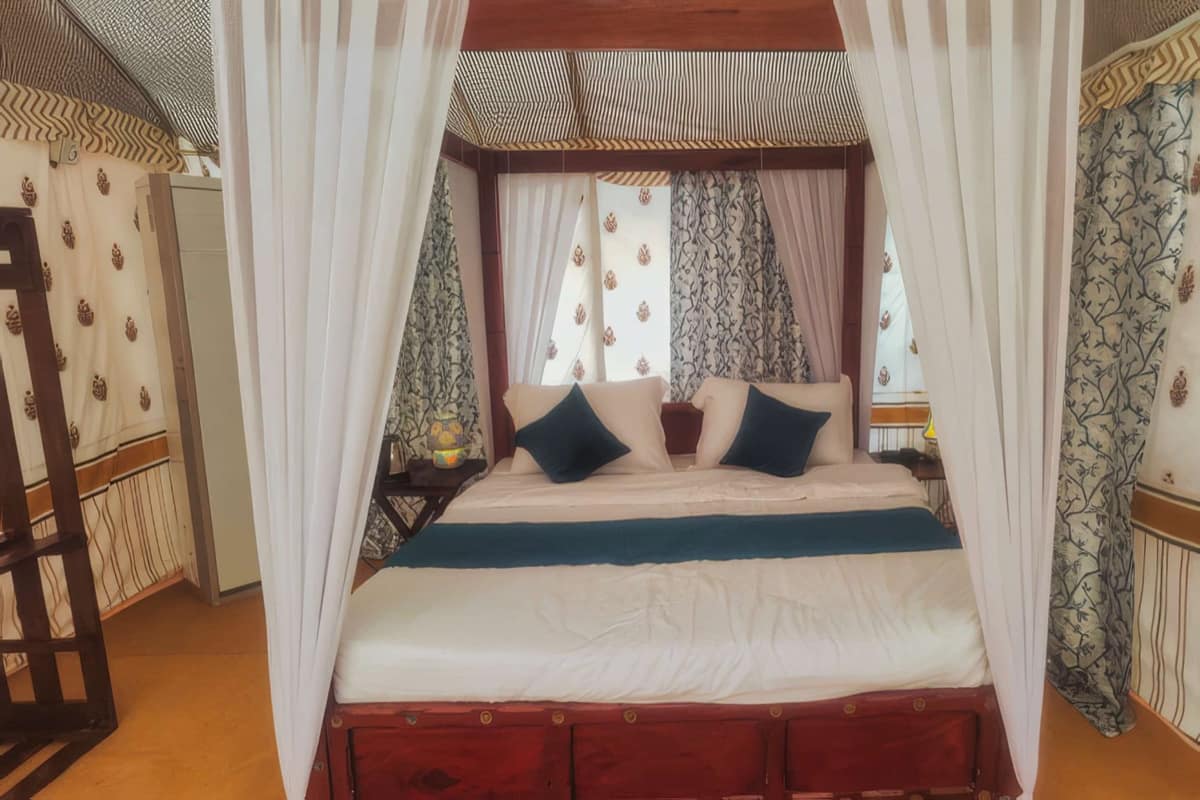
For one Amrit Snan, stay within walking distance: a hotel in the old city, a camp at Neel Dhara or Bairagi Camp, or an ashram on the ghat side. For a week or more, Kankhal and the Bhupatwala ashram belt are calmer and better value. Families who need lifts and room heaters often choose a hotel near Har Ki Pauri for the snan night and a camp for the rest of the trip. Our guide to camp or hotel in Haridwar compares the two.
Book three months ahead for Makar Sankranti, Mauni Amavasya and the Amrit Snans. The desk also holds blocks of rooms and tents for groups — yatra parties, satsang mandalis and extended families.
Places to Visit Around Haridwar
Mansa Devi and Chandi Devi
Two hilltop temples of the Devi on either side of the Ganga — Mansa Devi on Bilwa Parvat above Har Ki Pauri, Chandi Devi on Neel Parvat across the river. Both have ropeways; during the Kumbh the queues are long, so go early.
Maya Devi and Daksh Mahadev
Maya Devi, the presiding goddess of Haridwar, is near Har Ki Pauri. The Daksh Mahadev temple in Kankhal marks the place of King Daksha's yagya in the story of Sati — and Kankhal's old lanes of havelis and ashrams are worth an unhurried walk.
Bharat Mata Mandir and the ashrams
The eight-storey Bharat Mata Mandir stands in the Sapt Rishi area among dozens of ashrams, and Shantikunj, the headquarters of the Gayatri Pariwar, is nearby on the Rishikesh road.
Rishikesh
An hour up the river: Triveni Ghat's evening aarti, the ashrams and yoga schools, and cooler, quieter days. Read our guide to staying in Rishikesh for the Kumbh.
Ardh Kumbh 2027 Haridwar Travel Tips
Dress for the cold
January and February nights fall to around 5°C, and the river is colder. Carry thermals, a woollen cap, socks and a shawl, and a dry set of clothes for after the snan. By April, cotton is enough during the day.
Bathe safely
The Ganga at Haridwar runs fast. Bathe only at ghats that are open, hold the chains, and keep children within arm's reach. Listen to the water police and the announcements — on big days they move people through in batches.
Stay together
Agree a meeting point that is easy to find — the clock tower, a temple gate, a numbered pole. Put a card with your stay's name and two phone numbers in every pocket, especially for elders and children. Mobile networks slow down badly on snan days; carry some cash.
Time it right
Arrive the day before any Amrit Snan, because the roads start closing the evening before. Bathe early, or after the akhara processions have passed. Rest in the afternoon. The evening aarti is calmer on non-snan days.
Book early, and book close
Every year, the pilgrims who struggle are the ones who booked late and far out. Book as soon as your date is fixed, and ask for the walking distance to the ghat before you pay. The Kumbh packing checklist covers the rest.
Plan Your Haridwar Kumbh With Us
Tell the Pulp Hotels Kumbh desk your snan date, who is travelling and whether you prefer a camp, a hotel, an ashram or a homestay. You get a quote for your dates with the walking distance to the ghat, and you pay at the property. Going on to the Simhastha too? See the Nashik Kumbh Mela 2027 guide and the Ujjain Simhastha 2028 guide.