
Panch Prayag: The Five River Confluences on the Road to Badrinath
Devprayag, Rudraprayag, Karnaprayag, Nandprayag and Vishnuprayag — which rivers meet at each, where they sit on the Badrinath road, and how to see them without adding days.
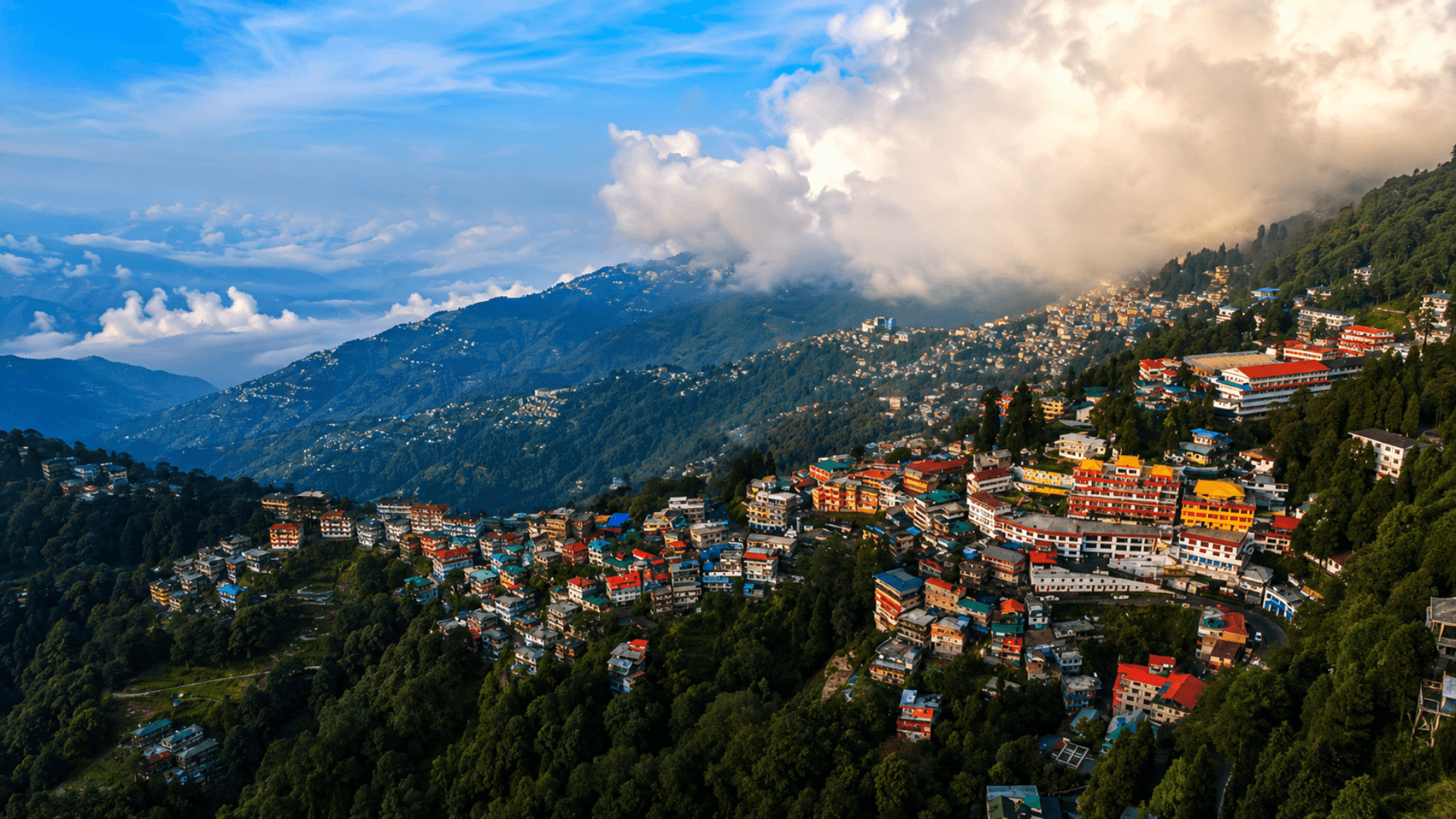
Between Rishikesh and Badrinath the road follows one river, the Alaknanda, almost all the way. Five times on that journey another river joins it, and each meeting point is a prayag — a sacred confluence. Together they are the Panch Prayag. Most pilgrims pass all five without stopping, because the road runs right past them. With a little planning you can see each one on the way up or down, without adding a single night.
Listed from Badrinath downstream, the order the water flows, they are Vishnuprayag, Nandprayag, Karnaprayag, Rudraprayag and Devprayag. Coming up from Rishikesh you meet them in reverse, so that is the order used below.
1. Devprayag — Alaknanda and Bhagirathi
This is the one that matters most. At Devprayag the Bhagirathi, coming down from Gangotri, meets the Alaknanda, and only from this point is the river called the Ganga. The difference in colour between the two streams is often visible from the bridge above the sangam. Stone steps lead down to the bathing ghat, and the old Raghunath temple stands above the town.
Devprayag is roughly 70 km from Rishikesh, about two to three hours by road, and is usually the first proper halt of any Badrinath or Kedarnath drive. The Bhagirathi you see here is the same river that starts at the glacier described in our Gaumukh trek guide.
2. Rudraprayag — Alaknanda and Mandakini
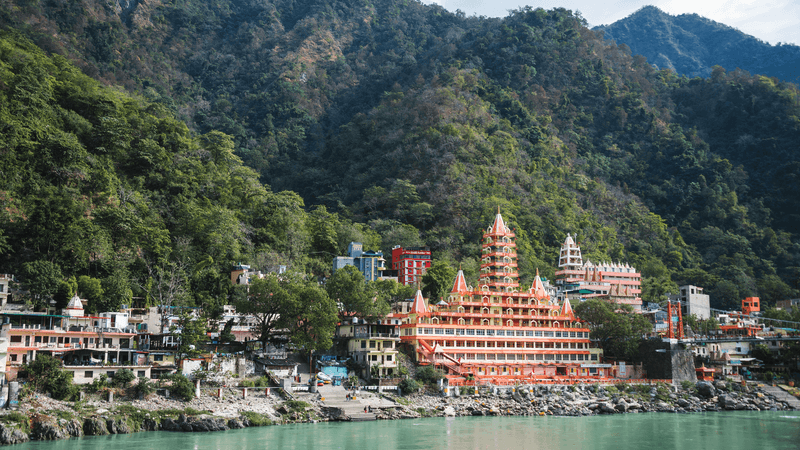
At Rudraprayag the Mandakini, which flows down from Kedarnath, joins the Alaknanda. This is also where the road divides: one branch follows the Mandakini towards Guptkashi and Sonprayag for Kedarnath, the other continues up the Alaknanda towards Badrinath. The confluence is associated with Shiva, who is said to have appeared here as Rudra, and a small temple sits right above the meeting point.
Many readers know the name from Jim Corbett, whose account of hunting the man-eating leopard of Rudraprayag is still in print. Today it is a busy market town, and a sensible place for lunch and fuel on a long driving day.
3. Karnaprayag — Alaknanda and Pindar
The Pindar river comes in from the Pindari glacier in the east. Legend links the place to Karna of the Mahabharata, who is said to have worshipped the sun here. Karnaprayag is also the junction for the road east towards Gwaldam and the Kumaon hills, which is why it has a steady flow of traffic that has nothing to do with the yatra.
4. Nandprayag — Alaknanda and Nandakini
The smallest and quietest of the five. The Nandakini flows in from the slopes around Nanda Ghunti, and the confluence is named after King Nanda, who is said to have performed a great yagna here. There is little to do beyond walking down to the water, which is exactly why some pilgrims find it the most peaceful stop of the drive.
5. Vishnuprayag — Alaknanda and Dhauliganga
The highest prayag, a short distance beyond Joshimath on the road to Govindghat and Badrinath. The Dhauliganga comes down from the Niti valley near the Tibet border and meets the Alaknanda in a narrow, steep gorge. The sage Narada is said to have worshipped Vishnu here. The water is fast and cold; the view from the road and the small temple is the sensible way to see it, not the bank.
How to see all five without adding days
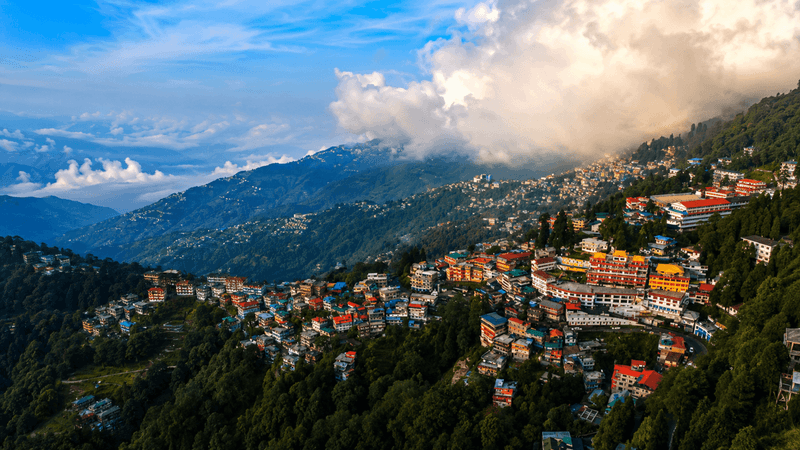
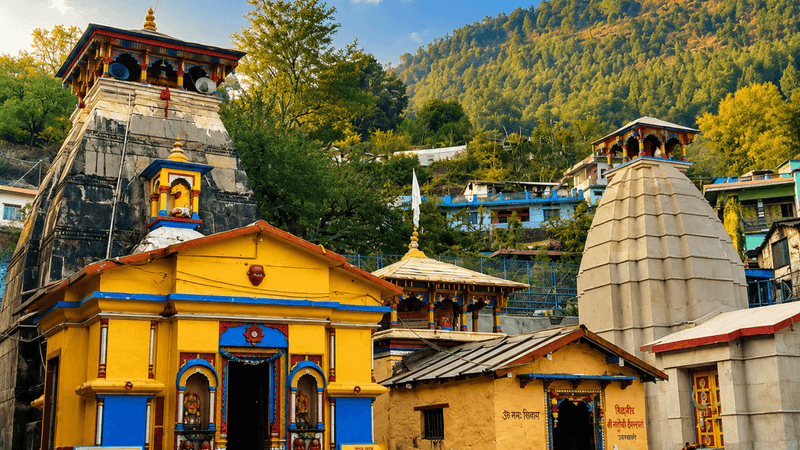
The road does the work. A typical Badrinath trip already passes every confluence:
- Day one — Rishikesh or Haridwar to Rudraprayag or beyond. Stop at Devprayag for half an hour, then Rudraprayag for lunch.
- Day two — on to Joshimath, passing Karnaprayag and Nandprayag. Ten minutes at each is enough.
- Day three — Joshimath to Badrinath, passing Vishnuprayag early in the morning.
If you are also doing Kedarnath, you will pass Devprayag and Rudraprayag twice, so you can save those for whichever leg is less rushed. Our Do Dham guide shows how the two valleys join up.
Safety at the confluences
These rivers are glacier-fed and far stronger than they look from the road. At Devprayag and Rudraprayag use the steps and chains at the ghats and stay inside them; at the higher confluences, do not go down to the water at all. During the monsoon, from July to mid-September, water levels rise quickly and ghats are sometimes closed to bathers. Follow what the local police and priests tell you on the day.
Where to stay
None of the prayag towns needs an overnight stay on its own. Plan your nights around the shrines instead: Joshimath before Badrinath, Guptkashi before Kedarnath, and Haridwar or Rishikesh at the start. The route guide on how the Char Dham fits together has the rest.
Before you go
- Devprayag is where the Bhagirathi and Alaknanda meet and the river first becomes the Ganga.
- Rudraprayag is the road junction: Mandakini valley for Kedarnath, Alaknanda for Badrinath.
- All five confluences sit on the Rishikesh–Badrinath road; no extra night is needed to see them.
- Bathe only at ghats with steps and chains, and not at all during the monsoon.
Good to know
- The five prayags from Badrinath downstream are Vishnuprayag, Nandprayag, Karnaprayag, Rudraprayag and Devprayag.
- The Ganga takes its name only below Devprayag, where the Bhagirathi joins the Alaknanda.
- The Pindar, which joins at Karnaprayag, flows from the Pindari glacier in Kumaon.
- The Dhauliganga at Vishnuprayag comes down from the Niti valley near the Tibet border.
Frequently asked questions
What are the names of the Panch Prayag?
Vishnuprayag, Nandprayag, Karnaprayag, Rudraprayag and Devprayag. They are the five points where another river joins the Alaknanda on its way down from Badrinath.
Which rivers meet at Devprayag?
The Bhagirathi, which comes from Gangotri, and the Alaknanda, which comes from Badrinath. Below Devprayag the combined river is called the Ganga.
Can I see all five prayags in one trip?
Yes. All five lie on the Rishikesh–Joshimath–Badrinath road, so a normal Badrinath trip passes every one. Short stops of ten to thirty minutes are enough and add no extra night.
Which prayag is on the way to Kedarnath?
Devprayag and Rudraprayag. At Rudraprayag the Kedarnath road leaves the Alaknanda and follows the Mandakini up to Guptkashi and Sonprayag.
Is it safe to take a dip at the prayags?
Only at ghats with steps and chains, such as Devprayag and Rudraprayag, and only when the water is low. The rivers are glacier-fed and fast. During the monsoon, and at the higher confluences, stay out of the water.
About the author
Pulp Hotels Team
Pulp Admin is the desk that runs Pulp Hotels and the verified properties on this route — Barkot, Uttarkashi, Harsil, Guptkashi, Joshimath, Badrinath and the Kedarnath valley. We deal with the owners of those hotels, and with the pilgrims staying in them, through every day of the season, and these guides are written and corrected from that work and from the official notices each season brings. Fares and opening dates change every year, so we leave them out on purpose and point you at the source instead.
Need a room on this route?
Every property on Pulp Hotels is verified before it goes live.
Related guides
- Auli from Joshimath: Snow Slopes, Meadows and Nanda Devi Views
How to get from Joshimath up to Auli, what the slopes are like in winter and summer, the easy walk to Gorson Bugyal, and how to add Auli to a Badrinath trip.
- Har Ki Pauri Ganga Aarti and a Day in Haridwar: A First-Timer's Guide
When to arrive for the evening aarti at Har Ki Pauri, where to stand, and how to spend the rest of a day in Haridwar before the Char Dham road.
- Mussoorie from Dehradun: A Two-Day Plan, Landour and the Road to Yamunotri
How to get up to Mussoorie from Dehradun, what to see in two days — Mall Road, Landour, Kempty Falls — how to avoid the weekend traffic, and why Mussoorie is also a way into the Yamunotri valley.
- Rishikesh Before the Char Dham: Aartis, Ghats and a Day to Prepare
How to spend a day in Rishikesh before driving into the mountains — the two evening aartis, the bridges and ghats, Neelkanth Mahadev, rafting seasons, and the practical jobs to finish first.
- Do Dham Yatra: Kedarnath and Badrinath Without the Other Two
Most people who say Char Dham actually have the time for two shrines. Here is the Kedarnath-Badrinath run done properly, in six or seven days.
- A 10-Day Char Dham Itinerary, Written Around Where You Sleep
Ten days, nine nights, four shrines — planned backwards from the beds rather than forwards from the temples, which is why it holds together.