
A 10-Day Char Dham Itinerary, Written Around Where You Sleep
Ten days, nine nights, four shrines — planned backwards from the beds rather than forwards from the temples, which is why it holds together.
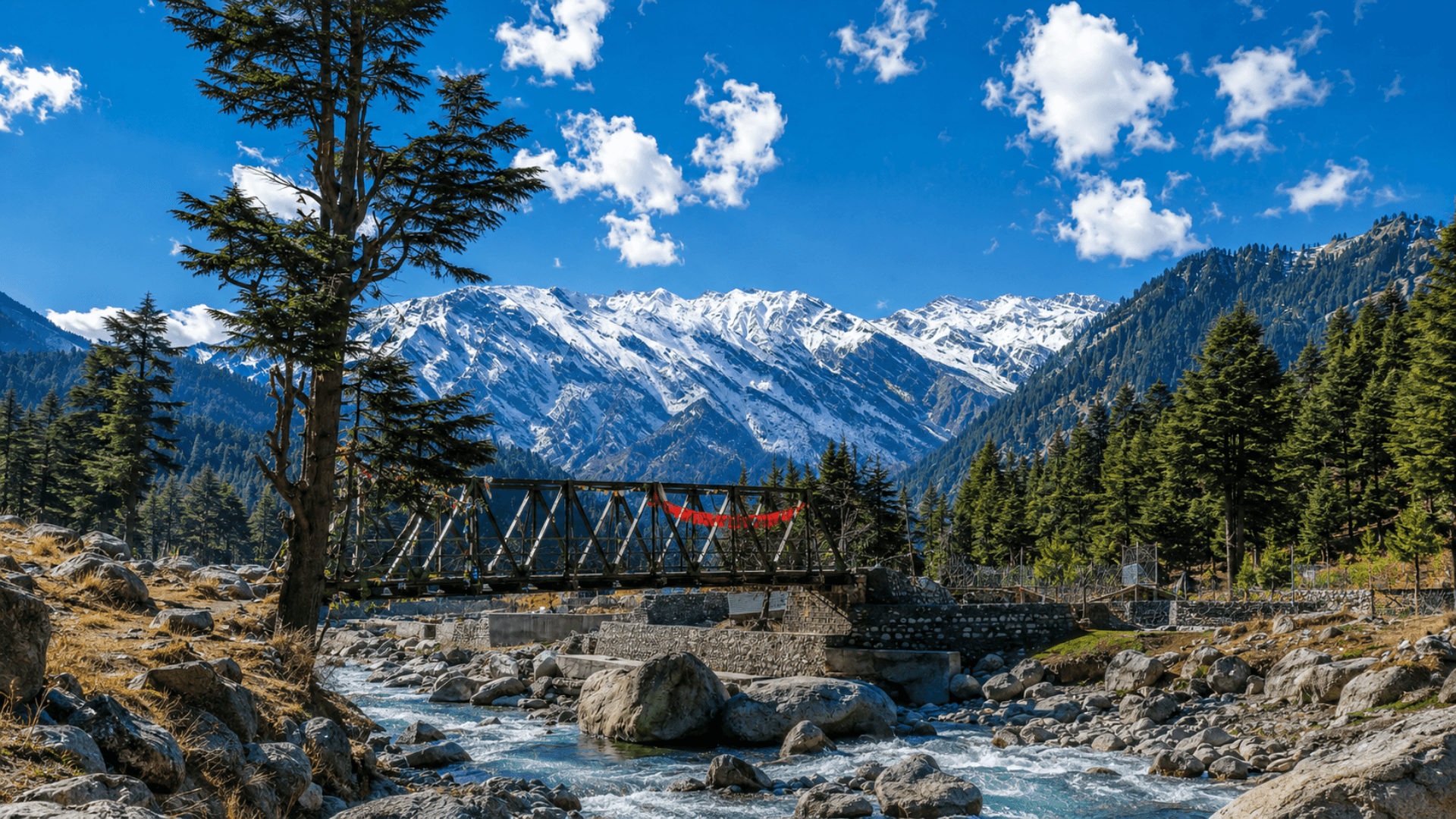
Most Char Dham itineraries are written as a list of temples with the driving inserted afterwards. That is how you end up with a plan where day six ends at midnight in a town with no rooms left. This one is written the other way round — nine nights in specific places, with the shrines fitted around them.
Ten days is the shortest version of the full circuit that does not require everything to go right. Seven-day itineraries exist and they are sold every season; they work until the first landslide.
The nine nights
Barkot, Barkot, Uttarkashi or Harsil, Uttarkashi or Harsil, Guptkashi, Kedarnath, Guptkashi, Joshimath, Badrinath or Joshimath. Everything below is scaffolding around that.
Day 1 — Haridwar or Rishikesh to Barkot
Roughly 210 km from Rishikesh and a genuine full day: the road climbs out of the Doon valley over Mussoorie and drops into the Yamuna. Nobody does this in the time a map app promises. Sleep in Barkot.
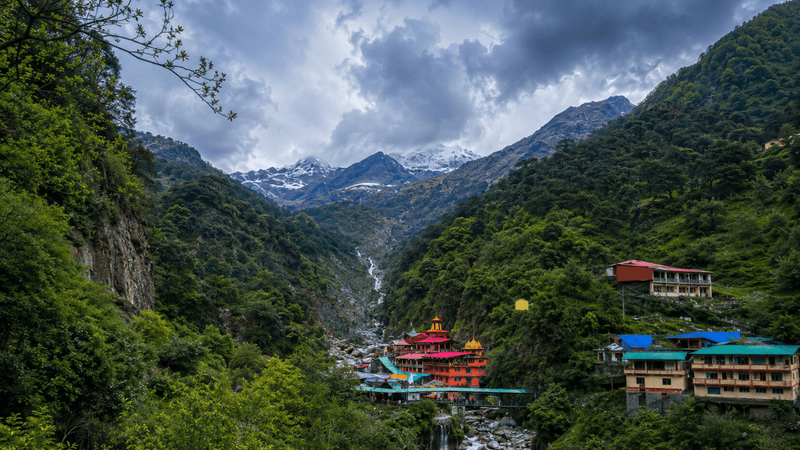
Day 2 — Yamunotri, and back to Barkot
Drive to Janki Chatti, then a roughly 6 km climb to the shrine at about 3,290 m. Ponies and palkis run the route. Cook rice in the Surya Kund hot spring for prasad, then come back down and sleep in Barkot again. Two nights in the same bed on day one and two is deliberate — you unpack once and you start the climb early.
Day 3 — Barkot to Uttarkashi or Harsil
About 100 km across to the Bhagirathi. Uttarkashi is the practical town — bigger, more supplies, the last real bazaar for a while. Harsil is 70-odd km further on in an apple-and-deodar valley, much closer to Gangotri, and the night people actually remember. If you can take Harsil, take Harsil.
Day 4 — Gangotri, and back
Gangotri is motorable, which makes it the easiest shrine on the circuit. From Harsil it is a short morning; from Uttarkashi it is most of a day. Return to the same bed.
Day 5 — the long transfer to Guptkashi
This is the hardest driving day of the yatra and the one every compressed itinerary underestimates. You cross from the Bhagirathi valley to the Mandakini, usually via Tehri and Rudraprayag. Leave early, eat on the road, and expect to arrive tired. Guptkashi is the base for what follows.
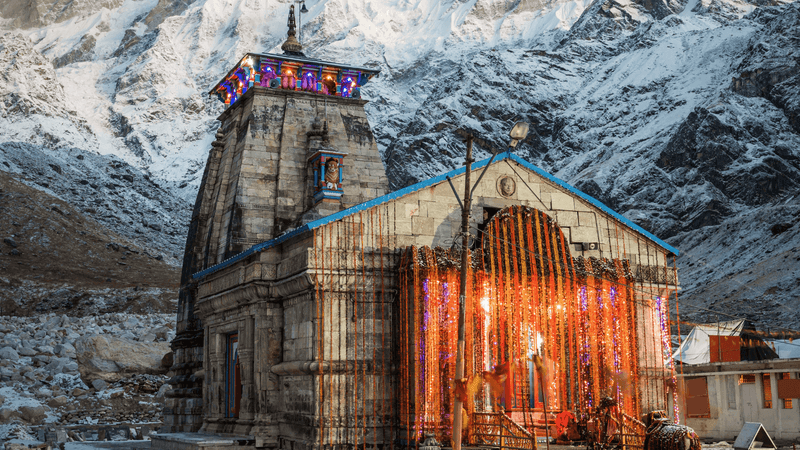
Day 6 — up to Kedarnath
Out before dawn. Private cars stop at Sonprayag and a shuttle covers the last few kilometres to Gaurikund, where the 16 km climb to roughly 3,580 m begins. Helicopter shuttles fly from the valley pads if you have booked one. Sleep at Kedarnath — attempting 32 km up and down in one day is how a yatra turns into an evacuation.
Day 7 — down, and rest
Descend to the valley and stop. Do not stack a transfer onto the end of a descent. If you would rather be off the mountain the instant your feet allow it, Sitapur and Gaurikund sit right at the trailhead.
Day 8 — Guptkashi to Joshimath
Across again, via Chopta or Ukhimath and down to Chamoli, then up the Alaknanda. Joshimath is the night, and if you have a spare afternoon the Auli cable car is right there — Auli has beds of its own if you would rather sleep at the top.
Day 9 — Badrinath
Around 45 km up, motorable to the temple. Tapt Kund, darshan, and Mana village a few kilometres on. Sleep in Badrinath if you booked early enough, or drop back to Joshimath if you did not. The Badrinath destination guide is worth reading before you fix this day.
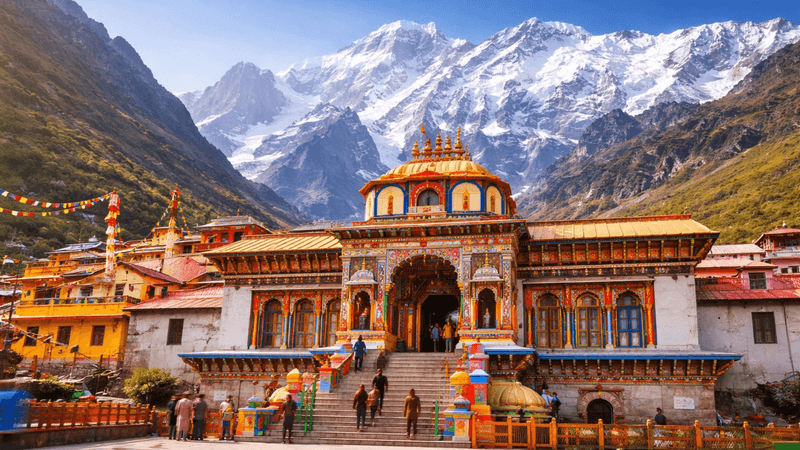
Day 10 — down to Haridwar or Rishikesh
A long descent, most of it retracing the Alaknanda. If your flight or train is the same evening, move it. If it is the next morning, a night in Dehradun or Haridwar is the sane end to this trip.
Where to add days, if you have them
- An eleventh day as a floating buffer — not scheduled anywhere, simply spent wherever the road eats it. This is the single most useful day you can add.
- A second night at Harsil, which is the most pleasant place on the route to lose a day.
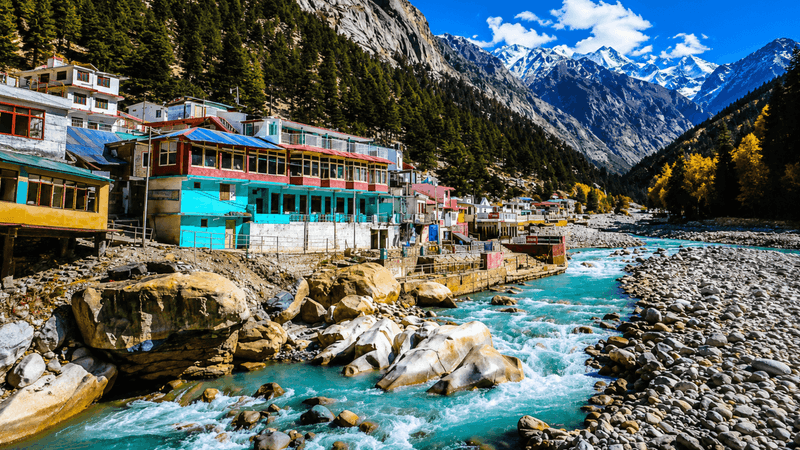
- Govindghat, if you are travelling in the Valley of Flowers window — Govindghat is the trailhead for both the valley and Hemkund Sahib.
Where not to cut
People compress by dropping the Guptkashi rest night on day seven, or by trying to reach Joshimath the same evening they come down from Kedarnath. Both work on paper. Neither survives contact with a knee that has just done sixteen downhill kilometres.
Register for the yatra before you travel, carry the ID you registered with, and treat the season windows seriously — late April to mid-June, and mid-September until the shrines close in November.
Before you go
- Ten days, nine nights: two in Barkot, two on the Gangotri side, two in Guptkashi with a night at Kedarnath between them, then Joshimath and Badrinath.
- Day 5, Uttarkashi to Guptkashi, is the longest drive of the yatra — start it early.
- An eleventh floating day is the most useful thing you can add to this plan.
- Do not schedule a transfer on the same day you descend from Kedarnath.
Good to know
- The circuit runs west to east and follows four rivers in turn: the Yamuna, the Bhagirathi, the Mandakini and the Alaknanda.
- Only two of the four shrines are motorable — Gangotri and Badrinath. The other two are walked.
- Rice cooked in the Surya Kund spring at Yamunotri is carried away as prasad.
- Auli's cable car, a short hop from Joshimath, is among the longest in Asia.
Frequently asked questions
Is 10 days enough for the Char Dham Yatra?
Yes, and it is close to the minimum that works without everything going right. Ten days gives you two nights on the Yamunotri side, two on the Gangotri side, a night at Kedarnath and a Badrinath day, with the transfers spread rather than stacked.
Can the Char Dham be done in 7 days?
It is sold every season, but it leaves no room for a road closure, and closures on this route are routine. A seven-day plan usually means dropping the Kedarnath overnight or driving after dark, both of which are worse than taking three more days.
Which is the hardest day of a 10-day Char Dham itinerary?
Day 5, the transfer from the Bhagirathi valley to Guptkashi. It is the longest drive on the circuit and the one compressed itineraries always underestimate.
Should I stay at Uttarkashi or Harsil for Gangotri?
Harsil if you can. It is much closer to the shrine and sits in a deodar valley that most pilgrims remember better than the temple queue. Uttarkashi is the bigger town with more supplies and more rooms.
Where does a 10-day Char Dham itinerary start?
Haridwar or Rishikesh. If you are flying into Dehradun, add a night there before day one rather than starting a nine-hour mountain drive straight off a flight.
Need a room on this route?
Every property on Pulp Hotels is verified before it goes live.