
Gangotri to Gaumukh: The Trek to the Source of the Ganga
Gaumukh is 18 km beyond Gangotri, at the snout of the Gangotri glacier. The permit, the route through Chirbasa and Bhojbasa, and how many days to allow.
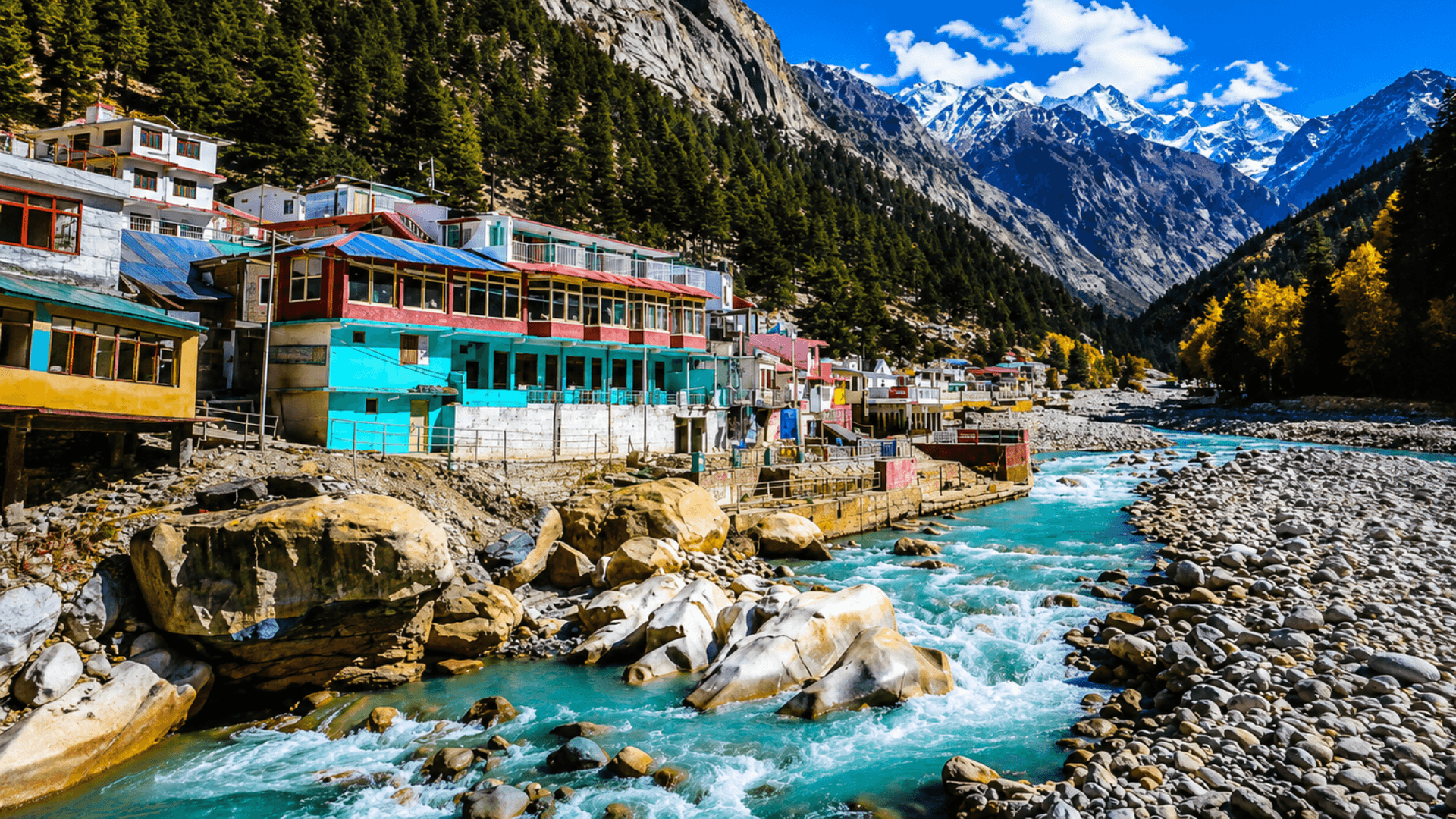
Gangotri is where the Ganga is worshipped. Gaumukh is where it actually begins: the snout of the Gangotri glacier, about 18 km further up the valley, where the Bhagirathi comes out from under the ice. For pilgrims with the legs and the days, it is the walk that turns a Gangotri darshan into a journey to the source.
It is a real trek, not an extension of the temple visit. It runs inside Gangotri National Park, it needs a permit, and it takes at least two days. Here is what that involves.
The permit comes first
Entry to the Gaumukh trail is controlled because the glacier and the valley around it are protected. The number of trekkers allowed each day is capped — the limit has been 150 a day — so in busy weeks permits run out, and you cannot simply turn up at the gate and walk in.
Permits are issued by the Gangotri National Park office in Uttarkashi, at the park's checkpoints near Gangotri, and online. You will need government photo ID. The rules have been tightened in recent seasons, including on hiring a guide, so check the current conditions when you apply rather than relying on what someone did a few years ago. The park closes for winter, usually from the end of November to the end of March.
The route: Gangotri, Chirbasa, Bhojbasa, Gaumukh
The trail follows the Bhagirathi upstream from Gangotri the whole way.
- Gangotri to Chirbasa — about 9 km. The easier half: a gradual climb through pine and birch forest. Chirbasa takes its name from the chir pines.
- Chirbasa to Bhojbasa — about 5 km. The trees thin out and the valley opens into rock and scree. Bhojbasa, named after the bhoj or Himalayan birch whose bark was once used for writing, is where almost everyone spends the night.
- Bhojbasa to Gaumukh — about 4 km. Over boulders and moraine to the viewpoint below the glacier snout, with Shivling peak rising behind it.
That is roughly 18 km each way. Gaumukh sits close to 4,000 m — the best part of a kilometre higher than Gangotri, which is itself above 3,000 m.
How many days it needs
The usual plan is three days from Gangotri:
- Day 1: Gangotri to Bhojbasa, about 14 km. Sleep at Bhojbasa.
- Day 2: Bhojbasa to Gaumukh and back to Bhojbasa — or all the way down to Gangotri if you are strong and start early.
- Day 3: Bhojbasa down to Gangotri.
Beds at Bhojbasa are basic: ashrams, and government rooms and tents, with simple meals. Do not expect a hot shower, and carry a warm layer for the night even in June.
Before you start, add at least one night at Gangotri or lower in the valley. Walking to 4,000 m from a standing start in Haridwar is how people get altitude sickness; our altitude guide explains why a night sleeping lower first makes the difference.
Where to stay before and after
Gangotri itself has simple guesthouses and ashrams close to the trailhead. Many pilgrims prefer to sleep lower and more comfortably at Harsil, about 25 km down the valley, or in Uttarkashi, which is also where the park office is. Our Yamunotri and Gangotri guide compares the three.
The Gangotri highway runs through landslide-prone country, and the stretch around Dharali, near Harsil, was badly hit by a flash flood in August 2025. Check the road's current condition before you travel and keep a spare day in the plan.
Is it for you?
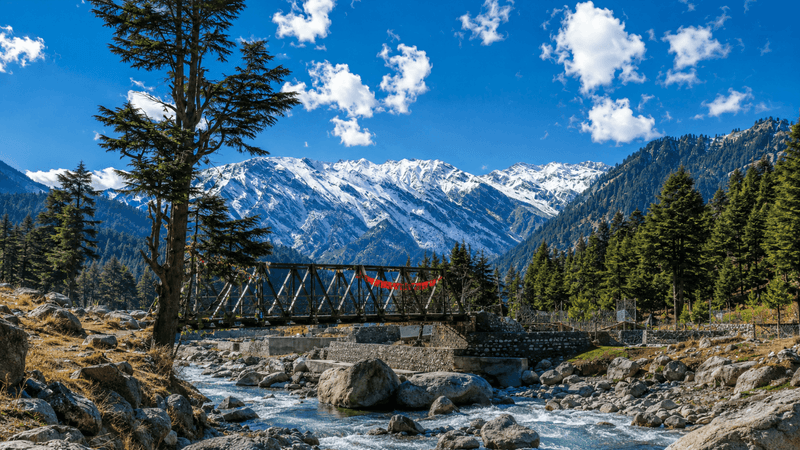
The Gaumukh trek is moderate: not technical, but long, at altitude, and rough underfoot in the upper section. Anyone who walks regularly and gives it the days can do it. It is not a sensible add-on for elderly pilgrims or anyone who found Yamunotri hard — for them, darshan at Gangotri is the pilgrimage, and a complete one.
At the snout itself, keep well back from the ice. Blocks break off the glacier face without warning, and the water directly below it is dangerous. The trail beyond Gaumukh to Tapovan is a harder undertaking again and needs proper preparation and a guide.
When to go
The park is open from April to November. May and June are the busiest months and the ones where permits are hardest to get; September and October, after the monsoon, bring the clearest skies and fewer people. July and August are the least reliable, with rain, swollen side streams and landslides on the road in. Our month-by-month guide covers the season for the rest of the circuit.
Before you go
- A Gangotri National Park permit is required, and daily numbers are capped — apply early in busy weeks.
- Gangotri to Gaumukh is about 18 km; most people sleep at Bhojbasa.
- Allow three days from Gangotri, plus a night lower in the valley to acclimatise first.
- Keep well back from the glacier snout — ice falls without warning.
Good to know
- Gaumukh means 'cow's mouth', after the shape the glacier snout was once said to have.
- Bhojbasa is named after the Himalayan birch, whose bark was used for writing manuscripts.
- Shivling peak dominates the view from Gaumukh.
- The Gangotri glacier has been retreating for well over a century, so the snout sits further up the valley than it once did.
Frequently asked questions
How far is Gaumukh from Gangotri?
About 18 km each way: roughly 9 km from Gangotri to Chirbasa, 5 km on to Bhojbasa, and 4 km from Bhojbasa to the viewpoint below the glacier snout.
Do you need a permit for the Gaumukh trek?
Yes. The trail is inside Gangotri National Park, and permits are issued by the park office in Uttarkashi, at checkpoints near Gangotri and online. Daily numbers are capped, so apply early in May and June, and check the current rules on guides when you apply.
How many days does the Gaumukh trek take?
Usually three days from Gangotri: up to Bhojbasa on the first day, to Gaumukh and back to Bhojbasa on the second, and down to Gangotri on the third. Add a night lower in the valley beforehand to acclimatise.
Where do you stay on the Gaumukh trek?
At Bhojbasa, in basic ashram accommodation or government rooms and tents. Before and after the trek, stay at Gangotri, or lower and more comfortably at Harsil or Uttarkashi.
Is the Gaumukh trek difficult?
It is moderate: not technical, but long, rough in the upper section and close to 4,000 m. Regular walkers who allow enough days manage it well. It is not advisable for elderly pilgrims or anyone who struggles with altitude.
Need a room on this route?
Every property on Pulp Hotels is verified before it goes live.