
Char Dham Yatra for Senior Citizens: Planning It So They Finish It
Two of the four shrines can be reached by car. The other two decide whether an older pilgrim completes the yatra or turns back at the trailhead.
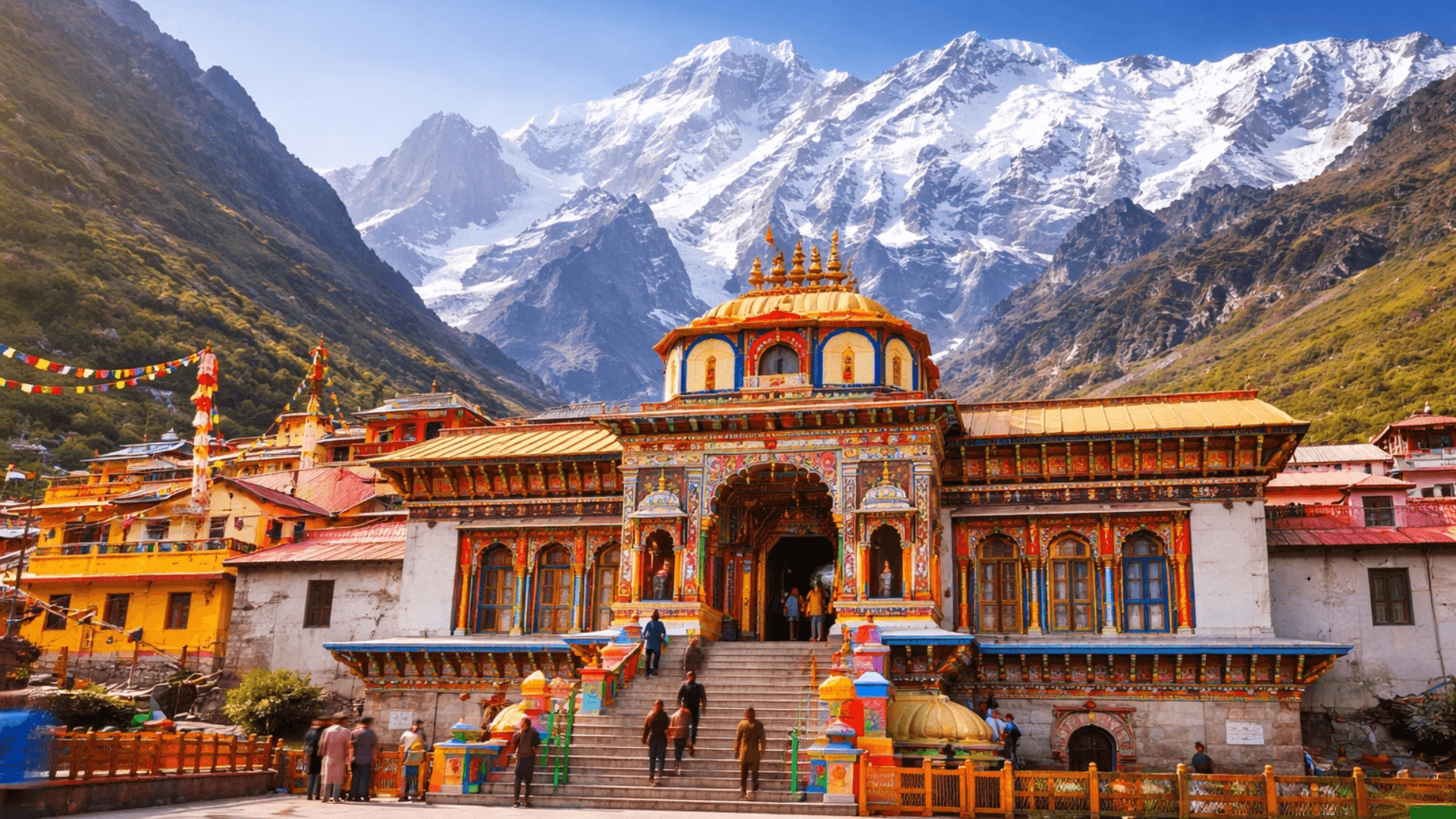
The Char Dham has always been a yatra for the old. That is rather the point of it — traditionally you went once your obligations were behind you. What has changed is that most people now attempt it on a fortnight's leave, in a hired car, on a schedule built for someone thirty years younger.
The planning question is not whether an older pilgrim can do the Char Dham. It is which parts of it they should do, and how much time you give the whole thing.
Start with the honest geography
The four shrines are not equally hard, and the difference is enormous:
- Gangotri — motorable to the temple. Roughly 3,100 m. The easiest of the four by a distance.
- Badrinath — motorable to the temple. Roughly 3,100 m. Also straightforward.
- Yamunotri — about 6 km on foot from Janki Chatti, climbing to around 3,290 m. Ponies and palkis are available for the whole stretch.
- Kedarnath — 16 km on foot from Gaurikund to roughly 3,580 m, or a helicopter shuttle from the valley floor. This is the one that decides everything.
An older pilgrim who can sit in a car and walk a temple courtyard can do half the Char Dham with no special arrangements at all.
The three realistic shapes
1. All four, with a pony or palki at Yamunotri and a helicopter at Kedarnath
The most common answer, and it works. Both assisted options are normal and heavily used — nobody will look at you oddly. The helicopter must be booked well ahead; it is the first thing on the entire circuit to sell out, and the queue does not care how old the passenger is.
Note the honest caveat: the helicopter drops you a short walk below the temple. It is a few hundred metres on stone, not sixteen kilometres, but it is not nothing.
2. Do Dham — Kedarnath and Badrinath only
Halves the driving, keeps the hardest shrine. Sensible if the constraint is stamina for long car days rather than the climb itself.
3. The western pair — Yamunotri and Gangotri
The quietly sensible option that almost nobody suggests. Gangotri is a drive-up. Yamunotri is a manageable assisted climb. Neither reaches Kedarnath's altitude, the driving is shorter, and the two bases — Barkot and Harsil — are among the pleasantest places to sleep on the whole circuit. If the aim is that your parents complete a yatra rather than attempt one, look hard at this.
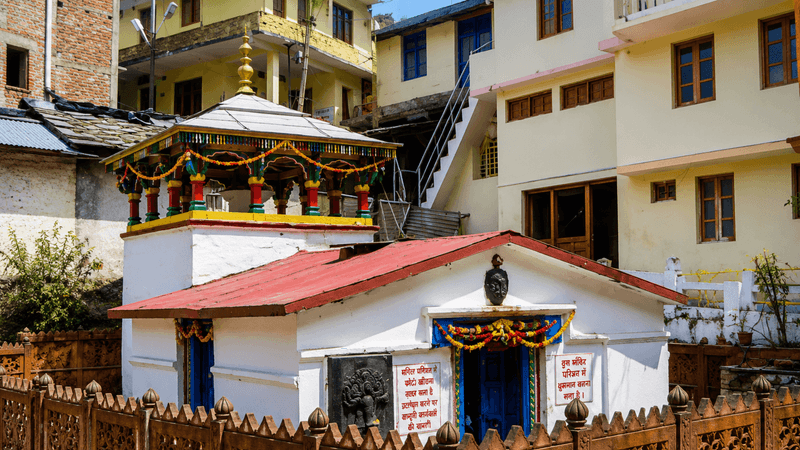
Altitude is the risk, not distance
Everything above about 2,500 m is thin air, and the whole circuit lives above that. Older bodies acclimatise more slowly, and existing heart or breathing conditions matter much more here than at home.
Uttarakhand has, in recent seasons, run health screening on the yatra routes and advised pilgrims with cardiac or respiratory conditions to get a fitness check before travelling. Treat that as a floor. Speak to the doctor who actually knows the patient's history, well before you book anything — not as a formality, but because they may tell you something that changes the shape of the trip.
Practical things that help regardless: climb gradually rather than in one jump, keep drinking water, sleep low even when the shrine is high, and treat a headache with nausea as a reason to descend rather than a reason to push on.
Sleep low, always
This is the single planning decision that does the most good. Given a choice between a bed near the shrine and a bed a few hundred metres lower down the valley, take the lower one. Guptkashi for Kedarnath and Joshimath for Badrinath both exist for precisely this reason. An older pilgrim who sleeps well is a different person the next morning.
Give it more days than you think
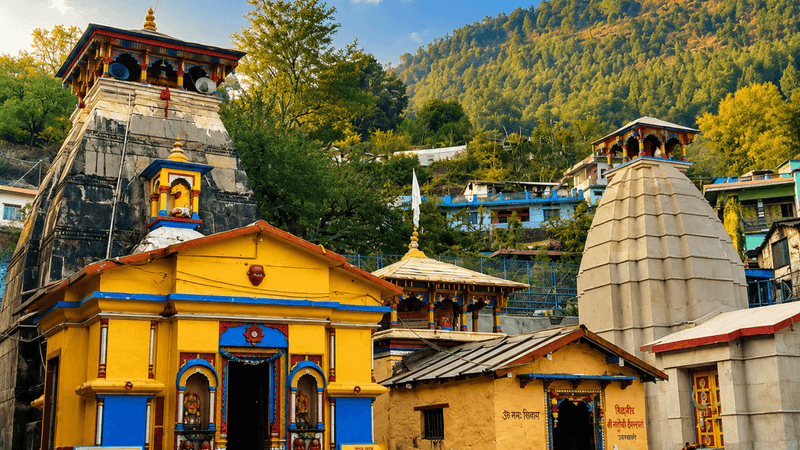
If ten days is the standard full circuit, plan twelve or thirteen with an older group. The extra days do not go into more temples. They go into shorter driving days, an unhurried morning after each climb, and one floating day for the landslide that will happen.
Long mountain drives are their own form of exhaustion, quite separate from walking. Six hours folded into a car seat on a road that never stops turning takes more out of a seventy-year-old than the same six hours on a highway.
Small things that matter more than they sound
- A ground-floor room, or a property with a lift. Hill hotels stack rooms up slopes and many have neither.
- Warm layers in every month. Nights are cold at these altitudes in June.
- A written medication list, carried by someone other than the patient, with enough supply for the trip plus the buffer days.
- Registration under their own ID — the yatra registration is per pilgrim and the checkposts match it against the document in hand.
- Their own phone, charged. Signal is patchy but not absent, and the moment you need it is the moment the group has split.
Timing
Aim for late May to mid-June or mid-September to mid-October. The first is warmer; the second is drier and much quieter, which for an older pilgrim usually matters more than temperature. Avoid the opening fortnight, when crowds peak and the weather is least settled, and avoid the monsoon entirely.
Arriving by air or train, add a night at the bottom before you start climbing — Dehradun or Haridwar. Beginning a yatra already tired is the most avoidable mistake on this list.
Before you go
- Gangotri and Badrinath are motorable to the temple; Yamunotri and Kedarnath are not.
- Get a fitness check from the doctor who knows the pilgrim's history before booking, especially with heart or breathing conditions.
- Sleep low — Guptkashi rather than higher up, Joshimath rather than Badrinath.
- Plan twelve to thirteen days rather than ten, and ask for a ground-floor room.
Good to know
- The Char Dham was traditionally undertaken in later life, once household duties were considered discharged.
- Ponies and palkis have carried pilgrims up the Yamunotri and Kedarnath routes for generations; using one carries no stigma.
- Both motorable shrines still sit above 3,000 m — being able to drive there does not make the altitude go away.
- Kedarnath's deity winters at Ukhimath and Badrinath's at Joshimath, both of which can be visited off-season at a fraction of the altitude.
Frequently asked questions
Can senior citizens do the Char Dham Yatra?
Yes, and many do. Gangotri and Badrinath are reachable by car. Yamunotri is a 6 km climb with ponies and palkis available throughout, and Kedarnath can be done by helicopter shuttle instead of the 16 km trek.
Which Char Dham shrine is hardest for elderly pilgrims?
Kedarnath, without question. It is the highest at roughly 3,580 m and the only one requiring a 16 km walk, unless you take the helicopter — which still leaves a short climb from the helipad to the temple.
Is a medical check required for the Char Dham Yatra?
Uttarakhand has run health screening on the routes and advised pilgrims with cardiac or respiratory conditions to be checked before travelling. Beyond any official requirement, see the doctor who knows the pilgrim's history — this is thin air, and it is worth a proper conversation before you book.
Which Char Dham option is easiest for older parents?
Yamunotri and Gangotri as a pair. Gangotri is motorable, Yamunotri is a manageable assisted climb, the altitude is lower than Kedarnath and the driving is shorter. It is the version most likely to be finished rather than abandoned.
How many days should seniors plan for the Char Dham?
Twelve to thirteen rather than the standard ten. The extra days buy shorter driving days, unhurried mornings after each climb, and one floating day for the road closure you should expect.
Need a room on this route?
Every property on Pulp Hotels is verified before it goes live.