
Do Dham Yatra: Kedarnath and Badrinath Without the Other Two
Most people who say Char Dham actually have the time for two shrines. Here is the Kedarnath-Badrinath run done properly, in six or seven days.
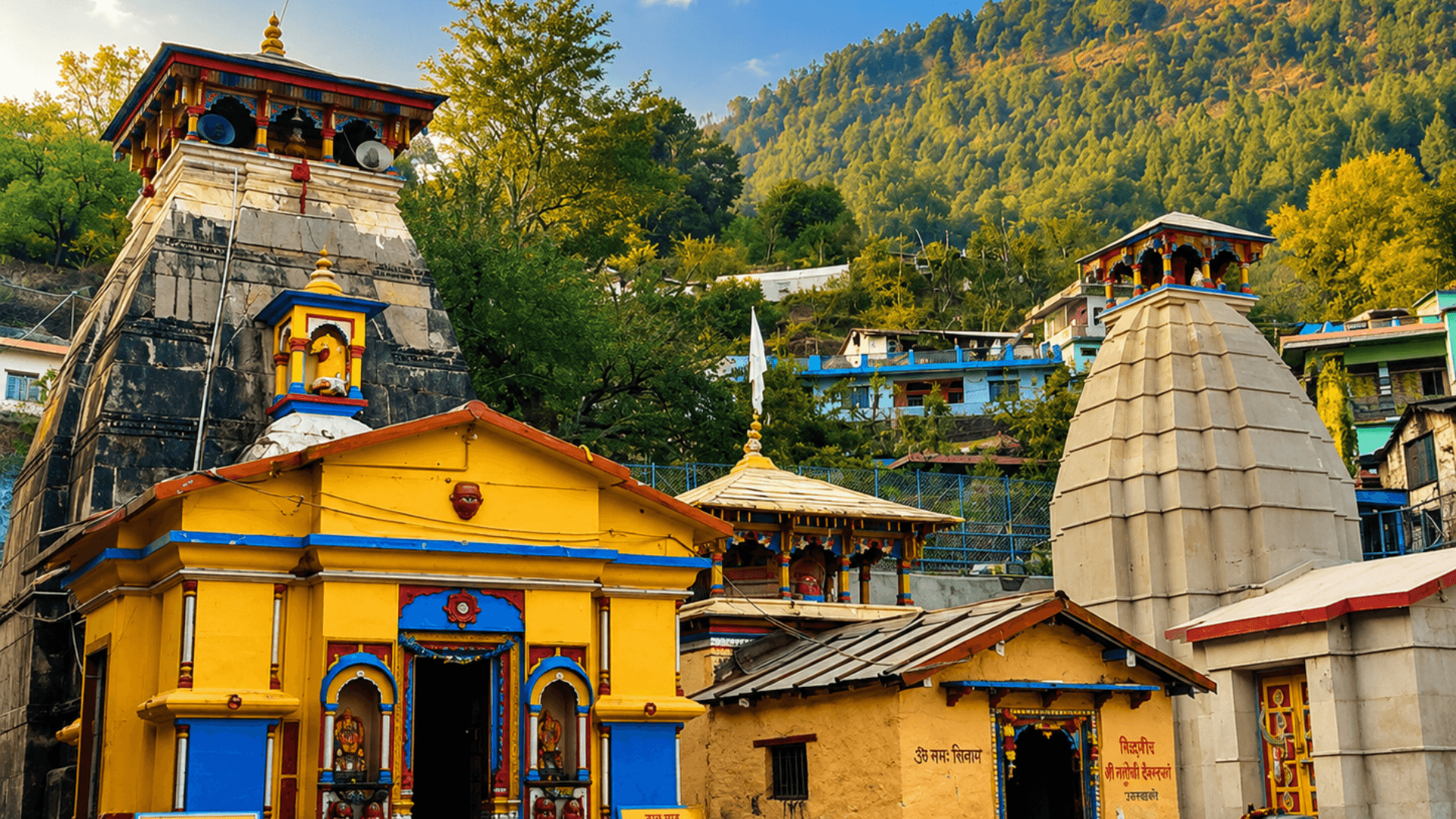
Do Dham means two of the four: in practice, almost always Kedarnath and Badrinath. They sit on the same side of Garhwal, roughly a day's drive apart, and doing only those two removes the long westward swing to Yamunotri and Gangotri that adds four or five days to a yatra.
That is the honest reason most people choose it. A full Char Dham is ten to twelve days done properly. Do Dham is six or seven. If your leave is a week, this is the yatra you can actually finish rather than the one you abandon halfway.
Do Dham vs Char Dham: what you actually give up
You give up the two western shrines and the drive through the Yamuna and Bhagirathi valleys. What you keep is the harder and, for most pilgrims, the more significant half — Kedarnath is one of the twelve Jyotirlingas, and Badrinath is one of the four Char Dhams of India in the pan-national sense, not just the Garhwal circuit.
You also keep the difficulty. Kedarnath is the demanding shrine on any version of this trip: roughly 3,580 m, reached by a 16 km walk from Gaurikund or by helicopter. Cutting the yatra in half does not cut the altitude.
A workable six-to-seven day plan
Day 1 — Haridwar or Rishikesh to Guptkashi
A long first day, most of it along the Alaknanda and then the Mandakini. Sleep in Guptkashi. It sits low enough that you sleep properly, which matters more than being ten kilometres further up the road.
Day 2 — Guptkashi to Kedarnath
Leave in the dark. Private vehicles stop at Sonprayag; a shuttle runs the last stretch to Gaurikund, and the trek starts there. Sixteen kilometres, climbing throughout. Ponies and palkis are available and so is the helicopter shuttle from the valley pads. Whichever way you go up, plan to sleep at Kedarnath rather than turning around the same day — the descent in fading light after a full climb is where people get hurt.
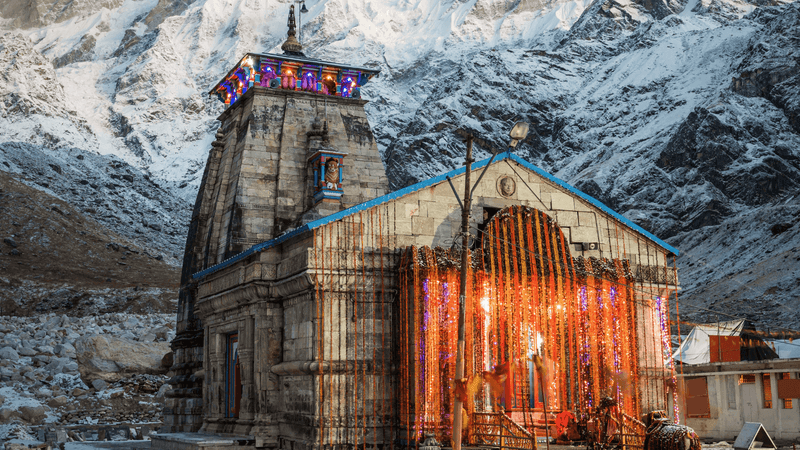
Day 3 — Kedarnath down to Guptkashi or Sitapur
Down is faster than up but harder on the knees. Most people are back in the valley by afternoon. Sitapur and Gaurikund are the closest beds to the trailhead if you want to stop the moment you are off the mountain.
Day 4 — Transfer to Joshimath
Across to the Alaknanda valley, usually via Chopta or Ukhimath and then Chamoli. A driving day, not a walking one, which is exactly what your legs want after Kedarnath. Joshimath is the standard night here, and it is also where the Narsingh temple holds Badrinath's winter seat.
Day 5 — Badrinath
About 45 km up from Joshimath and motorable to the temple door, which after Kedarnath feels like a gift. Bathe at Tapt Kund, do the darshan, and if you have the afternoon spare, drive the few kilometres to Mana. Beds in Badrinath are limited and go early; Joshimath is the fallback that always works.
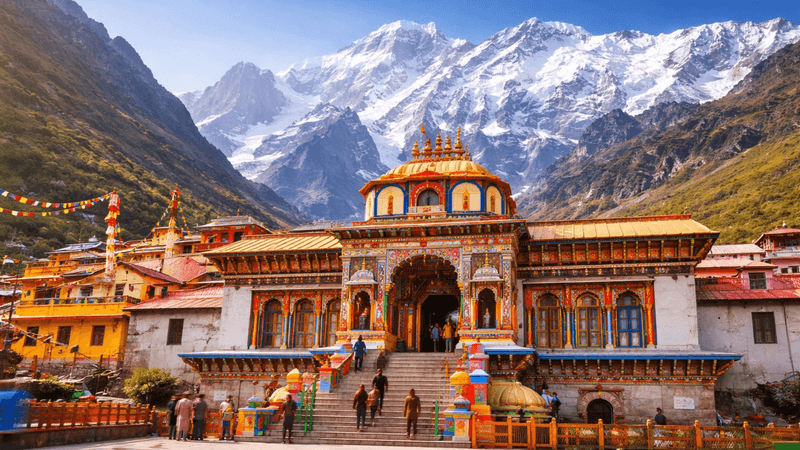
Days 6-7 — Down, with a buffer
Back to Rishikesh or Haridwar. Keep the seventh day even if the plan says six: this road closes for landslides and convoy control with no notice, and a spare day is the difference between a delayed return and a missed flight.
Which two, if not these two?
A minority run Yamunotri and Gangotri as their Do Dham instead — the western pair. It is a gentler trip: Gangotri is motorable, Yamunotri is a 6 km walk from Janki Chatti, and neither reaches Kedarnath's altitude. If someone in your group cannot manage a 16 km climb, this is the pairing to look at, based out of Barkot and Harsil.
Registration still applies
Doing two shrines instead of four does not exempt you. Uttarakhand requires registration for the yatra, per pilgrim, tied to the ID you will carry, and the checkposts on the way to both Kedarnath and Badrinath verify it. Register when the portal opens for the season, not the week you leave.
When to go
Same windows as the full circuit: late April or May through mid-June, then mid-September to the closing in November. Both shrines shut for winter and the deities move down to Ukhimath and Joshimath respectively. Avoid July and August unless you are relaxed about losing days to rain.
If you are flying in, a night in Dehradun or Haridwar before the drive up is worth the extra evening. Starting a nine-hour mountain day straight off a flight is how the first two days of a short yatra get wasted.
Before you go
- Do Dham needs the same Uttarakhand registration as the full Char Dham — one per pilgrim, matching the ID you carry.
- Sleep at Kedarnath rather than attempting the 32 km round trip in a day.
- Keep a spare day at the end; the Rishikesh-Badrinath road closes without notice.
- Book Badrinath rooms early or plan to sleep at Joshimath instead.
Good to know
- Kedarnath is one of the twelve Jyotirlingas; Badrinath is one of the four national Char Dhams named by Adi Shankaracharya.
- Both shrines have winter seats — Kedarnath's deity moves to Ukhimath, Badrinath's to the Narsingh temple at Joshimath.
- Mana, a few kilometres beyond Badrinath, is the last village on the Indian side of the pass.
- Badrinath's Tapt Kund is a natural hot spring that stays warm through a Himalayan winter.
Frequently asked questions
Which two shrines make up the Do Dham Yatra?
Almost always Kedarnath and Badrinath. They sit in adjacent valleys about a day's drive apart, so they pair naturally. A smaller number of pilgrims run Yamunotri and Gangotri as their two instead, which is the gentler option.
How many days does the Do Dham Yatra take?
Six to seven days from Haridwar or Rishikesh. Six is the plan; the seventh is the buffer you will probably need, because road closures on this route are routine rather than exceptional.
Is registration required for Do Dham?
Yes. Uttarakhand's yatra registration applies per pilgrim regardless of how many shrines you visit, and checkposts on both the Kedarnath and Badrinath roads verify it against your ID.
Is Do Dham easier than Char Dham?
Shorter, not easier. You cut four or five days of driving, but you keep Kedarnath, which is the highest and most physically demanding shrine on the circuit.
Where should I stay on a Do Dham Yatra?
Guptkashi for Kedarnath and Joshimath for Badrinath are the two nights that do the real work. Sitapur or Gaurikund are useful if you want to be closest to the trailhead, and Badrinath itself has rooms if you book early.
Need a room on this route?
Every property on Pulp Hotels is verified before it goes live.