
Where to Stay in Uttarkashi: The Gangotri Base Town
Where to stay in Uttarkashi, the Gangotri base town on the Bhagirathi: the areas, parking, what the rooms are like, and when to book for the yatra.
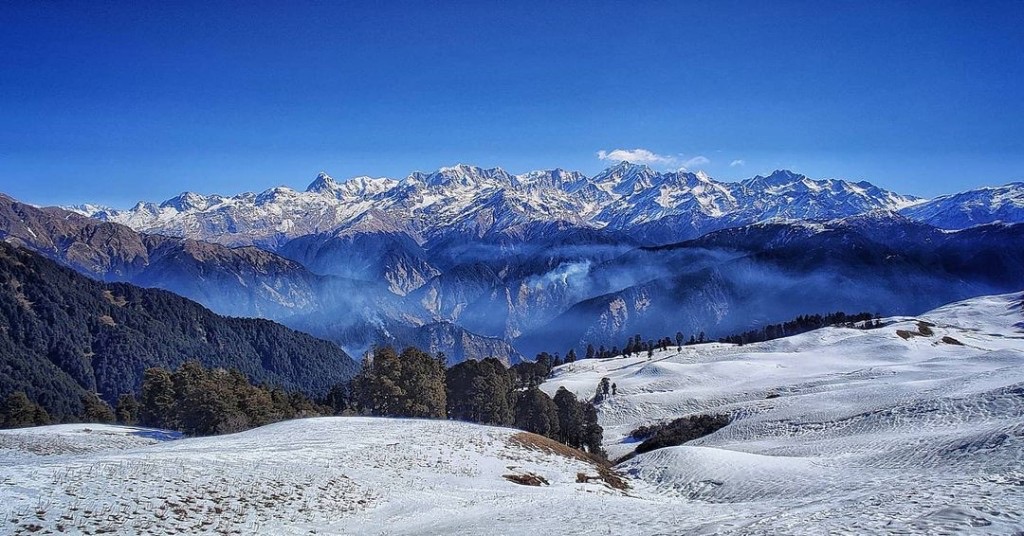
Uttarkashi is the big town of the upper Bhagirathi valley, and for the Gangotri side of the Char Dham it is the natural place to sleep. It stands at about 1,160 m on the river's left bank, a working district headquarters with a hospital, a crowded bazaar and a deep religious history — its name means the Kashi of the North, and the old Kashi Vishwanath temple sits right by the water in the heart of town. Gangotri is still 100 km and a slow half-day further on, which is exactly why you stop here: this is the last place with everything a traveller needs before the road narrows and climbs.
Why base yourself in Uttarkashi
Gangotri itself is a shrine settlement that empties out and shuts for winter once the temple closes around Diwali; its rooms are few and plain, and the altitude is hard on anyone who has driven up quickly. Uttarkashi is the opposite — a real town, open all year, with fuel pumps, cash machines, a dependable mobile signal, chemists and a proper market for anything you forgot. Sleep here, start early, and you can reach Gangotri, take darshan and be back the same day, or push on to Harsil for a night closer to the shrine. The hotels we list in Uttarkashi are set up for exactly that rhythm.
The areas, and which suits you
Uttarkashi spreads along the river, with the old town on one side and a newer bypass carrying the Gangotri traffic around it. Where you book changes your morning more than it changes your bill.
| Where | Good for | Trade-off |
|---|---|---|
| New Bypass Road (Joshiyara and Bhareti side) | Cars and larger vehicles — easy parking, a clean exit toward Gangotri, quieter nights | A short drive from the temple and the main bazaar |
| Old town, around Kashi Vishwanath and the main market | Walking to the temple, the ghat and the shops | Narrow lanes and tight parking, and more noise |
| Along the Bhagirathi and up the Gangotri road | River views, calm, and a head start on the next day's drive | Fewer shops and eating places within reach |
For most road trips the bypass wins: you keep the vehicle close, avoid the squeeze of the bazaar lanes, and roll out toward Gangotri without threading the town. If your reason for coming is the temple and a riverside evening, the old town earns its noise.
What the rooms are like
Expect honest hill-town lodging rather than resorts. Most places give you a warm room, reliable hot water, simple vegetarian meals and somewhere to park, with a handful of larger properties on the bypass running to a little more polish and a view down the valley. The things worth settling when you book are heating for a cold night, how close you can leave the car, and whether the kitchen will do an early breakfast — you will want to be moving not long after sunrise for the long valley drive.
More than a staging post
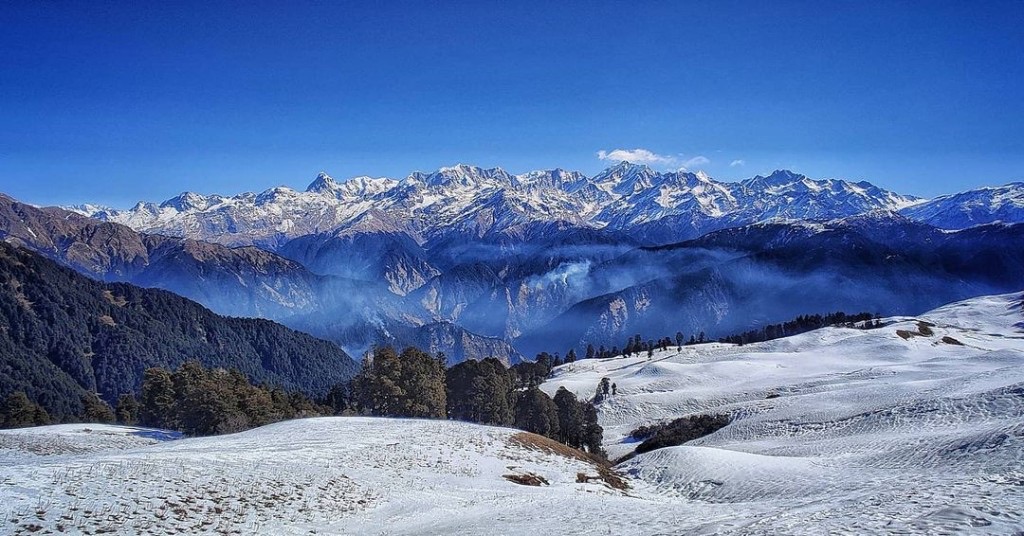
Uttarkashi rewards an extra half-day. Walk down to the Kashi Vishwanath temple and the Shakti temple that faces it, sit by the Bhagirathi as the light goes, and look in on the Nehru Institute of Mountaineering, which has trained generations of Indian climbers. The town is also the springboard for some of Garhwal's finest walks — the meadows of Dayara Bugyal above Raithal, the forest path to Dodital, and the hot springs at Gangnani on the way up to Gangotri. The places to visit in Uttarkashi guide has the full list.
When to book, and what comes next
The Gangotri season runs from the shrine's opening around late April or early May to its closing near Diwali, and Uttarkashi's rooms go quickest in the May–June rush and again in the September–October window after the monsoon; trekkers take up the shoulder weeks too. Hold a room as soon as your dates are fixed. Coming up the valley you will often have slept at Barkot for Yamunotri the night before; for the drive from the plains see Delhi to Uttarkashi, for the shrine itself the Gangotri and Gaumukh guide, and for the whole loop the Char Dham route guide.
Where to stay on this route
- Shiv Parivar ResortUttarkashifrom ₹5,859
- Harsil Village ResortHarsilfrom ₹5,161
- Hotel AashiyanaBarkotfrom ₹3,800
- Hotel MangalamBarkotfrom ₹4,200
Send us your dates
Before you go
- Sleep in Uttarkashi, not Gangotri — it is lower, open all year, and has fuel, ATMs, chemists and a hospital.
- Driving? Book the New Bypass Road side — parking is easier and the exit toward Gangotri avoids the bazaar lanes.
- Ask for an early breakfast; Gangotri is about 100 km and a slow half-day, so start soon after sunrise.
Good to know
- Uttarkashi sits at about 1,160 m on the Bhagirathi and is known as the Kashi of the North.
- Its Kashi Vishwanath temple, rebuilt in 1857, stands on the river bank facing a Shakti temple.
- The town is home to the Nehru Institute of Mountaineering, one of India's leading climbing schools.
Frequently asked questions
Where is the best place to stay for Gangotri?
Uttarkashi, for most people. It is a proper town at about 1,160 m, open the year round, with fuel, ATMs and a hospital, and it is about 100 km below Gangotri — close enough for a day trip to the shrine. Harsil, further up, suits those who want a night nearer Gangotri.
Which area of Uttarkashi should I book?
The New Bypass Road side if you are driving — parking is easy and the road out to Gangotri skips the town. The old town around Kashi Vishwanath is best if you want to walk to the temple, the ghat and the market, though the lanes are narrow and parking is tight.
Should I stay in Uttarkashi or Harsil for Gangotri?
Uttarkashi has the facilities — hospital, fuel, market and the most rooms — and works for a day trip to Gangotri. Harsil is smaller and about 75 km higher up the valley, so it suits travellers with a spare day who want to be closer to the shrine and the quiet.
Are Uttarkashi hotels open in winter?
Yes. Uttarkashi is a district town and stays open and reachable all year, even when the Gangotri shrine is closed after Diwali and the road beyond quietens under snow. Confirm heating and hot water for a winter stay.
When do Uttarkashi hotels get fully booked?
In the May–June and September–October Gangotri peaks, and over long weekends in the trek seasons. Book as soon as your dates are set, especially for the opening weeks and any weekend.
About the author
Pulp Hotels Team
The Pulp Hotels Team is the desk that runs Pulp Hotels and the verified properties on this route — Barkot, Uttarkashi, Harsil, Guptkashi, Joshimath, Badrinath and the Kedarnath valley. We deal with the owners of those hotels, and with the pilgrims staying in them, through every day of the season, and these guides are written and corrected from that work and from the official notices each season brings. Fares and opening dates change every year, so we leave them out on purpose and point you at the source instead.
Related guides
- Char Dham Yatra Route Guide: Order, Distances and Where to Stay
The Char Dham route in order: Yamunotri, Gangotri, Kedarnath, Badrinath, the distances between them and the best towns to sleep in on the way.
- Yamunotri and Gangotri: Barkot, Uttarkashi and Harsil Explained
Barkot to Janki Chatti is about 45 km and Barkot to Uttarkashi about 100 km. Where to sleep for Yamunotri and Gangotri: Barkot, Uttarkashi or Harsil.
- Char Dham Yatra Registration: How It Works and Where It Is Checked
Registration is compulsory, free, and the single most common reason pilgrims get turned back at a checkpost. Here is exactly how it works.
- The Best Time to Visit the Char Dham, Month by Month
May crowds, June heat in the plains, the monsoon shutdown and why October is the season's quiet secret.
- A 10-Day Char Dham Itinerary, Written Around Where You Sleep
Ten days, nine nights, four shrines — planned backwards from the beds rather than forwards from the temples, which is why it holds together.
- Starting the Char Dham from Haridwar: The First Day Nobody Plans For
Haridwar is where the yatra begins for most pilgrims, and day one out of it is longer and harder than anyone expects. Here is what the road actually does.