
Char Dham Yatra by Helicopter: What You Get, and What You Still Walk
Two entirely different things are sold as 'Char Dham by helicopter'. Knowing which one you are buying decides whether five days is realistic.
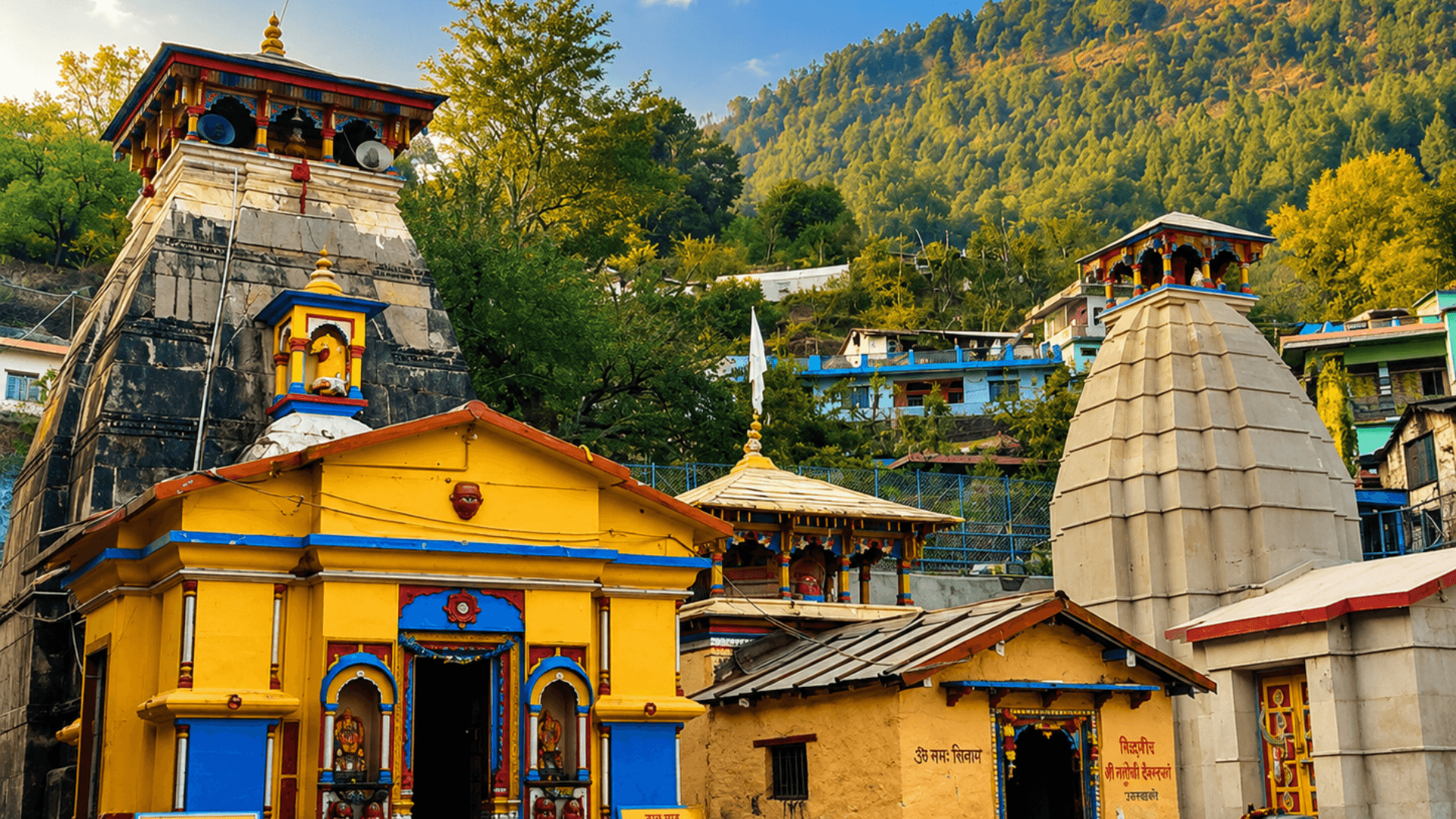
There are two products with the same name, and confusing them is the most common mistake people make with this trip.
- The Kedarnath shuttle — short hops from helipads on the valley floor up to Kedarnath and back, sold per seat. This is a way to skip one 16 km walk. It is not a Char Dham package.
- A full-circuit charter — a multi-day chartered tour, typically out of Dehradun, that flies you between all four shrines over several days. This is a different order of trip and a different order of cost.
Almost everyone searching for "Char Dham by helicopter" wants the second and ends up reading about the first.
The full-circuit charter
These run as fixed-departure or private charters, usually starting from Dehradun's helipad, and normally compress the whole yatra into around five days and four nights. The operator handles the flying, the ground transfers at each end, and the accommodation, and the priority darshan arrangements that make the schedule possible at all.
The rough shape is one shrine per day: Yamunotri, then Gangotri, then Kedarnath, then Badrinath, with nights on the ground near the helipads rather than at the shrines.
What you still do on foot
This is the part the brochures underplay. A helicopter lands at a helipad, not at a temple.
- Yamunotri — the helipad is well below the shrine. There is still a climb, usually done by pony or palki.
- Gangotri — a short walk from the pad to the temple. The easy one.
- Kedarnath — a few hundred metres uphill from the helipad to the temple, on stone, at roughly 3,580 m. Short, but not flat, and the altitude makes it feel longer than it is.
- Badrinath — the temple is essentially roadside from the landing point.
So: a helicopter yatra removes the long treks. It does not remove walking, and it certainly does not remove altitude.
Weather runs the schedule, not the operator
Mountain flying is grounded by cloud, rain and wind, and in Garhwal that means a compressed heli itinerary can lose a shrine to a bad morning. Good operators build in a contingency day or a road fallback; the cheap ones do not. Ask that question before you pay, because a five-day charter with no slack is a five-day charter that can end with three shrines.
Weight limits are real too. These are small aircraft and per-passenger weight is declared and checked, with surcharges above a threshold. Baggage allowance is small — think one soft bag.
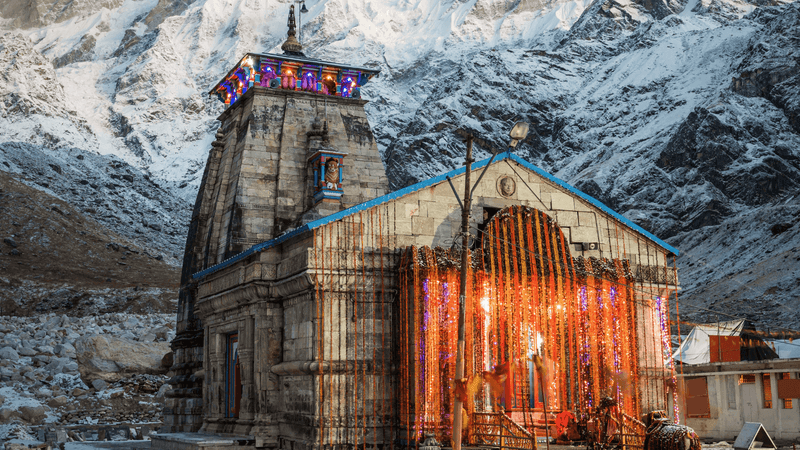
The Kedarnath shuttle, on its own
If what you actually want is to drive the circuit and only fly the hard bit, this is it. Shuttles operate from pads in the Mandakini valley — Phata, Sersi and Guptkashi are the usual names — and the state runs seat booking through an official portal, with operators allotted slots.
Two things to know. First, it sells out; it is the first component of the entire yatra to go, and the good weather windows go first. Second, book through the official channel rather than a WhatsApp forward — this is the single most impersonated booking on the circuit, every season.
Sleeping in Guptkashi the night before puts you within easy reach of all three pads. There is more detail in our Kedarnath helicopter booking guide.
Who the full charter is actually for
Be honest about which of these you are:
- Short on days, not on budget. Five days against ten or twelve is the entire proposition. If you cannot take twelve days off, this is the only way to see all four.
- Travelling with someone who cannot walk the treks but can manage short climbs at altitude — and note that qualifier carefully.
- Not, generally, a family with small children — the weight rules, the fixed schedule and the altitude jumps all cut against it.
The thing a charter genuinely costs you, beyond money, is the valleys. Ten days on the road is a trip through Garhwal; five days in the air is four temples with the country between them removed. Some pilgrims want exactly that. Others discover afterwards that the drive was the yatra.
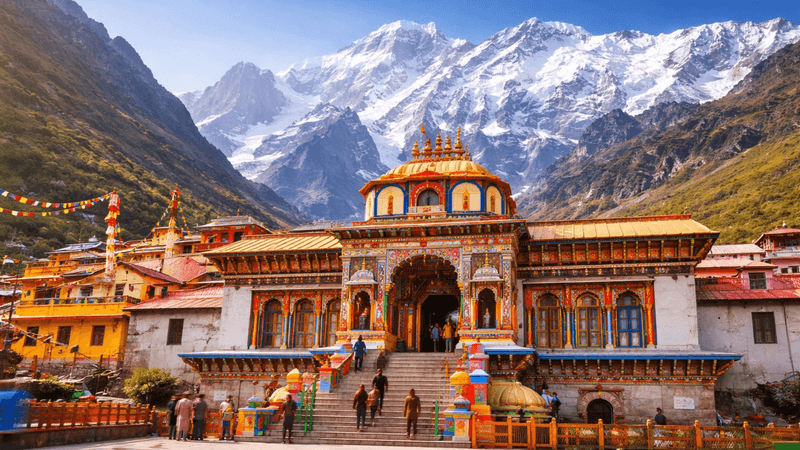
The middle path most people should consider
Drive the circuit, sleep in the valley towns, and fly only Kedarnath. You keep the road, you keep the towns, and you remove the single hardest day. Base yourself at Barkot, Harsil, Guptkashi and Joshimath, and add the shuttle for one morning.
Booking notes that hold every season
- Yatra registration applies to helicopter pilgrims exactly as it does to everyone else, and it is checked.
- Fares and package prices change season to season; take any figure you find online as indicative and confirm with the operator.
- Book the flying component before you book anything else — the ground arrangements can flex around it, and it cannot flex around them.
- Keep a night in Dehradun before a charter departure. These leave early, and a delayed flight into Jolly Grant should not cost you day one.
Before you go
- Two different products share the name: a per-seat Kedarnath shuttle, and a multi-day full-circuit charter from Dehradun.
- A helicopter lands at a helipad, not at a temple — Yamunotri and Kedarnath still involve a climb at the top.
- Ask any charter operator what happens to your itinerary when weather grounds a morning.
- Book the Kedarnath shuttle through the official portal; it is the most impersonated booking on the circuit.
Good to know
- A full-circuit charter compresses a ten-to-twelve day road yatra into roughly five days.
- Per-passenger weight is declared and verified before boarding, with surcharges above a threshold.
- The Kedarnath shuttles fly from valley-floor pads at Phata, Sersi and Guptkashi.
- Even by air, Kedarnath is reached with a short uphill walk from the helipad at around 3,580 m.
Frequently asked questions
How many days does the Char Dham Yatra by helicopter take?
Typically five days and four nights for a full-circuit charter, usually starting from Dehradun and covering one shrine per day. That compares with ten to twelve days by road.
Do you still have to walk if you take the helicopter?
Yes. Helipads are not temple courtyards. Gangotri and Badrinath are short walks, but Yamunotri still needs a climb, usually by pony or palki, and Kedarnath is a few hundred metres uphill from the pad at high altitude.
What happens if the weather grounds a helicopter?
The shrine can be lost from the itinerary. Mountain flying stops for cloud, rain and wind. Ask the operator before booking whether the package carries a contingency day or a road fallback, because the cheaper ones do not.
Is the Kedarnath helicopter the same as the Char Dham helicopter package?
No. The Kedarnath shuttle is a per-seat hop from the valley floor that saves you the 16 km trek on one day of an otherwise road-based yatra. The Char Dham package is a multi-day chartered tour covering all four shrines.
Is registration needed for a helicopter yatra?
Yes. Uttarakhand's yatra registration applies to every pilgrim regardless of how they travel, and it is verified.
Need a room on this route?
Every property on Pulp Hotels is verified before it goes live.