
Asthi Visarjan in Haridwar: The Ghat, the Pandas and What to Expect
Asthi visarjan in Haridwar: the Asthi Pravah Ghat at Har Ki Pauri, how to find your family panda in Kankhal, pind daan at Kushavarta and Narayani Shila.
For a great many Hindu families, Haridwar is where a parent or grandparent's last journey ends. The ashes and bones gathered after cremation, the asthi, are carried here and given to the Ganga, and the family's priest records the death in a register that may go back many generations. If you are coming for this, you are likely tired and grieving, and the town can feel crowded and confusing. This guide sets out where the rite is performed, who performs it, and how to make the day calmer.
Where asthi visarjan is done
The rite is performed at Har Ki Pauri, the main ghat of Haridwar, at the dedicated Asthi Pravah Ghat built for it beside the Brahmakund. The asthi are immersed in the Ganga with prayers led by a priest, usually after a short puja on the steps. Families who wish to perform shraddha or pind daan for the departed often go on to Kushavarta Ghat, a short walk south, or to the Narayani Shila temple, both long associated with rites for ancestors.
Finding your family's panda
Haridwar's pandas, the hereditary priests of the town, keep registers called vahis, in which the visits, births, marriages and deaths of families are recorded over generations. The pandas are organised by region: each looks after families from particular districts and villages, so the panda your family used before is found by your ancestral place, not by chance. Many of them have their seats in Kankhal and around Har Ki Pauri. If an elder in the family knows the panda's name or the register, bring it. If not, ask at the ghat for the panda who keeps the records for your district; the family entry can usually be traced. It is a remarkable thing to see your great-grandfather's name written in the same book.
What to bring
- The asthi, in a cloth bag or a small urn, kept clean and closed during the journey.
- The name of the departed, the date of death, the family's ancestral village and district, and the gotra if known.
- Plain clothes; many families wear white. A change of clothes and a towel if you will bathe.
- Some cash for the dakshina and the puja materials, which are sold at the ghat.
How the rite goes
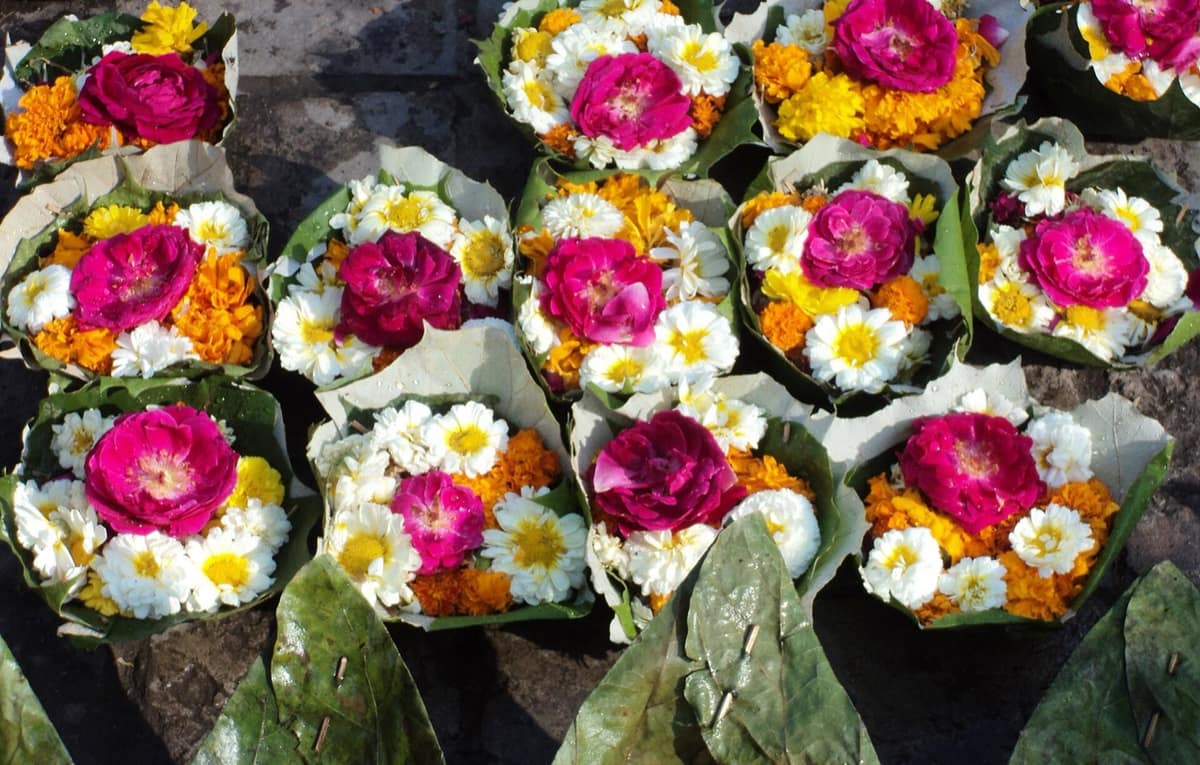
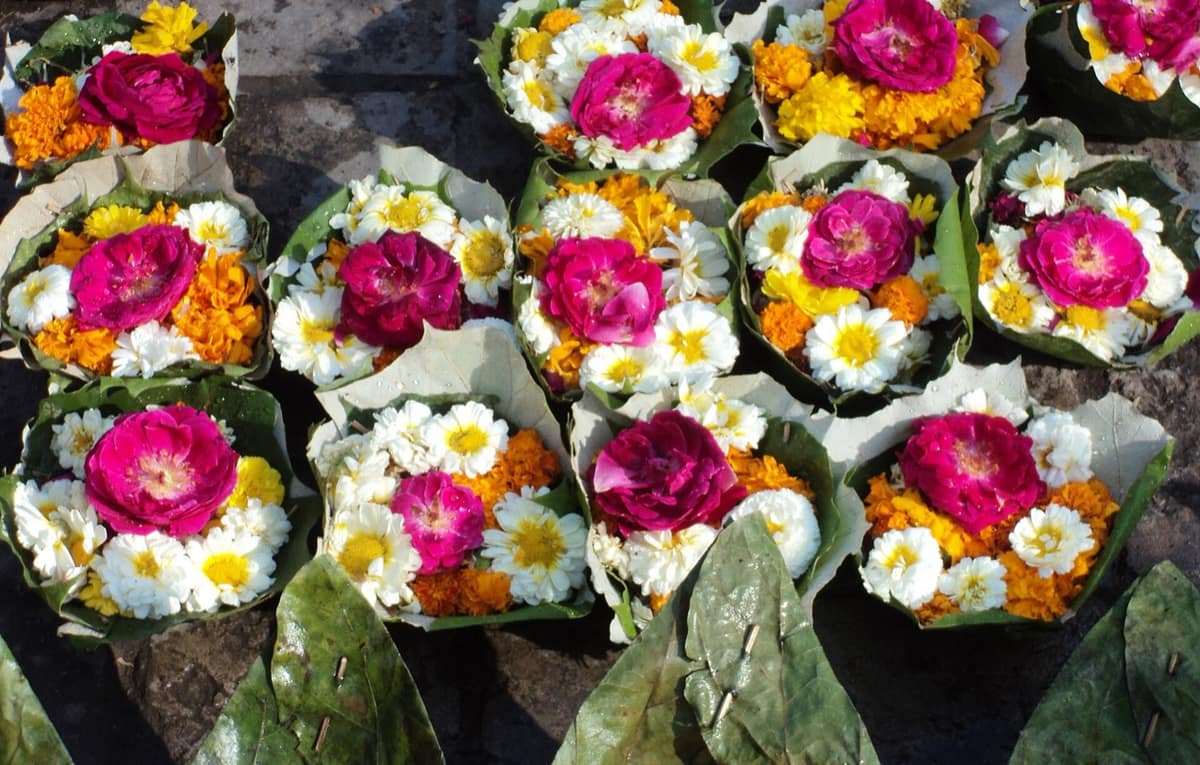
The priest begins with a sankalp naming the departed and the family, then a short puja with flowers, sesame and Ganga water. A family member, usually the one who performed the cremation, carries the asthi down the steps and releases them into the river while the priest recites. Many families then bathe. Afterwards the panda enters the death in the family's register, and you may be asked to sign it. The rite itself takes well under an hour; finding the panda and waiting your turn can take longer.
Timing and customs
Customs differ between communities and regions. Many families bring the asthi in the days after the cremation, often before the thirteenth-day rites, but there is no single rule; follow what your family and your priest advise. Early morning is the calmest time at Har Ki Pauri. On big bathing days, such as Kartik Purnima, Makar Sankranti, Somvati Amavasya and the Kumbh, the ghats are packed and vehicles are stopped far away, so choose another day if you can.
Practical points
Hold the chains when you step into the water; the current at Har Ki Pauri is strong. Keep valuables with someone on the steps. Agree the dakshina and the cost of materials before the puja starts, so there is no awkwardness afterwards, and be wary of anyone who approaches you outside the ghat offering to arrange everything. If no one in the family can travel, some temple trusts and priests offer to perform the rite on your behalf; ask for proof and a register entry.
Where to stay
For a dawn rite, stay within walking distance of Har Ki Pauri, since cars are stopped some way off on busy days. Families with elders may prefer the Rishikesh road or the Ranipur side, with easier parking and a short drive in. Our hotels in Haridwar page compares the areas, and our Har Ki Pauri guide explains the ghat and the evening aarti.
In Haridwar for the Ardh Kumbh Mela 2027 (14 January – 20 April)? See Kumbh Mela Haridwar 2027: dates, Amrit Snans and stays.
Where to stay on this route
- Hotel Tathastu The Castle ViewHaridwarfrom ₹3,000
- Vishnu Palace Residency Inn White FlowerHaridwarRates on request
Send us your dates
Before you go
- Bring the ancestral village, district and gotra to trace your family panda.
- Go early in the morning; avoid the big bathing days if you can.
- Agree the dakshina before the puja starts.
- Hold the chains in the water; the current at Har Ki Pauri is strong.
Good to know
- Haridwar's pandas keep family registers, vahis, that go back many generations.
- Pandas look after families by district and village of origin.
- The Asthi Pravah Ghat at Har Ki Pauri was built for this rite.
- Kushavarta Ghat and Narayani Shila are long associated with rites for ancestors.
Frequently asked questions
Where is asthi visarjan done in Haridwar?
At the Asthi Pravah Ghat at Har Ki Pauri, beside the Brahmakund, with prayers led by a priest.
How do I find my family panda in Haridwar?
Pandas look after families by ancestral district and village. Bring that, with any name an elder remembers, and ask at Har Ki Pauri or in Kankhal for the panda who keeps your district's registers.
What should I bring for asthi visarjan?
The asthi in a cloth bag or urn, the name and date of death of the departed, the family's village, district and gotra, plain clothes and cash for the dakshina.
Where can pind daan be done in Haridwar?
Kushavarta Ghat and the Narayani Shila temple are the places most associated with shraddha and pind daan for ancestors.
How long does asthi visarjan take?
The rite itself takes under an hour. Allow extra time for finding the panda and waiting your turn, especially on busy days.
About the author
Pulp Hotels Team
The Pulp Hotels Team is the desk that runs Pulp Hotels and the verified properties on this route — Barkot, Uttarkashi, Harsil, Guptkashi, Joshimath, Badrinath and the Kedarnath valley. We deal with the owners of those hotels, and with the pilgrims staying in them, through every day of the season, and these guides are written and corrected from that work and from the official notices each season brings. Fares and opening dates change every year, so we leave them out on purpose and point you at the source instead.
Related guides
- Where to Stay in Haridwar: Har Ki Pauri and the Quieter Streets
Where to stay in Haridwar: close to Har Ki Pauri for the Ganga aarti, or a few streets back for quiet and parking — what each trade-off really means, and how to book.
- Haridwar to Rishikesh: Bus, Train, Taxi and the Road Between
Haridwar to Rishikesh is about 25 km. The bus, the local train and the taxi compared, how long each really takes, where to stop on the way, and which part of Rishikesh to aim for.
- Do Dham Yatra: Kedarnath and Badrinath Without the Other Two
Do Dham Yatra for Kedarnath and Badrinath in six or seven days: the route, where to sleep, registration and when to go, from Haridwar or Rishikesh.
- A 10-Day Char Dham Itinerary, Written Around Where You Sleep
Ten days, nine nights, four shrines — planned backwards from the beds rather than forwards from the temples, which is why it holds together.
- Char Dham Yatra for Senior Citizens: Planning It So They Finish It
Two of the four shrines can be reached by car. The other two decide whether an older pilgrim completes the yatra or turns back at the trailhead.
- Starting the Char Dham from Haridwar: The First Day Nobody Plans For
Haridwar is where the yatra begins for most pilgrims, and day one out of it is longer and harder than anyone expects. Here is what the road actually does.