
Where to Stay in Rishikesh: Tapovan, the Ghats and the Quiet End
Where to stay in Rishikesh: Tapovan and Laxman Jhula for cafes and yoga, Muni Ki Reti for the riverside, the town for the station — and how to pick for your trip.
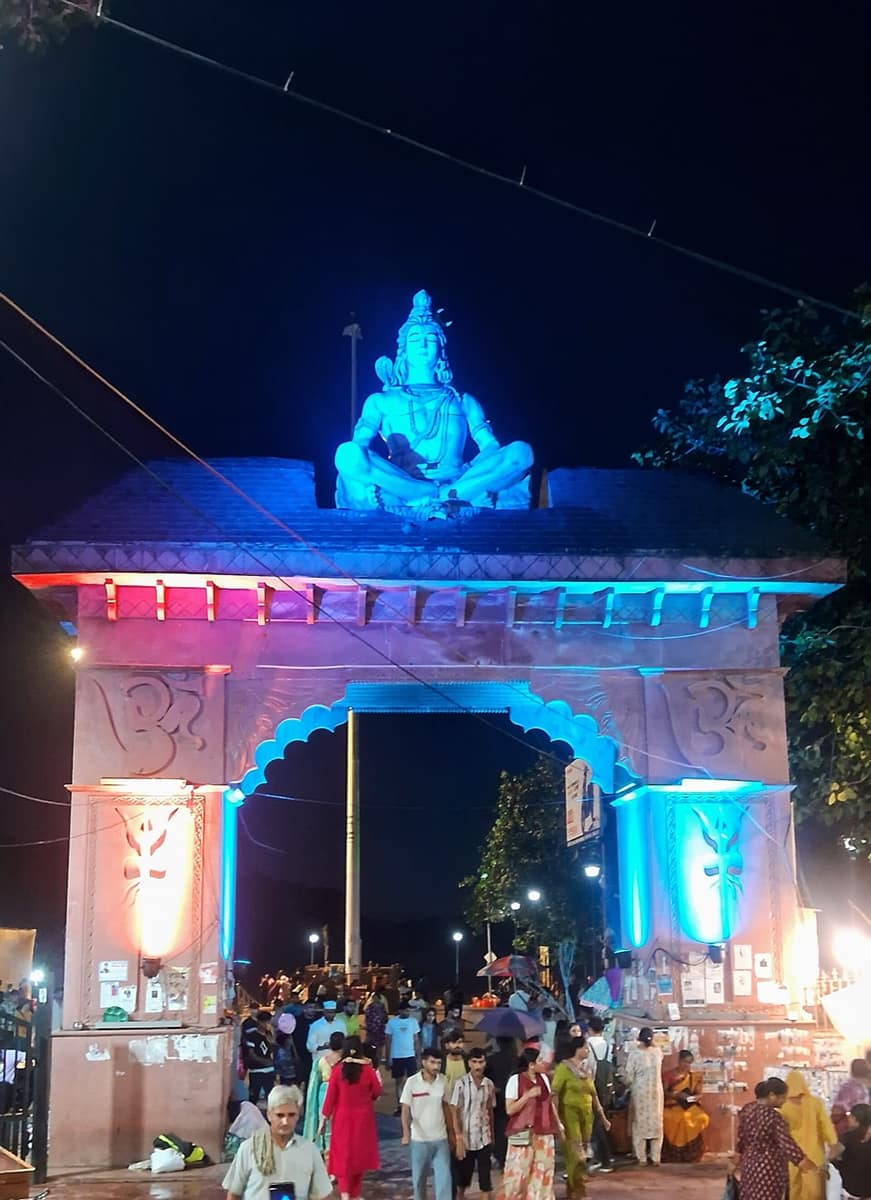
Rishikesh is really several towns that share a name, strung along both banks of the Ganga, and they feel completely different to stay in. Picking the right stretch matters more here than the hotel itself — a room that is perfect for a yoga retreat is the wrong room for someone catching a 5 a.m. shared jeep to Kedarnath.
The areas, and who each suits
Tapovan and Laxman Jhula — cafes, yoga, the traveller end
Up the hill on the west bank, Tapovan is the backpacker and yoga-school heart: cafes, German bakeries, drop-in classes, river views. It is walkable to Laxman Jhula and the lanes are busy and young. Stay here if you are in Rishikesh for the place itself. The hotels we list in Rishikesh sit around these pockets.
Muni Ki Reti and Swarg Ashram — the riverside and the ashrams
Quieter and more devotional, closer to the water and the evening Ganga aarti at Parmarth and Triveni Ghat. This is the calm choice — good for families, older travellers, and anyone who wants to sleep to the river rather than a cafe playlist.
The main town — station, bus stand, cheapest
Around the railway station and the bus stand, plain and functional, least scenic. Worth it only if you are arriving late or leaving at dawn and value the ten minutes you save.
If Rishikesh is your Char Dham launchpad
Most pilgrims start the Char Dham route from here, and the first day to Barkot or Uttarkashi is a long one. If that is you, sleep near your transport, not up in Tapovan — the half hour down to the stand in morning traffic is real. A night in Barkot is the usual next stop on the Yamunotri side.
What to expect from the rooms
Rishikesh runs the full range, from ashram dorms to riverside resorts, but the honest middle is a clean, simple room with a fan or AC and hot water. The town is an alcohol-and-meat-free zone, so do not expect a bar; do expect good vegetarian food everywhere. Book ahead for the International Yoga Festival week and the summer and autumn Char Dham peaks, when the riverside fills first.
Shivpuri and the camps upstream
If rafting is the reason for the trip, look upstream rather than in town. Most commercial runs start around Shivpuri, about 16 km up the Badrinath road, and the riverside camps out there — tents or simple cottages, meals included, a bonfire at night — put you at the put-in the next morning. The trade-off is distance: the ghats, the cafes and the evening aarti are a drive away, so a camp suits one or two nights of rafting rather than a whole Rishikesh stay. The rafting guide covers the stretches and the season.
Getting between the areas
Shared autos and vikrams run the west-bank road between the main town, Muni Ki Reti and Tapovan, and they are the cheap way to move around. The east bank is reached on foot across Ram Jhula, so a room in Swarg Ashram means carrying your bags the last stretch. Taxis wait at the main stands for longer hops, such as the airport or Haridwar.
Arriving by air or train? Most people land at Dehradun, 45 minutes away, and taxi across.
Where to stay on this route
- Aroha Residency Inn White FlowerRishikeshRates on request
- Hotel AashiyanaBarkotfrom ₹3,800
- Hotel MangalamBarkotfrom ₹4,200
- Shivoham RetreatDehradunfrom ₹3,500
Send us your dates
Before you go
- Sleep near the bus stand or main town if you have an early Char Dham departure — Tapovan is a slow half-hour down in morning traffic.
- Rishikesh is an alcohol- and meat-free zone; plan for vegetarian food and no bar.
- Book the riverside early for the Yoga Festival week and the summer and autumn yatra peaks.
Good to know
- Rishikesh spreads across both banks of the Ganga, linked by the Ram Jhula and Laxman Jhula footbridges.
- The evening Ganga aarti at Parmarth Niketan and Triveni Ghat draws crowds every day, not just on festivals.
- It is widely called the yoga capital of the world, with hundreds of registered schools.
Frequently asked questions
Which is the best area to stay in Rishikesh?
Tapovan and Laxman Jhula for cafes, yoga and river views; Muni Ki Reti and Swarg Ashram for a quieter, more devotional riverside stay; the main town only if you need to be near the station or bus stand.
Is Laxman Jhula or Tapovan better to stay in?
They adjoin each other on the west bank and share the same cafe-and-yoga character. Tapovan has more stay options and eating; Laxman Jhula puts you right by the bridge and the river.
Where should I stay in Rishikesh before the Char Dham Yatra?
Near the bus stand or main town, so an early departure does not start with a slow drive down from the hillside areas. Barkot or Uttarkashi is the usual next night.
About the author
Pulp Hotels Team
The Pulp Hotels Team is the desk that runs Pulp Hotels and the verified properties on this route — Barkot, Uttarkashi, Harsil, Guptkashi, Joshimath, Badrinath and the Kedarnath valley. We deal with the owners of those hotels, and with the pilgrims staying in them, through every day of the season, and these guides are written and corrected from that work and from the official notices each season brings. Fares and opening dates change every year, so we leave them out on purpose and point you at the source instead.
Related guides
- Starting the Char Dham from Haridwar: The First Day Nobody Plans For
Haridwar is where the yatra begins for most pilgrims, and day one out of it is longer and harder than anyone expects. Here is what the road actually does.
- Delhi to Barkot: How to Reach the Yamunotri Base
Delhi to Barkot is a little over 400 km via Dehradun. The road route and the two ways up, the nearest railhead, the airport, and why to break the drive.
- Char Dham Yatra Route Guide: Order, Distances and Where to Stay
The Char Dham route in order: Yamunotri, Gangotri, Kedarnath, Badrinath, the distances between them and the best towns to sleep in on the way.
- Yamunotri and Gangotri: Barkot, Uttarkashi and Harsil Explained
Barkot to Janki Chatti is about 45 km and Barkot to Uttarkashi about 100 km. Where to sleep for Yamunotri and Gangotri: Barkot, Uttarkashi or Harsil.
- Char Dham Yatra Registration: How It Works and Where It Is Checked
Registration is compulsory, free, and the single most common reason pilgrims get turned back at a checkpost. Here is exactly how it works.
- Do Dham Yatra: Kedarnath and Badrinath Without the Other Two
Do Dham Yatra for Kedarnath and Badrinath in six or seven days: the route, where to sleep, registration and when to go, from Haridwar or Rishikesh.