
Where to Stay in Barkot: The Yamunotri Base Town
Where to stay in Barkot, the base town for Yamunotri: why you sleep here rather than at Janki Chatti, the areas, what the rooms are like, and when to book.
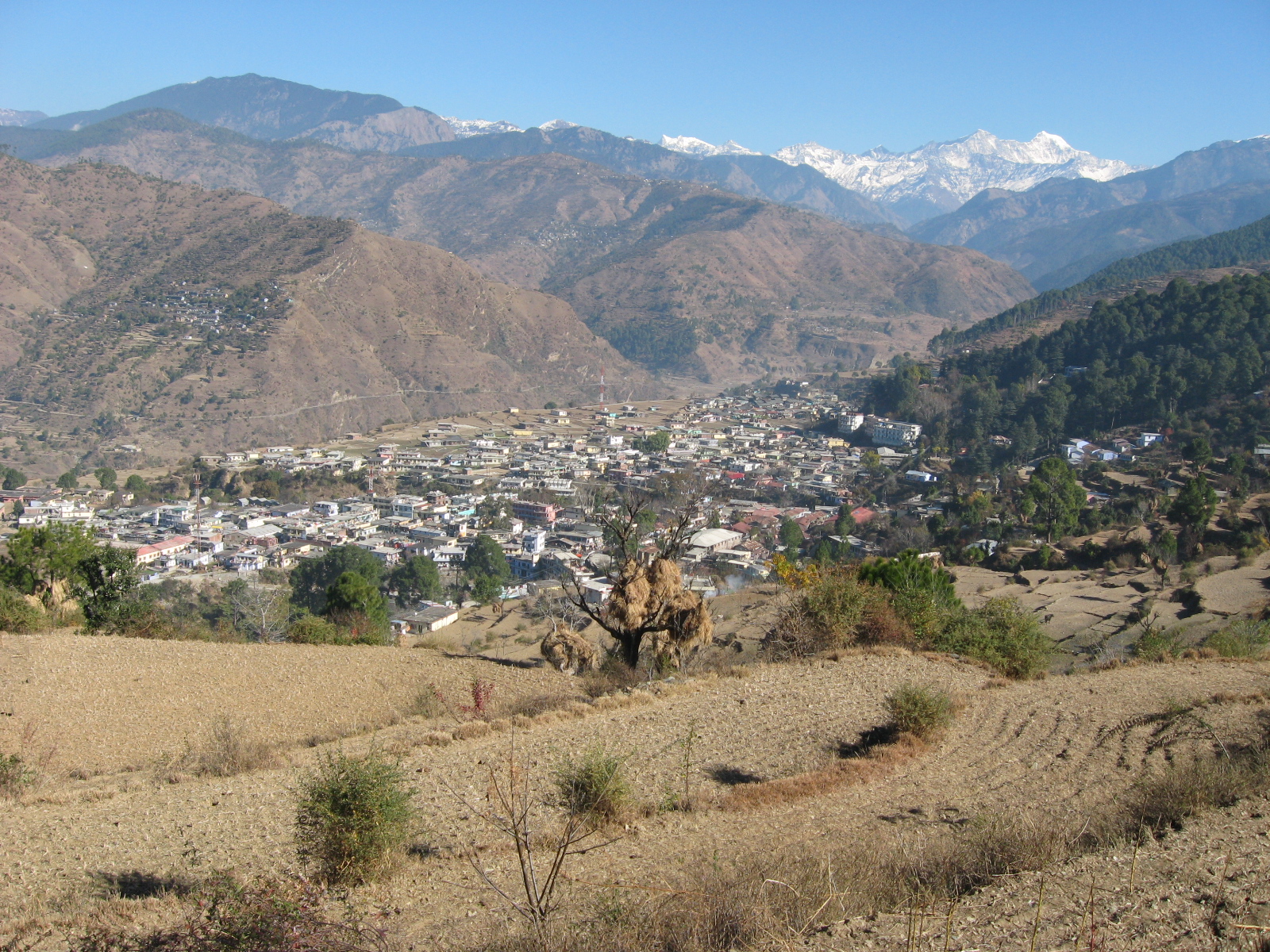
Yamunotri is the one Char Dham shrine with no town at its feet: the road ends at Janki Chatti, and the temple is a 6 km climb above that. So "where to stay" really becomes "which town do I drive back down to each night," and for almost everyone the answer is Barkot. It sits about 45 km below Janki Chatti at roughly 1,220 m — low enough to rest properly, close enough to reach the trailhead soon after dawn.
Why sleep in Barkot, not higher up
Janki Chatti is a trailhead, not a base. The handful of rooms up there, above 2,300 m, fill early and leave you far from a market, fuel or a cash machine. Barkot is the last proper town on this arm of the yatra — a working bazaar with shops, a fuel pump, ATMs, reliable phone signal and by far the widest choice of rooms. You wake in Barkot, drive up to Janki Chatti, walk to the shrine and come back the same day. The hotels we list in Barkot are built around exactly that day.
The areas, and the one trade-off
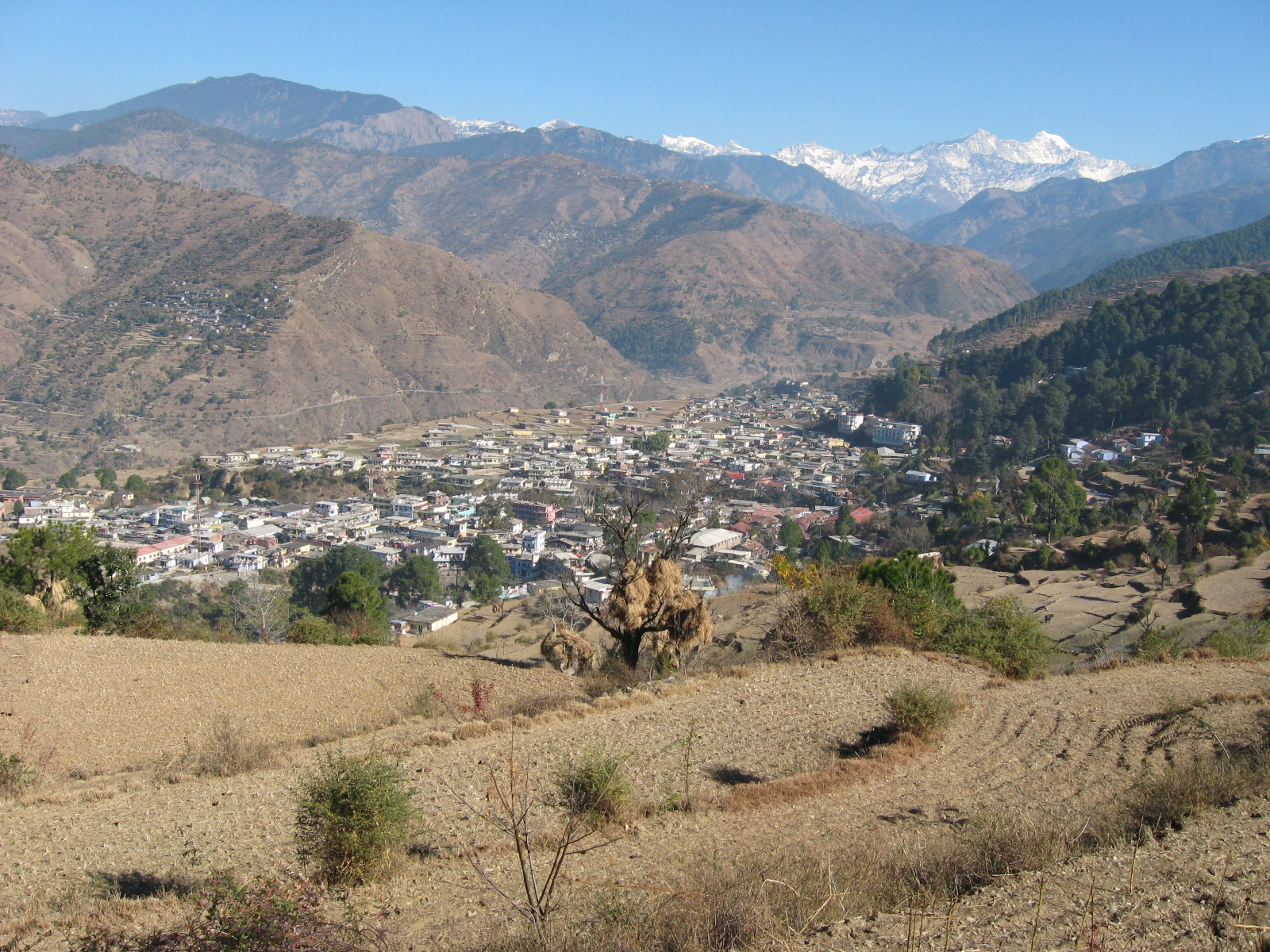
Barkot is strung along the highway at the point where the Yamunotri road and the road onward to Uttarkashi and Gangotri part ways. The town is small, so "which area" comes down to a single choice.
| Where | Good for | Trade-off |
|---|---|---|
| Along the market and main road | An easy, early start — steps from taxis, food and supplies | Busier and noisier, most of all in peak weeks |
| The river side and outer edge | Quiet nights, with Yamuna and valley views | A short hop into the bazaar for anything you forgot |
Nothing is far from anything else here, so the honest deciding factor is whether you would rather have a silent night or a doorstep departure.
What the rooms are like
These are ordinary hill-town rooms held to ordinary hill-town standards: a clean bed, hot water that genuinely matters on a cold morning, a vegetarian kitchen, often a view down the valley. A few properties run to a little more comfort, but the job each of them does is the same — a warm, restful night before a hard walk. Ask the night before for an early or packed breakfast, because you will want to be rolling toward Janki Chatti not long after first light.
More than a stopover
Barkot is worth more than a bed. The town sits on the young Yamuna among apple orchards and deodar slopes, and an evening by the river, with the ridges turning pink above the water, is a gentle way to loosen tired legs before the climb. There is a small market for last supplies — a walking stick, dry fruit, a warm cap — and a few temples and viewpoints on the outskirts if you have a spare half-day. It is a calmer, greener night than the crowded shrine towns higher up.
When to book, and what comes next
The Yamunotri season runs from the shrine's April or May opening to its closing around Diwali, and Barkot's rooms sell quickest in the May–June and post-monsoon peaks. Hold a room the week your dates are settled. Many pilgrims carry straight on from here toward Gangotri: Uttarkashi is about 100 km on and the usual next base. For the walk itself, read the Yamunotri trek guide; for the drive up from the plains, the Delhi to Barkot guide; and the full route guide shows where Barkot sits in a four-shrine trip.
Where to stay on this route
- Hotel AashiyanaBarkotfrom ₹3,800
- Hotel MangalamBarkotfrom ₹4,200
- Shiv Parivar ResortUttarkashifrom ₹5,859
Send us your dates
Before you go
- Sleep in Barkot, not at Janki Chatti — it is lower, warmer and has the market, fuel and rooms.
- Ask for an early or packed breakfast; you want to leave for Janki Chatti soon after first light.
- Book the week your dates are set — Barkot fills fast in the May–June and post-monsoon peaks.
Good to know
- Barkot sits at about 1,220 m, roughly 45 km below Janki Chatti, the Yamunotri trailhead.
- It is the last town with a bazaar, fuel and ATMs before the Yamunotri road ends.
- The road to Uttarkashi and Gangotri branches at Barkot, making it a junction as well as a base.
Frequently asked questions
Where is the best place to stay for Yamunotri?
Barkot, in almost every case. It is low enough at about 1,220 m to sleep well, has the market, fuel and ATMs, and is about 45 km from Janki Chatti — close enough to reach the trailhead soon after dawn.
Should I stay in Barkot or at Janki Chatti?
Barkot. Janki Chatti is the trailhead, with few rooms above 2,300 m and little around it. Barkot is the proper town, so you sleep comfortably and drive up the 45 km in the morning.
Which area of Barkot should I book?
The market and main-road side for an early start close to taxis and food, or the quieter river side and outer edge for a peaceful night with valley views. The town is small, so neither is far from the other.
When do Barkot hotels get fully booked?
In the May–June and post-monsoon Yamunotri peaks they fill fast. Book as soon as your yatra dates are fixed, especially for weekends and the opening weeks.
Can I stay in Barkot and visit Gangotri too?
Barkot is the base for Yamunotri; for Gangotri most people move on to Uttarkashi, about 100 km further, which the road out of Barkot leads straight to.
About the author
Pulp Hotels Team
The Pulp Hotels Team is the desk that runs Pulp Hotels and the verified properties on this route — Barkot, Uttarkashi, Harsil, Guptkashi, Joshimath, Badrinath and the Kedarnath valley. We deal with the owners of those hotels, and with the pilgrims staying in them, through every day of the season, and these guides are written and corrected from that work and from the official notices each season brings. Fares and opening dates change every year, so we leave them out on purpose and point you at the source instead.
Related guides
- Delhi to Barkot: How to Reach the Yamunotri Base
Delhi to Barkot is a little over 400 km via Dehradun. The road route and the two ways up, the nearest railhead, the airport, and why to break the drive.
- Char Dham Yatra Route Guide: Order, Distances and Where to Stay
The Char Dham route in order: Yamunotri, Gangotri, Kedarnath, Badrinath, the distances between them and the best towns to sleep in on the way.
- Yamunotri and Gangotri: Barkot, Uttarkashi and Harsil Explained
Barkot to Janki Chatti is about 45 km and Barkot to Uttarkashi about 100 km. Where to sleep for Yamunotri and Gangotri: Barkot, Uttarkashi or Harsil.
- Char Dham Yatra Registration: How It Works and Where It Is Checked
Registration is compulsory, free, and the single most common reason pilgrims get turned back at a checkpost. Here is exactly how it works.
- What a Char Dham Yatra Actually Costs, Line by Line
Where the money really goes on a ten-day yatra — transport, rooms, the helicopter, ponies and the costs nobody budgets for.
- The Best Time to Visit the Char Dham, Month by Month
May crowds, June heat in the plains, the monsoon shutdown and why October is the season's quiet secret.