
Snowfall in Uttarakhand: Where to See Snow This Winter, and When
Where to see snowfall in Uttarakhand: Auli, Chopta, Harsil, Dhanaulti and Landour, when the snow usually falls, the roads to check and where to stay.
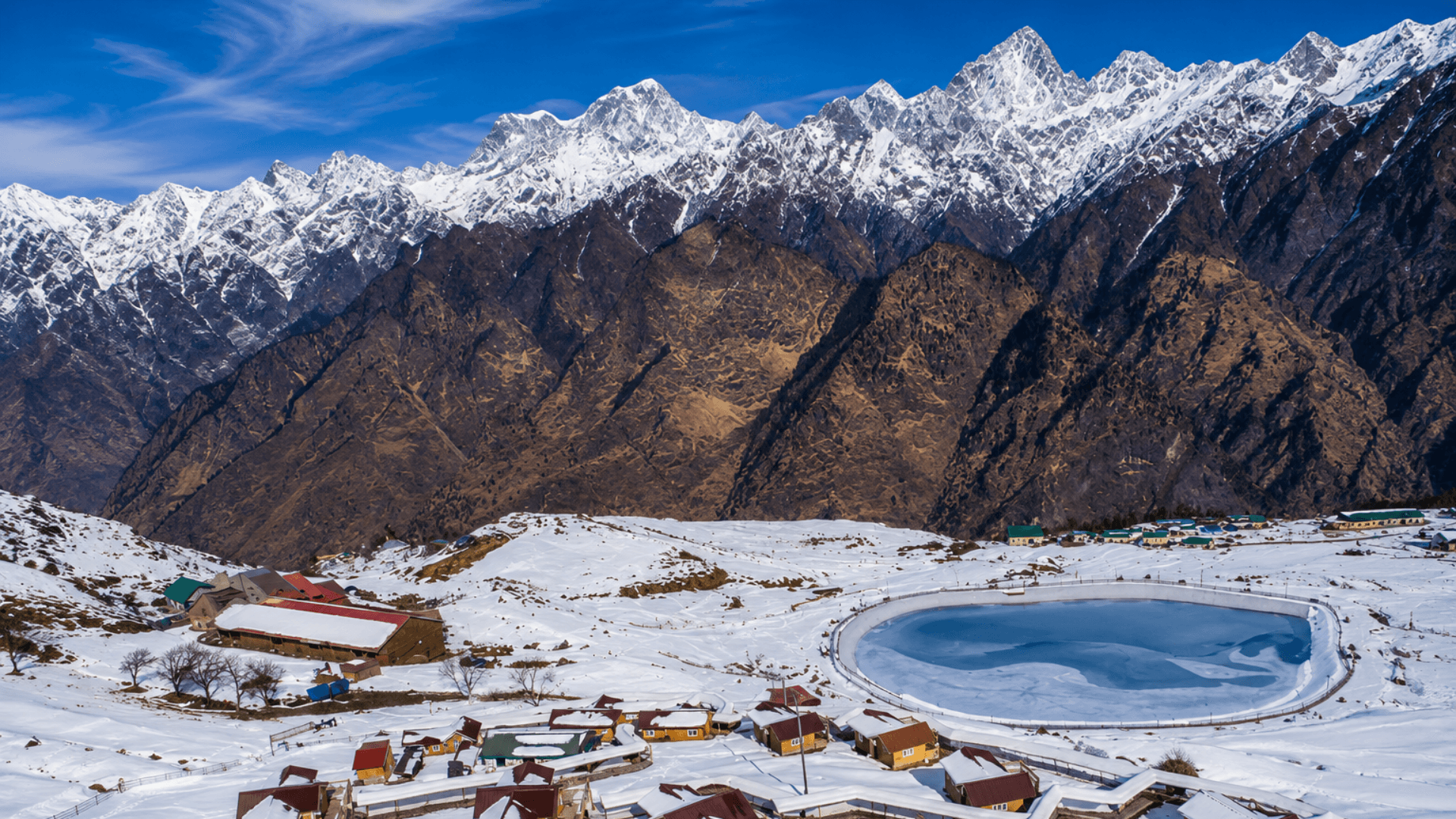
Snow in Uttarakhand is a question of height and timing. Above about 2,500 metres it settles every winter; between 2,000 and 2,500 metres it comes and goes with each western disturbance; below that, in Dehradun or Rishikesh, it never falls at all. Pick a place by height and by how easy the road is in winter, and stay somewhere you can reach even after a heavy fall.
When does it snow?
The first snow on the high places usually comes in December, and the most reliable spell is from late December to February, when weather systems from the west bring two or three days of cloud and snow at a time. March can still bring fresh falls higher up. No date is guaranteed: watch the India Meteorological Department's forecast for Uttarakhand a few days out, and be ready to move your trip by a day or two.
Where to see snow in Uttarakhand
| Place | Height, roughly | Snow | Stay |
|---|---|---|---|
| Auli | 2,500 to 3,000 m | Settled snow most winters; skiing slopes | Auli, or Joshimath 16 km below |
| Chopta | About 2,700 m | Deep snow in mid-winter; road can close | Chopta camps, or Ukhimath and Guptkashi |
| Harsil | About 2,600 m | Regular snow in the valley; a quiet winter village | Harsil, if the road is open |
| Dhanaulti | About 2,300 m | Snow after most winter storms | Mussoorie, about 25 km away |
| Landour, Mussoorie | About 2,200 m | A few snowy days in a good winter | Mussoorie |
| Chakrata | About 2,100 m | Snow on the higher ridges | Chakrata |
Auli: the surest snow
Auli's meadows above Joshimath hold snow through most of January and February, and it is the only place in the state with proper ski slopes and courses. The road climbs from Joshimath; the ropeway runs when it is in service, so ask before you go. Stay in Joshimath if you want shops, more rooms and an easier drive out after a storm. Our Auli guide covers the slopes, and hotels in Joshimath lists verified stays with real photos.
Chopta: snow on the way to Tungnath
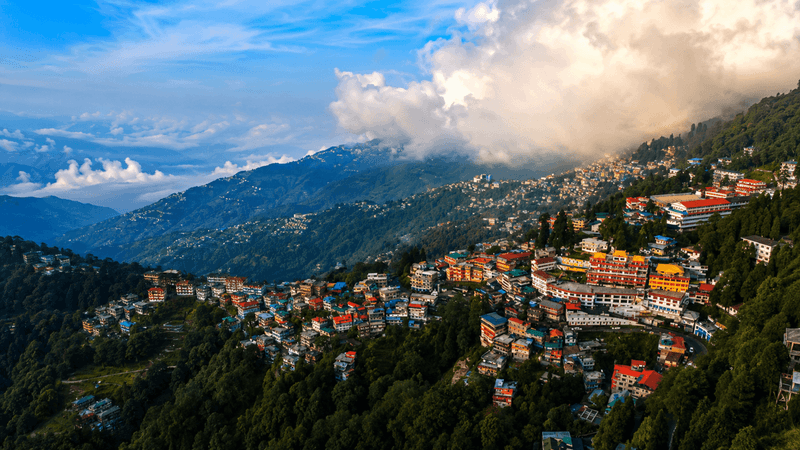
Chopta's forests and meadows lie under deep snow in mid-winter. Tungnath temple is closed from around Diwali, when the deity moves down to Makkumath, but the walk towards it in snow is still popular with fit walkers going with a local guide. The road from Ukhimath can be blocked for days after a heavy fall, so keep a spare day. Read our Tungnath and Chandrashila guide, and see hotels in Guptkashi for a lower base that stays open all winter.
Harsil: a snowbound village on the Bhagirathi
Harsil, in its apple orchards below Gangotri, turns white most winters, and Mukhba across the river is where Gangotri's goddess spends the winter. The temple at Gangotri is closed and the road beyond Harsil is usually shut, so Harsil itself is the destination. Ask about the road from Uttarkashi before setting out. See hotels in Harsil, and our winter Char Dham guide for darshan at Mukhba.
Mussoorie, Landour and Dhanaulti: snow close to Delhi
For a short trip, Mussoorie is the easiest. The town itself gets a few snowy days in a good winter, Landour above it more, and Dhanaulti, about 25 km further on, more again. On the day after a snowfall the road to Dhanaulti and the lanes of Landour fill with cars and can jam for hours, so go early and come back before dark. See hotels in Mussoorie, and our Christmas and New Year in Mussoorie guide for the busiest week.
Driving in the snow
- Hire a local driver used to winter roads, or carry snow chains and know how to fit them.
- Black ice forms on shaded bends in the early morning; drive in the middle of the day.
- Roads close after heavy falls until they are cleared, so keep one day spare at the end of the trip.
- Mobile signal and ATMs are patchy higher up: carry cash and download maps.
- Take layers, waterproof shoes, gloves and a woollen cap; nights fall well below freezing.
Where to stay
Book a room with heating, hot water you can rely on, and a road that is cleared quickly: Joshimath for Auli, Guptkashi or Ukhimath for Chopta, Mussoorie for Landour and Dhanaulti. Ask the hotel about the road and power backup the day before you set off; they will know before any website does.
Where to stay on this route
- Hotel Divine ResidencyJoshimathfrom ₹3,999
- Hotel Dhanesh, JoshimathJoshimathfrom ₹3,000
- Shri Tritham ResidencyGuptkashifrom ₹4,000
- Shree Kaidar Villa Barasu GuptkashiGuptkashifrom ₹3,000
Before you go
- Late December to February is the most reliable time for snow; no date is guaranteed.
- Keep one day spare: roads close after heavy falls until they are cleared.
- Drive in the middle of the day; black ice forms on shaded bends in the morning.
- Ask your hotel about the road and power backup the day before you set off.
Good to know
- Auli is the only place in Uttarakhand with ski slopes and ski courses.
- Gangotri's goddess spends the winter at Mukhba, across the river from Harsil.
- Tungnath's deity moves down to Makkumath for the winter.
- Snow almost never falls in Dehradun, Haridwar or Rishikesh.
Frequently asked questions
Where can I see snowfall in Uttarakhand?
Auli is the most reliable, followed by Chopta, Harsil, Dhanaulti, Landour in Mussoorie and Chakrata. Higher places such as Kedarnath and Badrinath get heavy snow but are closed in winter.
When does it snow in Uttarakhand?
Usually from December to February, with the most reliable spell from late December to February; March can still bring snow higher up. Check the IMD forecast a few days before you travel.
Does it snow in Mussoorie?
In a good winter, on a few days, usually between late December and February. Landour above the town and Dhanaulti, about 25 km away, get more snow.
Where should I stay to see snow in Auli?
In Auli itself, or in Joshimath, 16 km below, which has more rooms and shops and an easier drive out after a storm.
Is it safe to drive to the snow in Uttarakhand?
Yes, with care: hire a local driver or carry chains, drive in the middle of the day to avoid black ice, and keep a spare day in case a road closes.
About the author
Pulp Hotels Team
The Pulp Hotels Team is the desk that runs Pulp Hotels and the verified properties on this route — Barkot, Uttarkashi, Harsil, Guptkashi, Joshimath, Badrinath and the Kedarnath valley. We deal with the owners of those hotels, and with the pilgrims staying in them, through every day of the season, and these guides are written and corrected from that work and from the official notices each season brings. Fares and opening dates change every year, so we leave them out on purpose and point you at the source instead.
Related guides
- Winter Char Dham Yatra: Ukhimath, Pandukeshwar, Mukhba and Kharsali, and Where to Stay
When the four shrines close in November, the deities come down to winter seats you can reach by road. Where each one goes, how to plan the winter yatra, and where to stay near each seat.
- Do Dham Yatra: Kedarnath and Badrinath Without the Other Two
Do Dham Yatra for Kedarnath and Badrinath in six or seven days: the route, where to sleep, registration and when to go, from Haridwar or Rishikesh.
- A 10-Day Char Dham Itinerary, Written Around Where You Sleep
Ten days, nine nights, four shrines — planned backwards from the beds rather than forwards from the temples, which is why it holds together.
- Char Dham Yatra for Senior Citizens: Planning It So They Finish It
Two of the four shrines can be reached by car. The other two decide whether an older pilgrim completes the yatra or turns back at the trailhead.
- Char Dham Yatra by Helicopter: What You Get, and What You Still Walk
Two entirely different things are sold as 'Char Dham by helicopter'. Knowing which one you are buying decides whether five days is realistic.
- Starting the Char Dham from Haridwar: The First Day Nobody Plans For
Haridwar is where the yatra begins for most pilgrims, and day one out of it is longer and harder than anyone expects. Here is what the road actually does.