
Delhi to Badrinath: The Route, the Stops and How Long It Takes
Delhi to Badrinath is about 530 km, almost all of the hard part after Rishikesh. The road route leg by leg, where to break it, the railheads and airport, and the season.
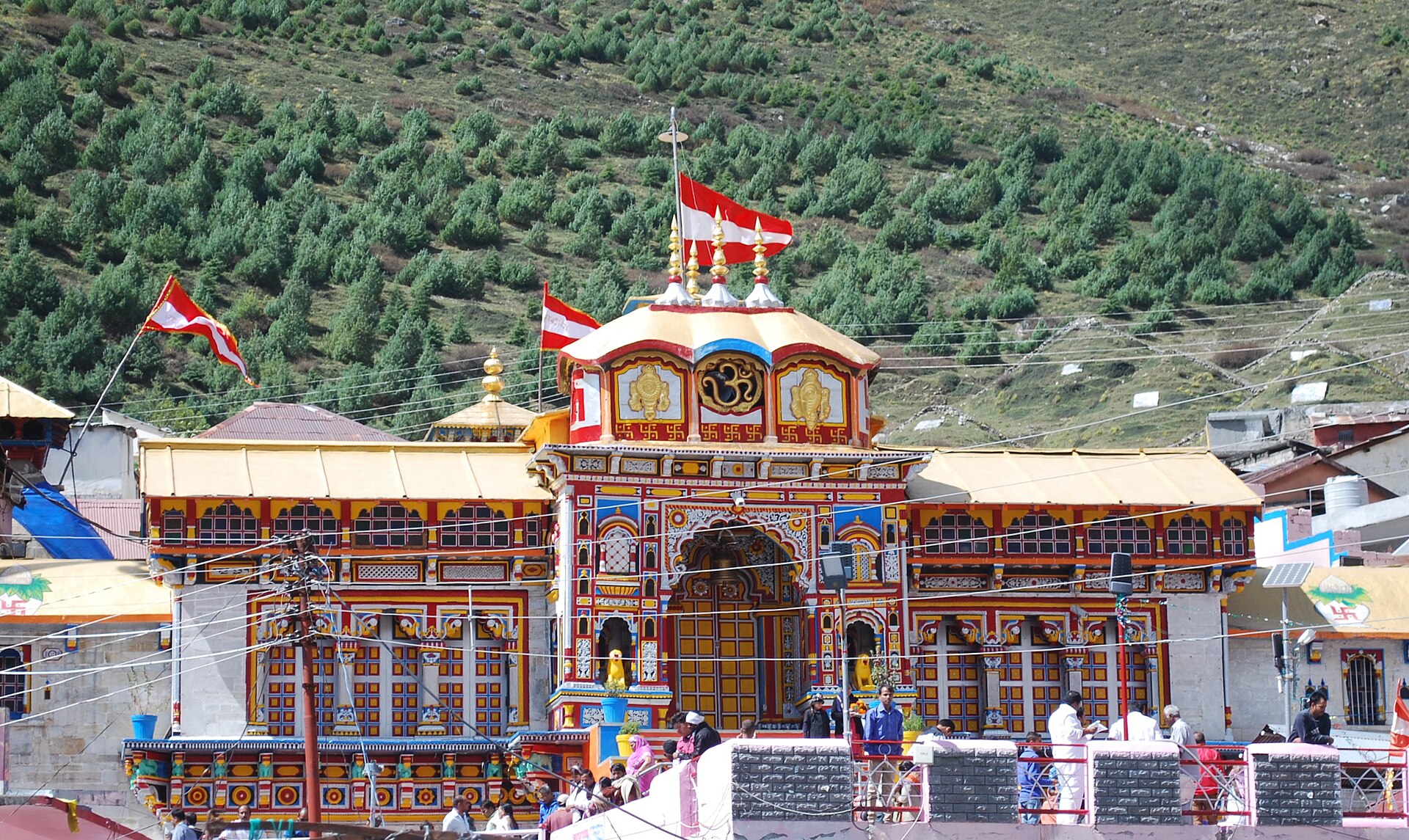
Badrinath is about 530 km from Delhi by road, and the number hides how the trip really goes. The first 240 km to Rishikesh are plains and expressway; the remaining 295 km follow the Alaknanda through a chain of river towns, and that half takes far longer than the first. Almost nobody does it in a day. The workable plan is two or three days, with a night high up the valley before the temple.
The road, leg by leg
These are road distances and realistic times for a car in normal conditions, not the optimistic figures a map app gives for hill roads.
| Leg | Distance | Rough time |
|---|---|---|
| Delhi → Rishikesh (via Haridwar) | about 240 km | 5–6 hours |
| Rishikesh → Rudraprayag (via Devprayag, Srinagar) | about 140 km | 4–5 hours |
| Rudraprayag → Joshimath (via Karnaprayag, Chamoli) | about 110 km | 4–5 hours |
| Joshimath → Badrinath | about 45 km | 1.5–2 hours |
Where to break the journey
The comfortable shape is three days. Day one is Delhi to Rishikesh or Haridwar, by road or train. Day two is the long valley day, from Rishikesh to Joshimath. Day three is an early start for the last 45 km, darshan, and either a night at Badrinath or a return to Joshimath. If you start from Rishikesh at dawn, it is possible to reach Badrinath on day two, but it is a twelve-hour day on mountain roads and leaves no margin for a closure.
At Rudraprayag the road divides: the Mandakini valley turns off toward Kedarnath, and the Badrinath road carries straight on up the Alaknanda. Pilgrims doing both shrines usually do Kedarnath first and cross to Joshimath via Chopta; the Do Dham guide lays out that version.
On the road
The Badrinath highway has been widened along most of its length, but it still has known slide zones, especially beyond Joshimath around Lambagad, where the road can close for hours after rain. Drive in daylight, start early, and keep a spare half-day in any plan. In the July–September monsoon, closures are routine; ask locally before setting out each morning. Fuel and cash machines thin out after Srinagar, so fill up and carry some cash. The confluences you pass — Devprayag, Rudraprayag, Karnaprayag, Nandprayag and Vishnuprayag — are worth a short stop each; the Panch Prayag guide explains them.
By train, then road
No railway reaches Badrinath. A line to Karnaprayag is being built, but until it carries passengers the railheads are Rishikesh, Haridwar and Dehradun, all around 300 km away. Haridwar and Dehradun have the most trains from Delhi. Taking an overnight or early train and starting the hill drive the next morning gives the same three-day shape with less driving.
By air
The nearest airport is Dehradun's Jolly Grant, about 315 km by road, with daily flights from Delhi. During the season, private helicopter operators also sell Badrinath packages from Dehradun; these are charters, not a scheduled service, so book them directly with the operator and keep a road plan in case of weather.
When the road and the temple are open
The temple is open from late April or May to November. In 2026 it closes on 16 November, and the date for reopening in 2027 is announced on Basant Panchami, 11 February 2027. Registration for the yatra is compulsory in season; see the registration guide before you leave Delhi.
On arrival
Badrinath sits above 3,100 m, so take the first evening easy. Rooms are few and fill in the peak weeks; the where to stay in Badrinath guide explains the areas, with Joshimath as the dependable fallback.
Booking the yatra? See Char Dham Yatra hotels, stop by stop.
Where to stay on this route
- Hotel Divine GangaBadrinathfrom ₹5,200
Send us your dates
Before you go
- Plan Delhi to Badrinath over three days: Rishikesh, then Joshimath, then the last 45 km to the temple.
- Drive hill legs in daylight and keep a spare half-day; the road beyond Joshimath has slide zones such as Lambagad.
- Badrinath has no railway: use Haridwar, Rishikesh or Dehradun, all around 300 km away.
- Register for the yatra before leaving Delhi; the temple closes for winter on 16 November 2026.
Good to know
- Badrinath is about 530 km from Delhi, and more than half of that is the climb up the Alaknanda valley.
- The road to Badrinath passes all five of the Panch Prayag confluences of the Alaknanda.
- At Rudraprayag the Kedarnath road leaves up the Mandakini, while the Badrinath road keeps to the Alaknanda.
Frequently asked questions
How far is Badrinath from Delhi?
About 530 km by road: roughly 240 km to Rishikesh, then about 295 km up the Alaknanda valley. Most people take two or three days, sleeping at Joshimath before the last 45 km.
Which is the nearest railway station to Badrinath?
Rishikesh, Haridwar or Dehradun, each around 300 km away. A line to Karnaprayag is under construction but does not yet carry passengers.
Can I reach Badrinath from Delhi in one day?
Not sensibly. Even from Rishikesh, Badrinath is a twelve-hour mountain drive. Break it at Rishikesh and Joshimath, and keep a spare half-day for road closures.
When is Badrinath open?
From late April or May until November. In 2026 the temple closes on 16 November; the 2027 opening date is announced on Basant Panchami, 11 February 2027.
About the author
Pulp Hotels Team
The Pulp Hotels Team is the desk that runs Pulp Hotels and the verified properties on this route — Barkot, Uttarkashi, Harsil, Guptkashi, Joshimath, Badrinath and the Kedarnath valley. We deal with the owners of those hotels, and with the pilgrims staying in them, through every day of the season, and these guides are written and corrected from that work and from the official notices each season brings. Fares and opening dates change every year, so we leave them out on purpose and point you at the source instead.
Related guides
- Where to Stay in Badrinath: Hotels, Areas and How to Book
Where to stay in Badrinath: the areas near the temple and Badrish Lake, what the hotels are really like, and why you hold a room before you fix the dates.
- Char Dham Yatra Registration: How It Works and Where It Is Checked
Registration is compulsory, free, and the single most common reason pilgrims get turned back at a checkpost. Here is exactly how it works.
- Char Dham Opening and Closing Dates: How They Are Decided
Char Dham closing dates 2026: Gangotri on 10 November, Kedarnath and Yamunotri on 11 November (Bhai Dooj), Badrinath mid-November. How each date is fixed.
- What a Char Dham Yatra Actually Costs, Line by Line
Where the money really goes on a ten-day yatra — transport, rooms, the helicopter, ponies and the costs nobody budgets for.
- The Best Time to Visit the Char Dham, Month by Month
May crowds, June heat in the plains, the monsoon shutdown and why October is the season's quiet secret.
- Do Dham Yatra: Kedarnath and Badrinath Without the Other Two
Do Dham Yatra for Kedarnath and Badrinath in six or seven days: the route, where to sleep, registration and when to go, from Haridwar or Rishikesh.