
Where to Stay in Badrinath: Hotels, Areas and How to Book
Where to stay in Badrinath: the areas near the temple and Badrish Lake, what the hotels are really like, and why you hold a room before you fix the dates.
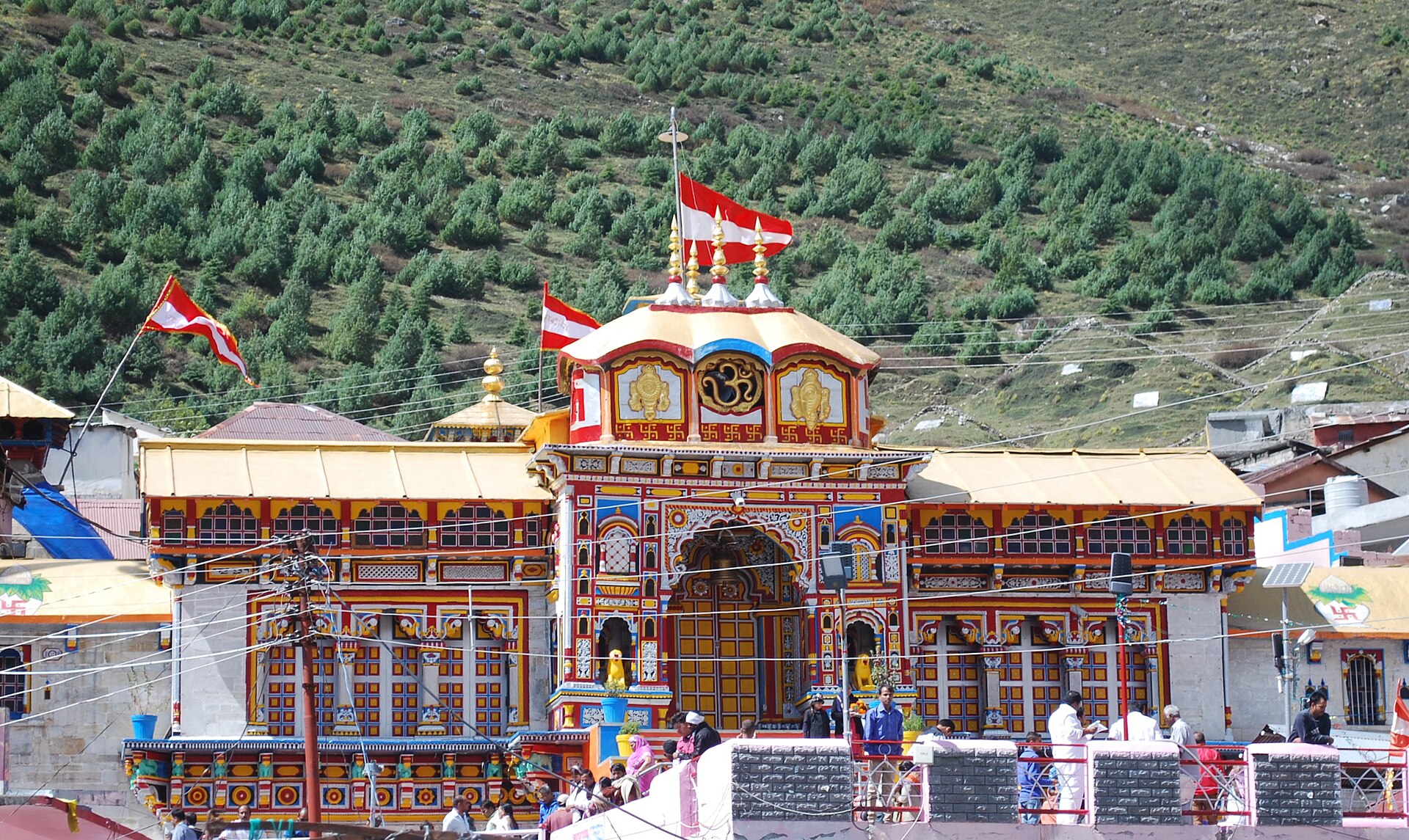
Badrinath is motorable, it has a real bazaar, and it has hotels — which already puts it ahead of Kedarnath for a night's sleep. The catch is simple arithmetic: the town is small, the rooms are few, and in the two busy windows far more pilgrims arrive than there are beds. Where you stay, and how early you book it, decides whether your darshan is relaxed or a scramble.
The areas, and what each is like
Badrinath sits on both banks of the Alaknanda, with the temple on the far side of the river from the main road. The practical choice comes down to three pockets.
Near Badrish Lake and Mana Road
The town-side stretch along Mana Road, by Badrish Lake, is where most of the proper hotels are — the ones with heating, parking, hot water and a restaurant. It is a walk of a few minutes to a quarter of an hour to the temple footbridge, and it is the part of town to aim for if you want a comfortable base. The hotels we list in Badrinath are on this side.
By the bus stand
Handy if you are arriving late or leaving before dawn, and usually a little cheaper, but busier and noisier. Fine for one night, less so if you are staying two.
Across the footbridge, by the temple
The lanes closest to the shrine are mostly dharamshalas and small guesthouses rather than hotels. They are the shortest walk to the first aarti, but plain — little heating, shared arrangements in many, and they fill first. Pilgrims who want to be at the temple steps at opening choose these; most other travellers sleep on the town side and walk over.
Why you book before you fix the dates
This is the one thing to plan around. Badrinath's room stock does not grow for the season, but demand multiplies in late spring and again after the monsoon clears. People arrive expecting to find something on the day and end up driving back down to Joshimath at night. Decide your dates, then hold a room the same week — not the week you travel. Check what is available in Badrinath as soon as the plan is firm.
Joshimath is the honest fallback
If Badrinath is full, Joshimath — about 45 km down the valley and the winter seat of Badrinath's worship — is the fallback that always works. It has far more rooms, you sleep lower and warmer, and an early start still gets you to the temple for a morning darshan. Treat it as the sensible plan B, not the emergency one.
What the rooms are actually like
Badrinath is a high Himalayan pilgrim town, not a hill station, so set expectations accordingly. A good room here means a clean bed, reliable hot water, a heater or thick quilts, and a vegetarian kitchen — not a view deck or a spa. Nights are cold in every open month, so heating and hot water matter more than anything else on the list. Families and older pilgrims should ask for a lower floor; the town sits above 3,100 m and stairs tell at that altitude.
Fit it into the trip
Badrinath is the last of the four shrines on the Char Dham route, and it pairs naturally with the Valley of Flowers and Hemkund leg from Govindghat just below. For the town itself — Tapt Kund, Mana village, the best time to visit and how to reach it — the Badrinath destination guide and the Badrinath temple travel guide cover it in full.
Booking the yatra? See Char Dham Yatra hotels, stop by stop.
Where to stay on this route
- Hotel Divine GangaBadrinathfrom ₹5,200
Send us your dates
Before you go
- Book a Badrinath room the week your dates are fixed, not the week you travel — the town sells out in peak windows.
- Aim for the town side by Badrish Lake and Mana Road for heating, parking and hot water; the temple-side lanes are dharamshalas.
- Keep Joshimath as the fallback — more rooms, lower and warmer, and still an early darshan.
- Ask for a lower floor if travelling with elders; the town is above 3,100 m.
Good to know
- The temple sits across the Alaknanda from the main road; most hotels are on the town side and reach it by the footbridge.
- Badrinath's deity winters at Joshimath, which is why Joshimath works as the fallback base.
- Tapt Kund, the hot spring below the temple steps, is where pilgrims bathe before darshan.
Frequently asked questions
Where is the best area to stay in Badrinath?
The town side along Mana Road and Badrish Lake, where the hotels with heating, parking and hot water are, a few minutes' to a quarter-hour walk from the temple footbridge.
Do hotels in Badrinath get fully booked?
Yes. In the late-spring and post-monsoon windows demand far exceeds the town's small room stock. Book as soon as your dates are fixed, and keep Joshimath as a fallback.
Can I stay right next to Badrinath Temple?
The lanes closest to the shrine are mostly dharamshalas and small guesthouses, not hotels. Most travellers stay on the town side and walk across the footbridge for darshan.
Where should I stay if Badrinath is full?
Joshimath, about 45 km down the valley, has many more rooms and is lower and warmer; an early start still reaches Badrinath for a morning darshan.
About the author
Pulp Hotels Team
The Pulp Hotels Team is the desk that runs Pulp Hotels and the verified properties on this route — Barkot, Uttarkashi, Harsil, Guptkashi, Joshimath, Badrinath and the Kedarnath valley. We deal with the owners of those hotels, and with the pilgrims staying in them, through every day of the season, and these guides are written and corrected from that work and from the official notices each season brings. Fares and opening dates change every year, so we leave them out on purpose and point you at the source instead.
Related guides
- Char Dham Yatra Registration: How It Works and Where It Is Checked
Registration is compulsory, free, and the single most common reason pilgrims get turned back at a checkpost. Here is exactly how it works.
- Char Dham Opening and Closing Dates: How They Are Decided
Char Dham closing dates 2026: Gangotri on 10 November, Kedarnath and Yamunotri on 11 November (Bhai Dooj), Badrinath mid-November. How each date is fixed.
- What a Char Dham Yatra Actually Costs, Line by Line
Where the money really goes on a ten-day yatra — transport, rooms, the helicopter, ponies and the costs nobody budgets for.
- The Best Time to Visit the Char Dham, Month by Month
May crowds, June heat in the plains, the monsoon shutdown and why October is the season's quiet secret.
- Do Dham Yatra: Kedarnath and Badrinath Without the Other Two
Do Dham Yatra for Kedarnath and Badrinath in six or seven days: the route, where to sleep, registration and when to go, from Haridwar or Rishikesh.
- A 10-Day Char Dham Itinerary, Written Around Where You Sleep
Ten days, nine nights, four shrines — planned backwards from the beds rather than forwards from the temples, which is why it holds together.