
Mussoorie Weather Month by Month: Snowfall, the Winter Line and the Best Time to Go
Mussoorie weather through the year: cool summers, the monsoon, the clear autumn of the winter line, and when snow falls in Landour, with the best months to go.
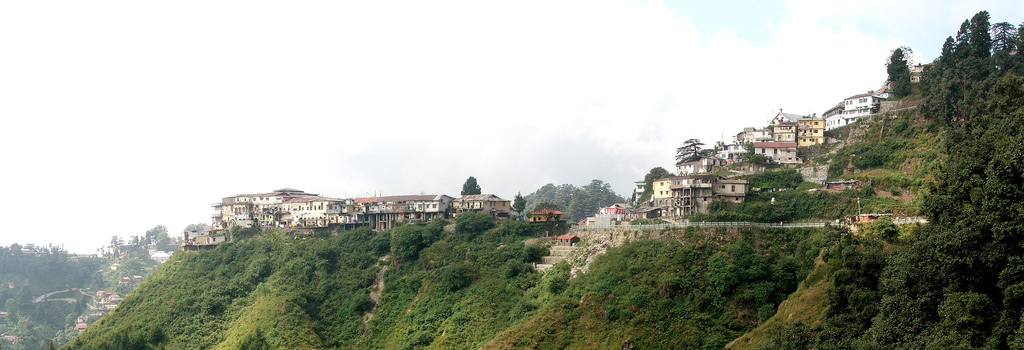
Mussoorie stands at roughly 2,000 metres, and that height is everything: when the plains below are baking, the Mall is cool enough for a jacket in the evening, and in a good winter the higher parts of town see snow. But the hill also has a long monsoon and foggy days, and the town is at its most crowded exactly when the weather is best. Here is how the year works, so you can pick the season for what you want to see.
Mussoorie weather at a glance
| Months | Daytime, roughly | What it is like |
|---|---|---|
| March to June | Around 15 to 25°C | Pleasant days, cool nights; the busiest season |
| July to September | Cool and damp | Heavy rain, cloud on the ridge, landslide risk |
| October to November | Crisp, around 10 to 20°C | Clear skies, the winter line, long views |
| December to February | Cold, near freezing at night | Clear cold days, a chance of snow |
These are typical ranges, not a forecast. For your dates, check the India Meteorological Department's forecast for Dehradun district a few days out.
When does it snow in Mussoorie?
Snow in Mussoorie is never guaranteed. In most winters there are a few snowy days between late December and February, usually when a western disturbance brings two or three days of cloud and cold. The higher parts of town, Landour, Lal Tibba and Char Dukan, see snow first and keep it longest; the Mall may get a light dusting that melts by noon. Dhanaulti, about 24 km away and a little higher, gets more. Watch the forecast, keep your dates flexible by a day or two, and drive up the morning after a fall rather than during it. Our snowfall in Uttarakhand guide covers the surer places.
The winter line
From October to January, on clear evenings just after sunset, a thin band of colour often lies along the horizon over the Doon valley: the winter line, a layer of haze and cooled air lit from below. It is one of the few places where it shows so clearly. Watch from a west-facing point on the ridge, such as the Library end of the Mall or Lal Tibba, in the last half hour of light. Mussoorie's Winterline Carnival is named after it; see our Christmas, New Year and Winterline guide.
Summer: the busy season
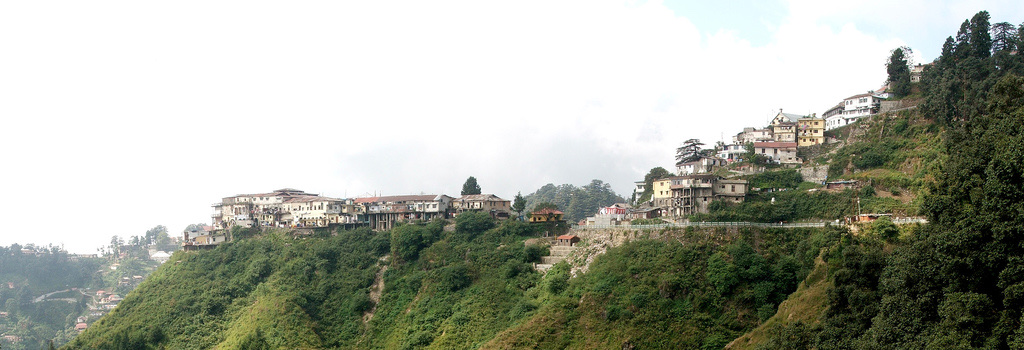
From late March to June, Mussoorie is the cool retreat it was built to be, and families from the plains fill it, especially on weekends and in the school holidays of May and June. Days are pleasant, nights call for a light sweater. Book early, expect slow traffic on the hill road and the Kempty Falls road, and walk the Mall in the morning before the crowds.
The monsoon
July and August are the wettest months. Cloud often sits on the ridge, views disappear for days, and landslides can block the roads to Dehradun, Kempty and Dhanaulti. The hills are lush and the town quiet, which some visitors love; if you come, carry rain gear and keep a spare day.
Autumn: the best time to visit
October and November are the clearest months. The rains have washed the air, the Himalayan peaks show from Lal Tibba and Gun Hill, and the winter line appears in the evenings. The crowds are thinner than in summer except over Diwali weekends. For views, this is the season to choose.
What to pack and where to stay
Pack layers in every season: even summer nights are cool. In winter bring a heavy jacket, gloves and shoes with grip; ask whether your room is heated. Stay near the Library end for the winter line and the western side, or in Landour for the best chance of snow outside your window. Our hotels in Mussoorie page compares the areas, and hotels in Dehradun are an hour and a half below when the hill is full.
Where to stay on this route
- Bulaakh White FlowerMussoorieRates on request
- White Flower MussoorieMussoorieRates on request
- Shivoham RetreatDehradunfrom ₹3,500
- Hotel Doon RegencyDehradunRates on request
Send us your dates
Before you go
- Snow is never guaranteed; keep your dates flexible by a day or two.
- Drive up the morning after a snowfall, not during it.
- Watch for the winter line in the last half hour of light, October to January.
- Carry layers in every season; nights are cool even in summer.
Good to know
- Mussoorie stands at roughly 2,000 metres above sea level.
- Landour, the highest part of town, sees snow first and keeps it longest.
- The winter line is seen over the Doon valley on clear evenings from October to January.
- Dhanaulti, about 24 km away, usually gets more snow than Mussoorie.
Frequently asked questions
When does it snow in Mussoorie?
In most winters there are a few snowy days between late December and February. Landour and the higher parts of town get the most; it is never guaranteed.
What is the best time to visit Mussoorie?
October and November for clear views and the winter line; March to June for pleasant weather, though it is the busiest season.
When can I see the winter line in Mussoorie?
On clear evenings from October to January, in the half hour after sunset, from a west-facing point such as the Library end or Lal Tibba.
Is it good to visit Mussoorie in the monsoon?
July and August are very wet, with cloud and landslide risk on the roads. The town is quiet and green, but keep a spare day.
How cold is Mussoorie in December?
Days are cold and clear, and nights can drop to around freezing. Bring a heavy jacket and ask whether your room is heated.
About the author
Pulp Hotels Team
The Pulp Hotels Team is the desk that runs Pulp Hotels and the verified properties on this route — Barkot, Uttarkashi, Harsil, Guptkashi, Joshimath, Badrinath and the Kedarnath valley. We deal with the owners of those hotels, and with the pilgrims staying in them, through every day of the season, and these guides are written and corrected from that work and from the official notices each season brings. Fares and opening dates change every year, so we leave them out on purpose and point you at the source instead.
Related guides
- Mussoorie from Dehradun: A Two-Day Plan, Landour and the Road to Yamunotri
How to get up to Mussoorie from Dehradun, what to see in two days — Mall Road, Landour, Kempty Falls — how to avoid the weekend traffic, and why Mussoorie is also a way into the Yamunotri valley.
- Christmas and New Year in Mussoorie: The Winterline Carnival, Snow and Where to Stay
What happens in Mussoorie between Christmas and New Year — the Winterline Carnival on the Mall, the winter line at sunset, the chance of snow — and how to plan around the traffic and book the right room.
- Kedarkantha Trek: The Winter Snow Trek from Sankri, Day by Day
Kedarkantha trek guide: getting to Sankri from Dehradun, the route via Juda ka Talab, the summit at about 3,800 m, the snow season, fitness and what to pack.
- Nag Tibba Trek: A Weekend Climb from Pantwari, near Mussoorie
Nag Tibba trek guide: reaching Pantwari from Dehradun and Mussoorie, the two-day route to the 3,022 m summit, winter snow, what to carry and where to stay.
- Dehradun Airport to Rishikesh, Haridwar and Mussoorie: Distances and Transfers
Jolly Grant, Dehradun's airport, to Rishikesh, Haridwar, Dehradun city and Mussoorie: how far each is, how long the drive takes and the best way to get there.
- Places to Visit in Dehradun: A Day or Two in the Doon Valley
Places to visit in Dehradun: Robber's Cave, Sahastradhara, the Forest Research Institute, Tapkeshwar, Mindrolling and Rajpur Road, and how to fit them in.